Table of contents
Utensils: Chopsticks in dominant hand, spoon in the other
First step: Taste the broth plain before adding condiments
Herbs/sprouts: Add gradually, not all at once
Slurping: Normal and acceptable
Hoisin/sriracha: Common in the South/diaspora; often skipped entirely in traditional Hanoi-style pho
Finishing: Lift the bowl to drink the remaining broth directly
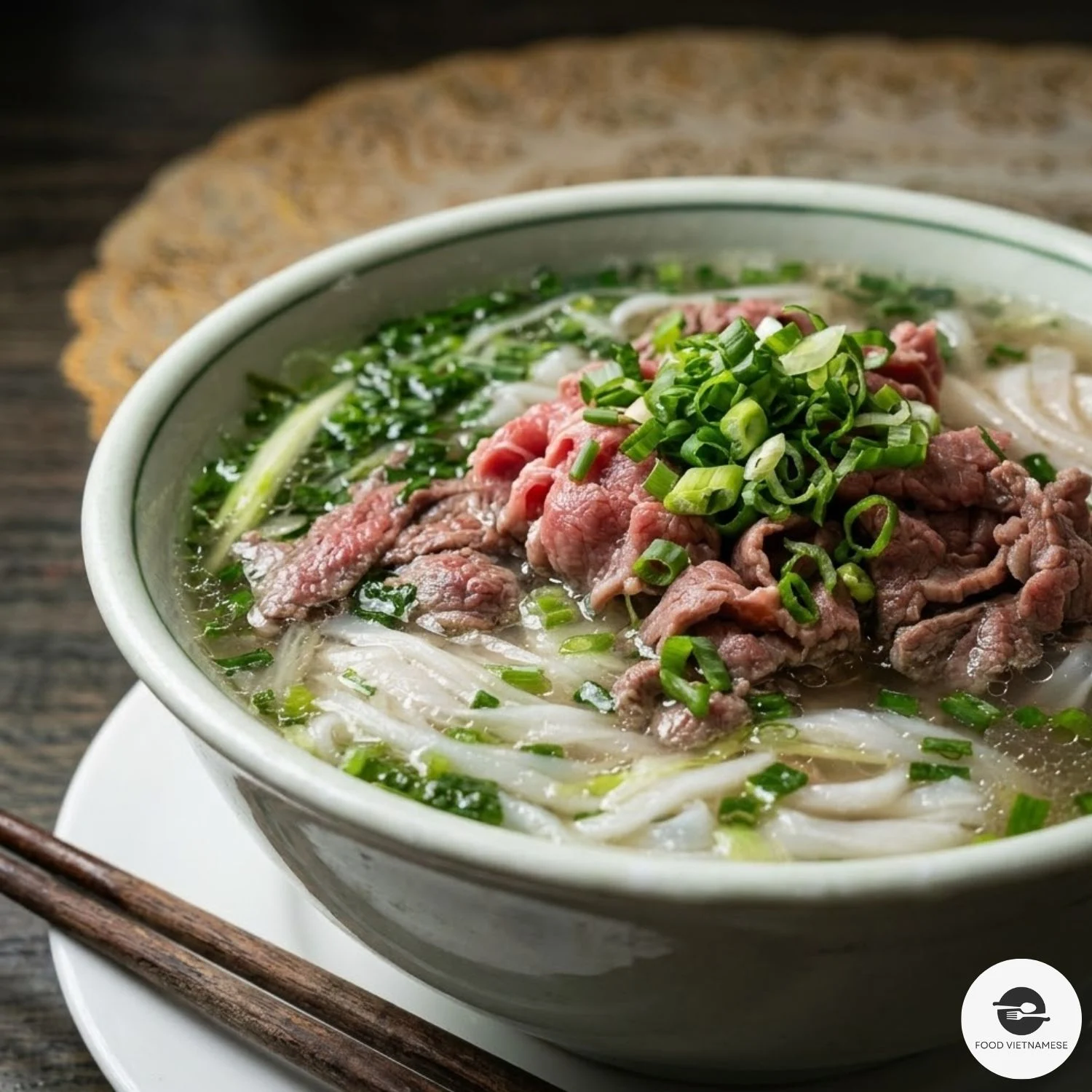
Most guides to eating pho jump straight to “add hoisin and sriracha,” which is exactly the kind of advice that would raise an eyebrow at a traditional Hanoi pho stall. There’s a real etiquette here, but it’s less about rigid rules and more about a specific order of operations designed to let you actually taste what the broth is doing before burying it under condiments. This covers how it’s genuinely done, including the parts that guides written for tourists tend to skip.
The Right Utensils and How to Hold Them
Pho is eaten with a pair of chopsticks and a wide, deep Asian soup spoon, never a fork alone. Hold the chopsticks in your dominant hand to lift noodles, meat, and herbs, and the spoon in your other hand to scoop broth and to catch anything that slips off the chopsticks on its way to your mouth. Many diners also give their chopsticks and spoon a quick wipe with a napkin before starting, a common habit at casual noodle stalls rather than a formal requirement.
The Correct Order: Taste First, Season Second
The biggest difference between how tourists and locals typically approach a bowl comes down to sequence. Locals generally taste a spoonful of the broth plain, straight from the bowl, before adding a single condiment. This isn’t fussiness — it’s the only way to actually judge whether the broth needs adjusting at all, and it’s also the moment that shows respect for whatever hours of work went into building that broth in the first place. Only after that first taste do most people start adding lime, chili, herbs, or sauces, adjusting gradually rather than dumping everything in at once.
The Hoisin and Sriracha Debate
This is worth being precise about, since a lot of English-language guides present hoisin and sriracha as standard without noting how contested they actually are. In much of southern Vietnam and among the Vietnamese diaspora abroad, hoisin sauce and sriracha sitting in small dishes at the table is completely normal, dipped into or added in small amounts to sweeten and add heat to the broth. In Hanoi and much of northern Vietnam, however, traditional pho is often served without either sauce at the table at all — the broth is built to be balanced on its own, and adding a sweet, thick sauce is seen by many purists as covering up rather than complementing the work that went into it.
Neither approach is objectively “correct” — they reflect a genuine regional difference in how pho developed, not a right and wrong way to eat. If you’re served pho without hoisin or sriracha on the table, that’s not an oversight; it’s likely the kitchen’s intentional choice about how the dish should be experienced.
Adding Herbs and Bean Sprouts the Right Way
Fresh herbs (commonly Thai basil and cilantro) and bean sprouts arrive on a separate plate specifically so you can control how much goes in and when. Adding the full plate all at once cools the broth quickly and can overwhelm its flavor; adding a small handful at a time, tasting as you go, keeps the bean sprouts crisp longer and lets you find your own balance. Tearing basil leaves by hand rather than dropping them in whole releases more aroma into the bowl.
Is Slurping Rude?
No — slurping noodles and broth is normal and widely accepted in Vietnamese noodle culture, the same way it’s accepted across much of East and Southeast Asia. A little noise while eating hot noodles isn’t considered impolite; it’s simply how the dish is eaten quickly while it’s still hot. That said, most people still moderate how much broth ends up splashed on the table or on dining companions — enthusiasm is fine, mess is not particularly celebrated either.
How to Finish the Bowl
Once the noodles and toppings are gone, it’s common and accepted to lift the bowl with both hands and drink the remaining broth directly, rather than leaving it behind. When you’re finished, resting the chopsticks across the top of the bowl, bridge-style, is a familiar Vietnamese custom signaling you’re done — worth knowing since it’s the opposite of Japanese dining etiquette, where resting chopsticks across a bowl is generally avoided.
I’ve watched foreign visitors at a stall near Bến Thành Market apologize for slurping, clearly worried it was rude, and I always tell them the same thing: the sound is part of how the dish is meant to be eaten, not a lapse in manners. What actually gets a raised eyebrow from an old pho vendor isn’t noise — it’s someone drowning a carefully built broth in hoisin before even tasting it once. That’s the etiquette that actually matters here, and it has nothing to do with how loud you eat.
Kelly Thuy — street food notes, Saigon
Frequently Asked Questions
Traditionally, pho is eaten with chopsticks for the noodles, meat, and herbs, and a spoon for the broth — used together in each hand rather than a fork alone. Most restaurants will provide a fork on request if preferred.
Not rude, but it varies by region and tradition. Hoisin and sriracha are common additions in southern Vietnam and among the diaspora, while traditional Hanoi-style pho is often served and eaten without either, since the broth is meant to be balanced on its own.
Yes — tasting the broth plain first is standard practice among locals, both to judge the broth’s flavor and to decide what, if anything, it actually needs before adding lime, herbs, or sauces.
Yes, this is the normal way to finish a bowl once the solid ingredients are gone — lifting the bowl with both hands to drink the remaining broth directly is standard practice, not considered impolite.

Related articles
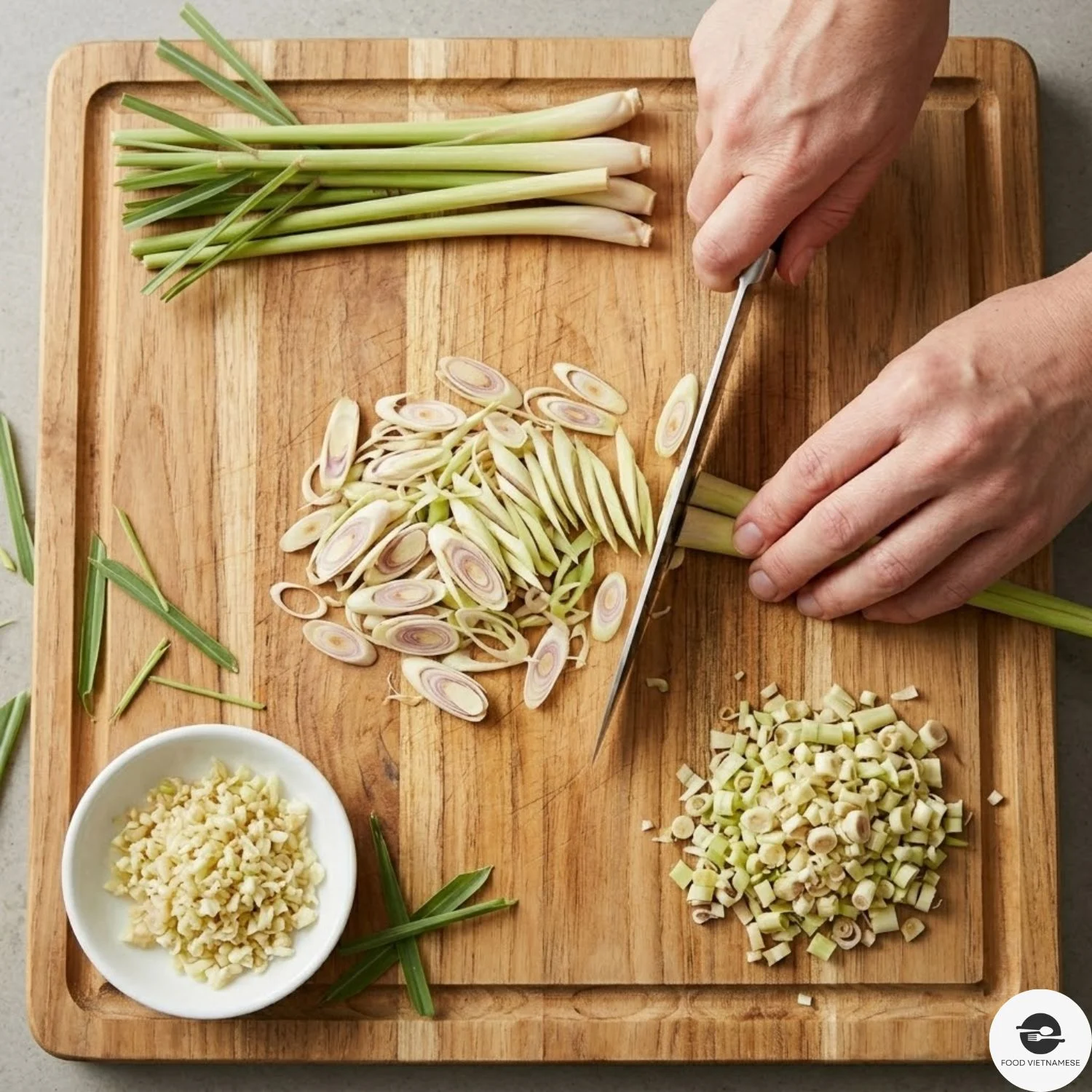
How to Cut Lemongrass: 4 Techniques for Every Recipe (Mince, Slice, Bruise, Julienne)
How you cut lemongrass depends entirely on what you’re cooking. Mince it finely for marinades and dipping sauces…
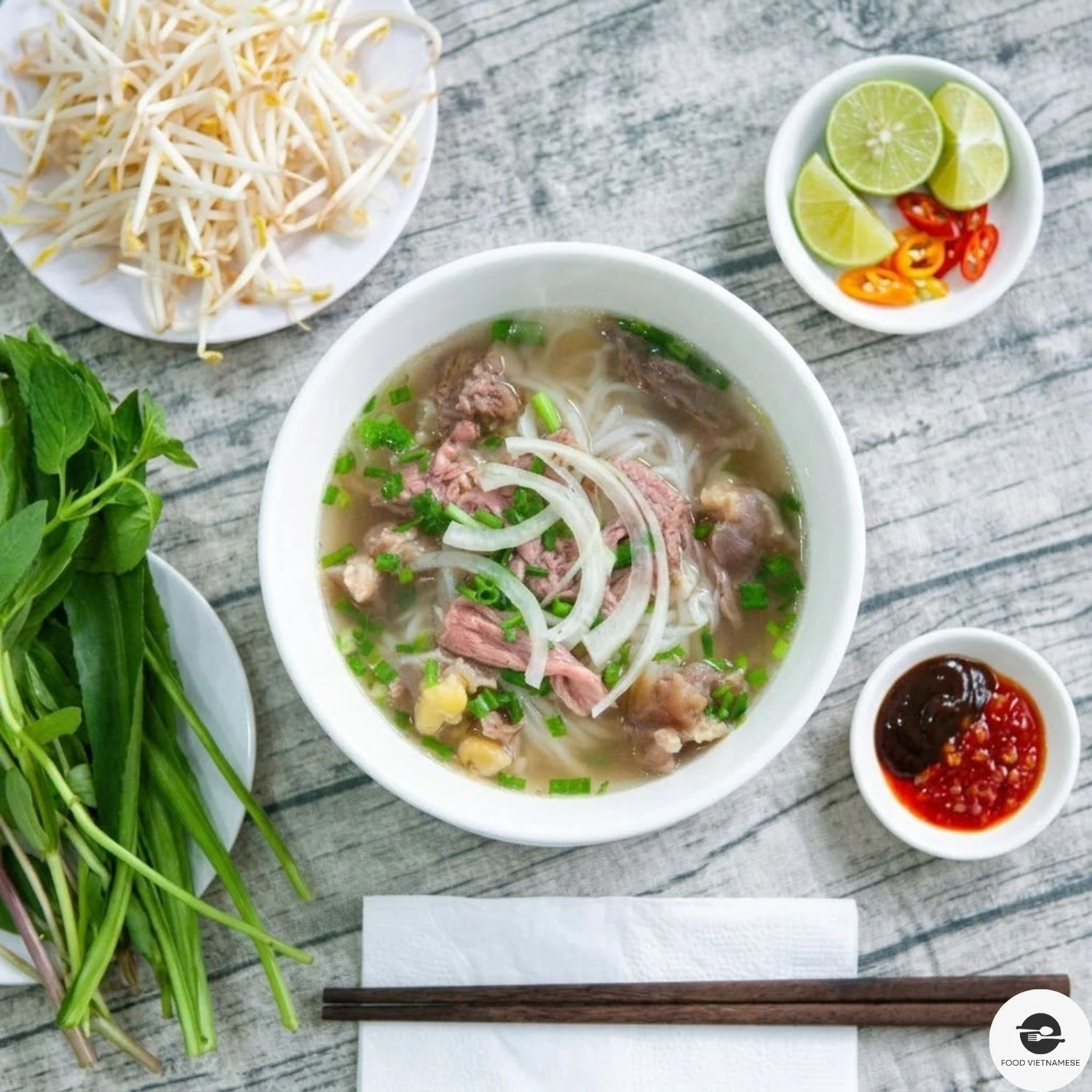
How to Reheat Pho the Right Way (Broth, Noodles & Toppings, Separately)
The key to reheating pho well is never reheating it as one combined bowl. Heat the broth on…
Why Is My Pho Broth Cloudy? The 4 Real Causes (And How to Fix Each One)
Cloudy pho broth almost always comes from one of four things: boiling instead of gently simmering, skipping the…