Table of contents
- A Name That Describes Exactly What You’ll See
- Ingredients (Makes About 20-25 Dumplings)
- The Two Steps That Actually Determine the Texture
- Bánh Bột Lọc Gói vs. Bánh Bột Lọc Trần
- How to Eat Banh Bot Loc
- Storage Notes
- The Moment It Turns Clear
- Another Delicate Hue Specialty
- Banh Bot Loc Calories and Nutrition
- Frequently Asked Questions
- Sources & References
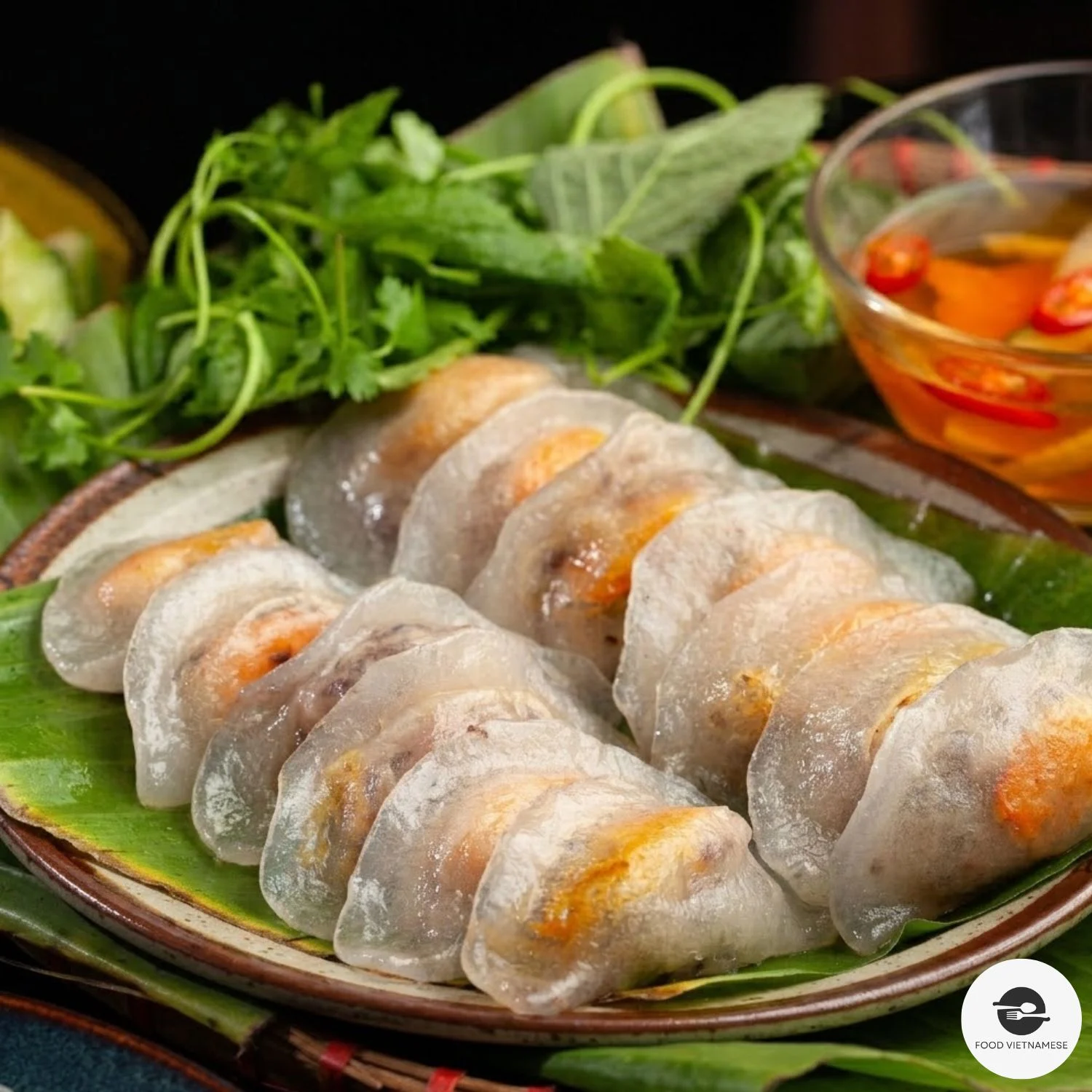
Banh Bot Loc is a Vietnamese tapioca dumpling from Hue — a chewy, glass-clear tapioca starch dough wrapped around seasoned shrimp and pork belly, then boiled or steamed until the skin turns fully translucent, revealing the pink and red filling suspended inside like something set in amber. The name is almost a literal description of the finished dish: “bột” means flour, “lọc” means filtered or clear, together forming something close to “clear flour cake.” Getting that clarity right — along with the springy, never-tough chew the dish is known for — comes down to two specific technique details that most recipes only half-explain.
A Name That Describes Exactly What You’ll See
Unlike many Vietnamese dish names built on sound, metaphor, or regional dialect, Banh Bot Loc’s name is refreshingly literal. “Bột” is the general Vietnamese word for flour or starch; “lọc” means to filter or strain, and by extension, clear. Put together, the name essentially announces the dish’s defining visual trait before you’ve even seen it: a dumpling skin so clear you can see straight through to the filling.
The dish traces to Hue, Vietnam’s former imperial capital under the Nguyễn dynasty, where court cooks are said to have specialized in small, delicate, visually refined dishes fit for royal presentation. Banh Bot Loc fits that lineage closely — a labor-intensive, individually wrapped snack built more around craftsmanship and appearance than around bulk or heartiness, in keeping with the same aesthetic sensibility that shaped Hue’s broader culinary reputation.
Ingredients (Makes About 20-25 Dumplings)
| Ingredient | Amount | Notes |
|---|---|---|
| Tapioca starch | 300g | The entire dough — no rice flour or other starch is mixed in. Quality matters here; some cooks report noticeably different results between tapioca starch brands |
| Boiling water | Approx. 200-250ml | Must be actively boiling when added to the starch, not just hot — this is the single most important detail in the entire recipe |
| Salt, sugar, oil | A pinch each | Mixed into the starch before the water is added |
| Shrimp | 200g, peeled | Sliced or left whole depending on dumpling size; small to medium shrimp work best |
| Pork belly | 150-200g | Diced small, with a good ratio of fat to lean for flavor |
| Shallots, garlic, fish sauce | To season | Used to marinate and cook the shrimp-pork filling before it goes into the dough |
| Annatto oil or paprika | Optional | Traditional color additive for the filling; paprika is a common substitute outside Vietnam |
| Fried shallots, scallion oil | For garnish | Scattered over the finished dumplings |
| Fish sauce dipping sauce | For serving | Sweetened and lightly diluted, often with chili |
The Two Steps That Actually Determine the Texture
Everything about whether the dumpling ends up chewy and clear, or dense and cloudy, comes down to temperature — twice.
The first moment is when the water meets the starch. It has to be genuinely boiling, poured in gradually while the starch is stirred or kneaded continuously. The heat causes partial gelatinization on contact — some of the starch molecules begin absorbing water and swelling immediately, which is what eventually gives the cooked dough its stretchy, elastic quality. Warm water, or water that’s cooled even slightly off the boil, doesn’t trigger the same reaction strongly enough, and the resulting dough tends to stay drier and more crumbly no matter how much it’s kneaded afterward.
The second moment comes after cooking. As soon as the dumplings are done — boiled until they float, typically 6-8 minutes, or steamed 15-20 minutes if wrapped in banana leaf — they need to go directly into a bowl of ice-cold water. This rapid cooling is what actually locks in the glassy, see-through finish. Skip this step, or let the dumplings cool gradually on a plate at room temperature, and the skin sets duller and slightly opaque instead of clear. If dumplings still come out cloudy despite following both steps, the most common culprits are an inconsistent tapioca starch brand or slightly too much water in the dough — both are worth adjusting on a second attempt.
Bánh Bột Lọc Gói vs. Bánh Bột Lọc Trần
The dish comes in two everyday formats, and the difference is entirely about presentation and process rather than flavor.
| Feature | Bánh Bột Lọc Gói (“Wrapped”) | Bánh Bột Lọc Trần (“Bare”) |
|---|---|---|
| Preparation | Filled dough wrapped in banana leaf, then steamed | Filled dough boiled directly in water, no wrapping |
| Cooking time | 15-20 minutes steamed | 6-8 minutes boiled |
| Appearance | Hidden inside the leaf until unwrapped; firmer, more compact shape | Fully visible and translucent from the moment it’s plated |
| Aroma | Subtle banana leaf fragrance infused during steaming | No added aroma from wrapping |
| Effort | More labor-intensive — wrapping each dumpling individually | Faster, more common for casual home cooking and street snacking |
How to Eat Banh Bot Loc
The dumplings are eaten warm, typically by hand or with chopsticks, dipped into a lightly sweetened fish sauce with chili. Wrapped versions get unwrapped from the banana leaf right at the table, part of the appeal being the small reveal of what’s inside. A scattering of fried shallots and a drizzle of scallion oil are standard finishing touches that add crunch and aroma against the smooth, chewy dough.
Storage Notes
- Best eaten fresh: The tapioca skin’s ideal chewy texture holds up best within a few hours of cooking
- Refrigerator: Cooked dumplings keep about 1-2 days; texture firms up somewhat over time
- Reheating: A brief steam or a quick dip back into boiling water helps restore some softness, though it won’t fully match fresh-made
- Freezer: Uncooked, wrapped dumplings freeze well and can be boiled directly from frozen, adding a couple extra minutes to the cook time
The Moment It Turns Clear
A woman selling banh bot loc from a small stand near An Cuu market let me watch her drop a fresh batch into boiling water, and she counted the timing not in minutes but by watching for a specific moment — the dumplings sinking, then slowly rising back to the surface. The instant they floated, she scooped the whole batch straight into a basin of ice water sitting right next to the pot, no pause in between. I asked why the timing of that transfer mattered so much. She said if you wait even a minute, the clear color “gets lazy” — her words, not a direct translation of any technical explanation, but watching the dumplings that came out murky in a batch she deliberately let sit too long, I understood exactly what she meant.
Banh Bot Loc Calories and Nutrition
| Serving | Calories |
|---|---|
| 1 standard plate (several dumplings with sauce and toppings) | ~487 kcal |
Source: FoodVietnamese.com nutrition database. Because the wrapper is made almost entirely of tapioca starch, Banh Bot Loc is naturally gluten-free, though it’s relatively carbohydrate-dense compared to more protein-forward Vietnamese dishes — worth keeping in mind for anyone tracking macronutrient balance rather than calories alone.
Frequently Asked Questions
What is Banh Bot Loc?
A Vietnamese tapioca dumpling from Hue with a chewy, translucent skin wrapped around shrimp and pork belly filling, boiled or steamed. The name means “clear flour cake,” describing the see-through skin.
How do you get the dumpling skin translucent and chewy instead of tough or opaque?
Use genuinely boiling water when mixing the tapioca starch, and plunge the cooked dumplings into ice-cold water immediately. Skipping either step results in duller, less chewy dumplings.
What is the difference between Banh Bot Loc Goi and Banh Bot Loc Tran?
Goi is wrapped in banana leaf and steamed, giving subtle fragrance and a firmer shape. Tran is boiled without wrapping, fully see-through and faster to make.
How long does Banh Bot Loc last, and can it be stored?
Best eaten fresh within a few hours. Refrigerated cooked dumplings keep 1-2 days. Uncooked wrapped dumplings freeze well and can be boiled directly from frozen.
How many calories are in Banh Bot Loc?
Approximately 487 kcal for a standard plate with sauce and toppings. Naturally gluten-free but relatively carbohydrate-dense.
Sources & References
- 196 Flavors – Bánh Bột Lọc – Traditional Vietnamese Recipe. 196flavors.com
- Wok and Kin – Bánh Bôt Loc (Vietnamese Shrimp and Pork Dumplings). wokandkin.com
- Myriad Recipes – Bánh Bột Lọc (Vietnamese Shrimp Dumplings), translucency technique. myriadrecipes.com
- La Vie Partagée – Bánh Bột Lọc / Hue’s Tapioca Dumplings. laviepartagee.com
- Cookpad (Vương Châu Giai Kỳ) – Hue Style Banh Bot Loc. cookpad.com
- RunAwayRice – Clear Shrimp and Pork Dumplings (Banh Bot Loc Tran). runawayrice.com
- The Feedfeed – Square Vietnamese Tapioca Dumplings (Banh Bot Loc). thefeedfeed.com

Related articles
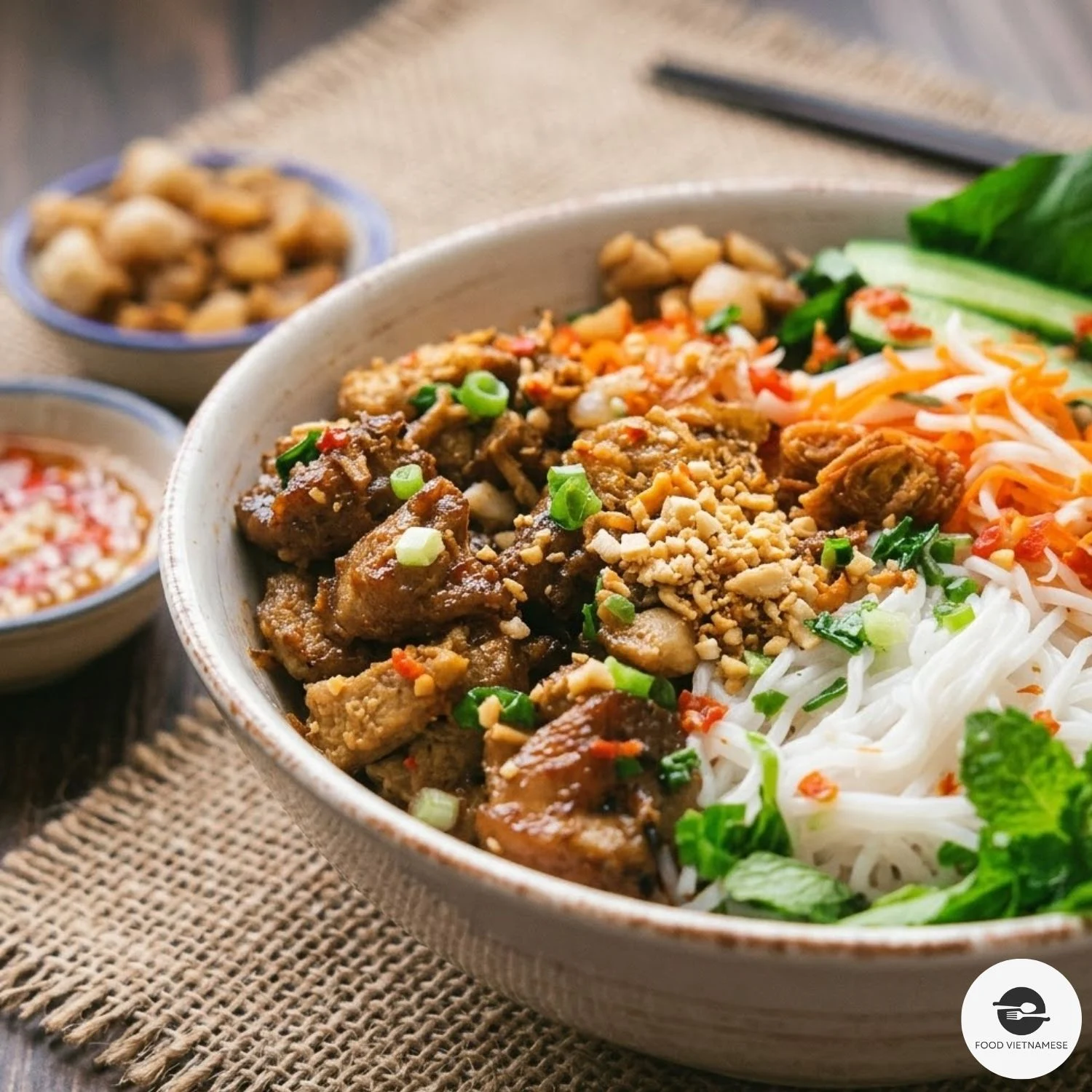
Bun Thit Nuong: Vietnam’s Grilled Pork Noodle Salad, Not a Soup
Bun Thit Nuong is a Vietnamese grilled pork noodle salad — cold rice vermicelli piled with lemongrass-marinated grilled…
Best Vietnam Food: 15 Must-Try Dishes
Best Vietnam food is defined by one core principle: maximum flavor from the freshest possible ingredients. Vietnamese cuisine balances…
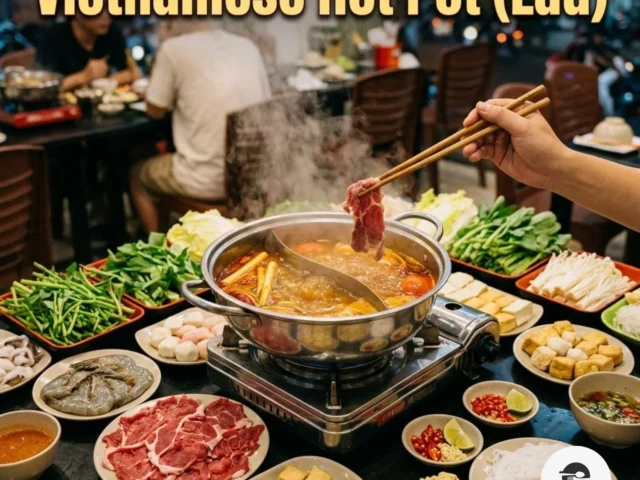
Vietnamese Hot Pot (Lẩu): Types, How to Eat, Dipping Sauces
Vietnamese hot pot (lẩu) is a pot of seasoned broth kept simmering at the table, where diners cook…