Table of contents
- What Is Song Cau Grilled Chicken?
- “Ga Chi” — A Dining Experience Born in Song Cau
- Why It Has to Be a Young Bird With Yellow Feathers and Legs
- Ingredients and Preparation
- The Dipping Salts — What Guests Remember Most
- Flavour and Texture Profile
- How to Eat It
- Where to Eat Song Cau Grilled Chicken
- Price Reference
- Nutritional Value
- Frequently Asked Questions
Walk into a “ga chi” restaurant in Song Cau, and the first thing you’re handed isn’t a menu — it’s a short walk to the backyard. The owner leads you to a fenced pen where a dozen or more chickens are scratching at the dirt. “Point at whichever one you like, we’ll catch it right away” — a line nearly every visitor to these restaurants hears at some point. No pre-cooked chicken sitting in a display case, no frozen bird waiting to be reheated — just the one you pointed at, and a plate of golden-grilled chicken arriving at your table some thirty minutes later.
What Is Song Cau Grilled Chicken?
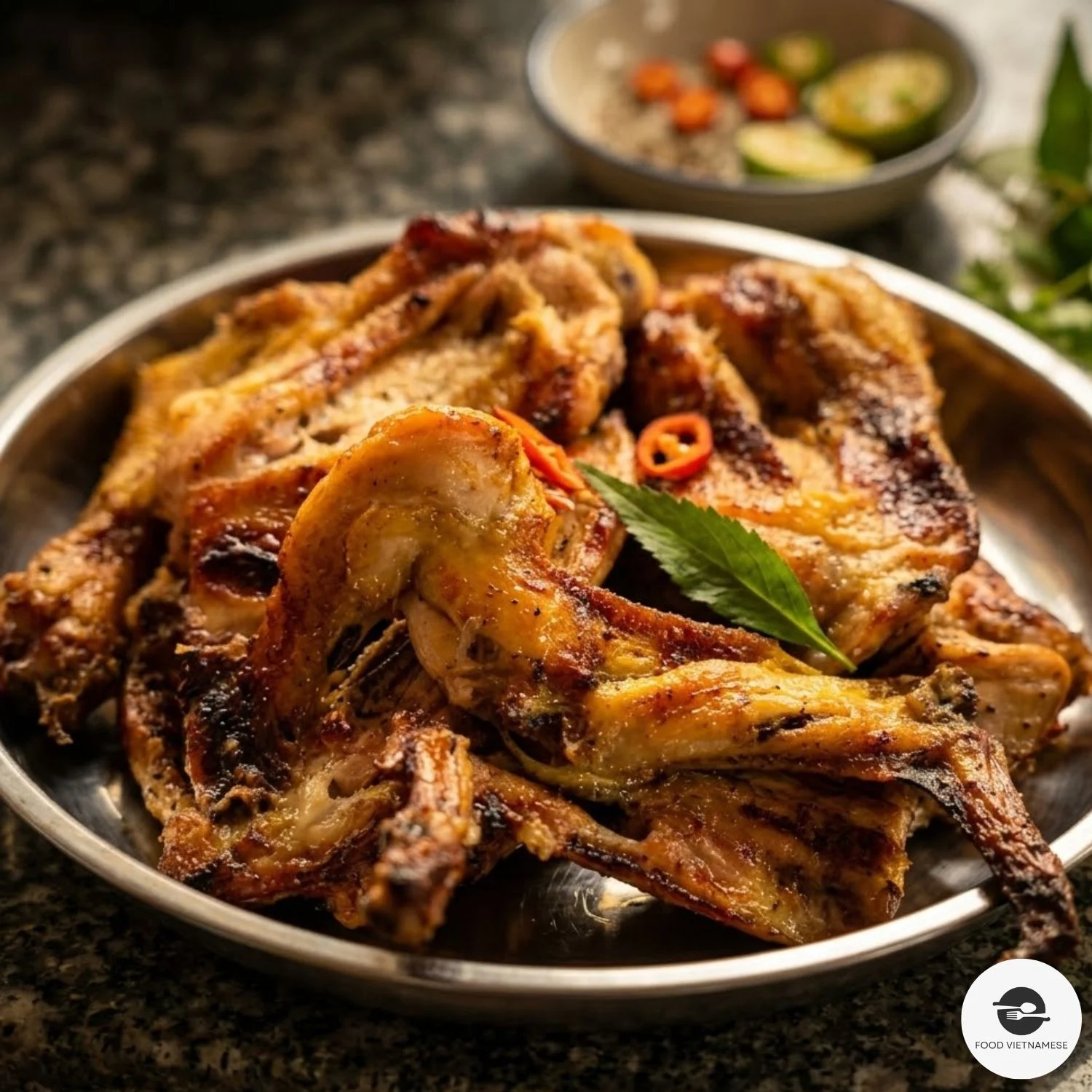
Ga nuong Song Cau is tied to the coastal town of Song Cau in Phu Yen province, an area known for household-scale free-range chicken farming. Unlike much of the pre-cooked grilled chicken sold in larger cities, Song Cau’s version puts freshness at the absolute centre of the experience: a chicken is only slaughtered once a customer has genuinely chosen it, ensuring the meat retains its full natural sweetness by the time it reaches the table.
| Quick Facts | Details |
|---|---|
| Vietnamese name | Gà nướng Sông Cầu |
| English name | Ga Nuong Song Cau – Phu Yen’s Point-and-Pick Grilled Free-Range Chicken |
| Region | South Central Coast (Duyên hải Nam Trung Bộ) – Song Cau town, Phu Yen province |
| Main ingredient | Free-range chicken (young bird, yellow feathers, yellow legs) |
| Signature dining model | “Ga chi” — customers select the chicken directly, prepared fresh on the spot |
| Grilling seasoning | Onion, garlic, pepper, chili, fish sauce; some shops add honey |
| Signature dipping salts | Pepper-lime salt, green chili salt, red chili salt, sweet-savoury sauce |
| Recognition | Vietnam Top 100 Typical Dishes (Vietnam Records Organization) |
“Ga Chi” — A Dining Experience Born in Song Cau
What sets Song Cau grilled chicken apart isn’t just flavour — it’s the service model itself. On entering the restaurant, the owner leads customers to the yard or chicken pen behind the house to personally choose the bird they like. All the chicken here is free-range, raised either by the restaurant owner or supplied by other local farmers in the area. The chicken must be young, with yellow feathers and yellow legs, since this type produces more meat and is more tender and sweeter than other varieties. If a customer doesn’t want to choose personally, staff will come to the table with suggestions. Once chosen, the restaurant prepares the bird right in front of the customer.
The “ga chi” model didn’t stay confined to Song Cau. Nearly two decades ago, restaurant owner Huu Lai brought this model to the Ghenh Rang area of Quy Nhon City, Binh Dinh — not far from Song Cau via National Highway 1D. From a single restaurant selling just one or two chickens a day at first, the model grew into nearly 20 “ga chi” restaurants along roughly 2km of road, drawing hundreds of customers on weekends. Even so, the chicken supplied to these restaurants largely still comes from Song Cau itself, which remains the true origin point of the model.
I – Kelly Thuy – once watched a restaurant owner in Song Cau lead a customer out to the yard, a small bamboo basket of rice grain still in his hand to draw the flock closer for a better look. He explained simply: “Chickens raised free-range like this get sick fast if you pen them up too long. So we only catch one once a customer’s chosen — we don’t keep any pre-slaughtered.” That single line captures the entire philosophy behind the “ga chi” model — freshness isn’t a marketing claim here, it’s the actual operating principle of the restaurant.
Why It Has to Be a Young Bird With Yellow Feathers and Legs
Not every free-range chicken makes the cut for good grilling. Based on experienced owners’ knowledge, the chicken must be young — not fully mature — with the clear identifying markers of yellow feathers and yellow legs. This type has more meat and is more tender and sweeter than other chickens of similar age.
Selecting chicken to this standard ensures the meat turns out fragrant and firm once grilled, in contrast to industrially farmed chicken, which tends to be both fattier and less naturally flavourful. The birds forage freely in the yard on rice, bran, greens and insects, and this natural movement contributes directly to the meat’s characteristic firmness.
Ingredients and Preparation
| Ingredient | Role |
|---|---|
| Free-range chicken (young bird) | Main ingredient — yellow feathers, yellow legs, freely foraging before selection |
| Onion, garlic | Base aromatics for the marinade |
| Pepper, chili | Mild heat and characteristic fragrance |
| Fish sauce | Provides deep savoury seasoning for the marinated chicken |
| Honey (some recipes) | Some shops add honey for a glossy golden skin and light sweetness |
| Pepper-lime salt, green/red chili salt | A varied dipping set, each offering a distinct flavour experience |
Once chosen, the chef often cuts the chicken into small sections — separately for wings, legs and so on — then mixes them with the spices, including onion, pepper, chili and garlic, along with fish sauce. After marinating, the chicken is grilled over wood embers until it takes on an appealing golden colour. Beyond grilling, “ga chi” restaurants typically offer several other preparations from the same bird: boiled, steamed, shredded salad, braised in fermented fish sauce, stir-fried with lemongrass and chili, cooked with bamboo shoots, or made into congee — depending on preference and party size.
The Dipping Salts — What Guests Remember Most
One of the details that leaves the deepest impression on first-time visitors is the elaborate range of dipping salts served alongside. Rather than a single dipping sauce, restaurants typically serve pepper-lime salt, salt with crushed green chili, salt with crushed red chili, along with a sweet-savoury sauce — letting each guest mix and match according to their own taste.
Some restaurants add thinly sliced lime leaf or honey/palm sugar to the salt, creating a balanced sour-spicy-salty-sweet profile that highlights the chicken’s natural sweetness rather than covering it up.
A common point of confusion worth clarifying: visitors researching Phu Yen cuisine sometimes come across the term “ga nuoc man Phu Yen” (Phu Yen salt-water chicken) and assume it’s another grilled chicken variety. In fact, this is a humorous local nickname for grilled boxfish (ca bo hom) — entirely unrelated to poultry, and specific to the Song Cau area’s seafood specialities.
Flavour and Texture Profile
| Layer | Description | Source |
|---|---|---|
| Golden, crisp skin | An appealing golden colour with a light crispness where it meets the charcoal directly | Charcoal grilling, sometimes finished with honey for extra shine |
| Firm, naturally sweet meat | Never mushy, never as fatty as industrial chicken — the sweetness comes from meat quality itself | Free-range chicken with natural movement |
| Aromatic onion-garlic-pepper base | Supports rather than overpowers the chicken’s own flavour | Onion, garlic and pepper in the marinade |
| Varied flavour from the dipping salts | Each salt offers something different — spicy, sour, salty or sweet, entirely up to the diner | The pepper-lime, green and red chili salt set |
How to Eat It
Song Cau grilled chicken is best eaten hot, straight off the grill, while the skin is still crisp and the meat retains its natural moisture. Diners typically try several of the different dipping salts to find their preferred combination — part of the experience many visitors remember long after leaving Song Cau. Many restaurants also serve chicken congee or sticky rice made from the boiling water and bones left over, making full use of the bird after the main dish is prepared.
Where to Eat Song Cau Grilled Chicken
In Song Cau, Phu Yen
- Ga Nuong Nam An — with two branches, one in the town centre and one in Xuan Canh — widely praised for rich, fragrant honey-marinated grilled chicken, consistent in quality at both locations.
- Several other “ga chi” restaurants operate throughout the town, offering the original point-and-pick experience.
Outside Song Cau
The “ga chi” model has also spread to the Ghenh Rang area of Quy Nhon City, Binh Dinh, via National Highway 1D, with Huu Lai restaurant credited as the pioneer in that area. Even so, most of the chicken served there is still supplied from Song Cau itself, which remains the true birthplace of the model.
Price Reference
Current reference prices, subject to chicken weight and restaurant.
| Order type | Approximate price | Notes |
|---|---|---|
| Whole grilled chicken (~1.2–1.5kg) | ~250,000–350,000 VND per bird | Varies with actual weight of the chosen chicken |
| Whole boiled chicken | ~200,000–280,000 VND per bird | Slightly cheaper, as no marinade preparation is needed |
| Additional chicken congee/sticky rice | ~20,000–40,000 VND per serving | Side dish using the leftover broth and bones |
Nutritional Value
Estimated based on free-range chicken composition — no independently published nutritional analysis exists specifically for Song Cau grilled chicken.
| Nutrient | Estimated value / 100g grilled chicken |
|---|---|
| Energy | ~190–230 kcal |
| Protein | ~25–28g |
| Total fat | ~8–13g (lower than industrially farmed chicken due to natural movement) |
| From free-range chicken | High-quality protein, less excess fat than penned poultry |
Frequently Asked Questions
What is Song Cau grilled chicken?
A Song Cau, Phu Yen specialty: free-range chicken customers personally select under the “ga chi” model, grilled over charcoal with onion, garlic, pepper, chili and fish sauce, served with a range of dipping salts. Vietnam Top 100 Typical Dishes.
What does “ga chi” mean?
A dining model where customers personally point to and choose their chicken from the pen, prepared fresh on the spot — guaranteeing maximum freshness. Originated in Song Cau, later spread to Quy Nhon via National Highway 1D.
Why must the chicken be young with yellow feathers and legs?
This type has more meat, is more tender and sweeter than other varieties — quite different from fattier, less flavourful industrially farmed chicken.
Is “Phu Yen salt-water chicken” an actual chicken dish?
No. It’s a humorous local nickname for grilled boxfish, unrelated to poultry.
Where’s the best place to eat it?
Ga Nuong Nam An in Song Cau (two branches) is well known for honey-marinated grilled chicken. Huu Lai restaurant in Ghenh Rang, Quy Nhon, is also frequently recommended.
Few Vietnamese specialties turn “placing an order” into a literal walk to the backyard, standing in front of a flock of chickens scratching freely at the dirt, and pointing at the one you want. That’s what sets Song Cau grilled chicken apart from any pre-cooked grilled chicken sold elsewhere — and exactly why the “ga chi” model has spread well beyond Phu Yen’s borders. That same respect for fresh, local ingredients runs along this stretch of the South Central Coast too, in Quang Ngai’s Tra River goby — another specialty defined entirely by the exact river and coastline it comes from.

Related articles
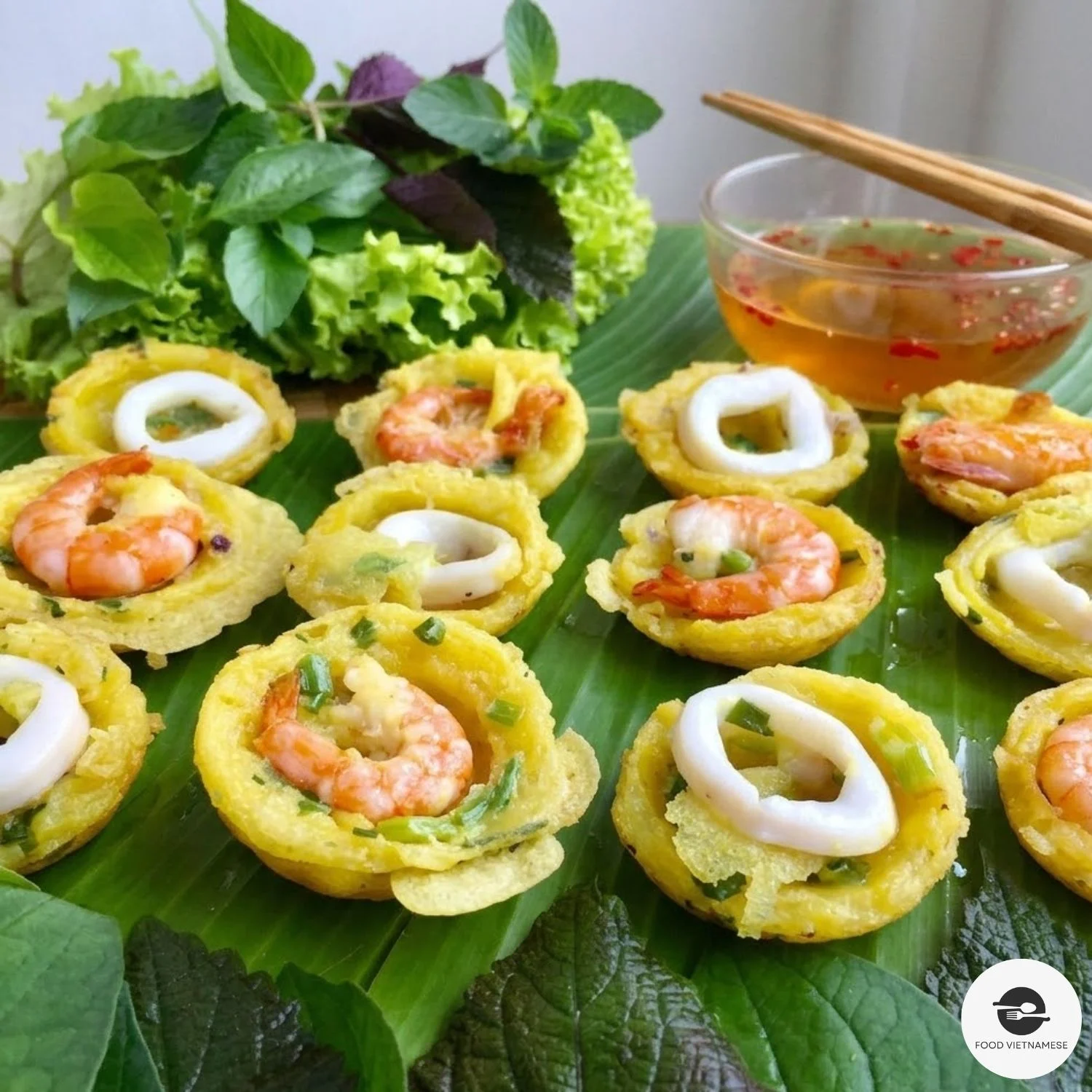
Banh Khot: Vung Tau’s Crispy-Edged Answer to Banh Xeo
Banh Khot is a Vietnamese mini savory pancake from the coastal city of Vung Tau — a rice…
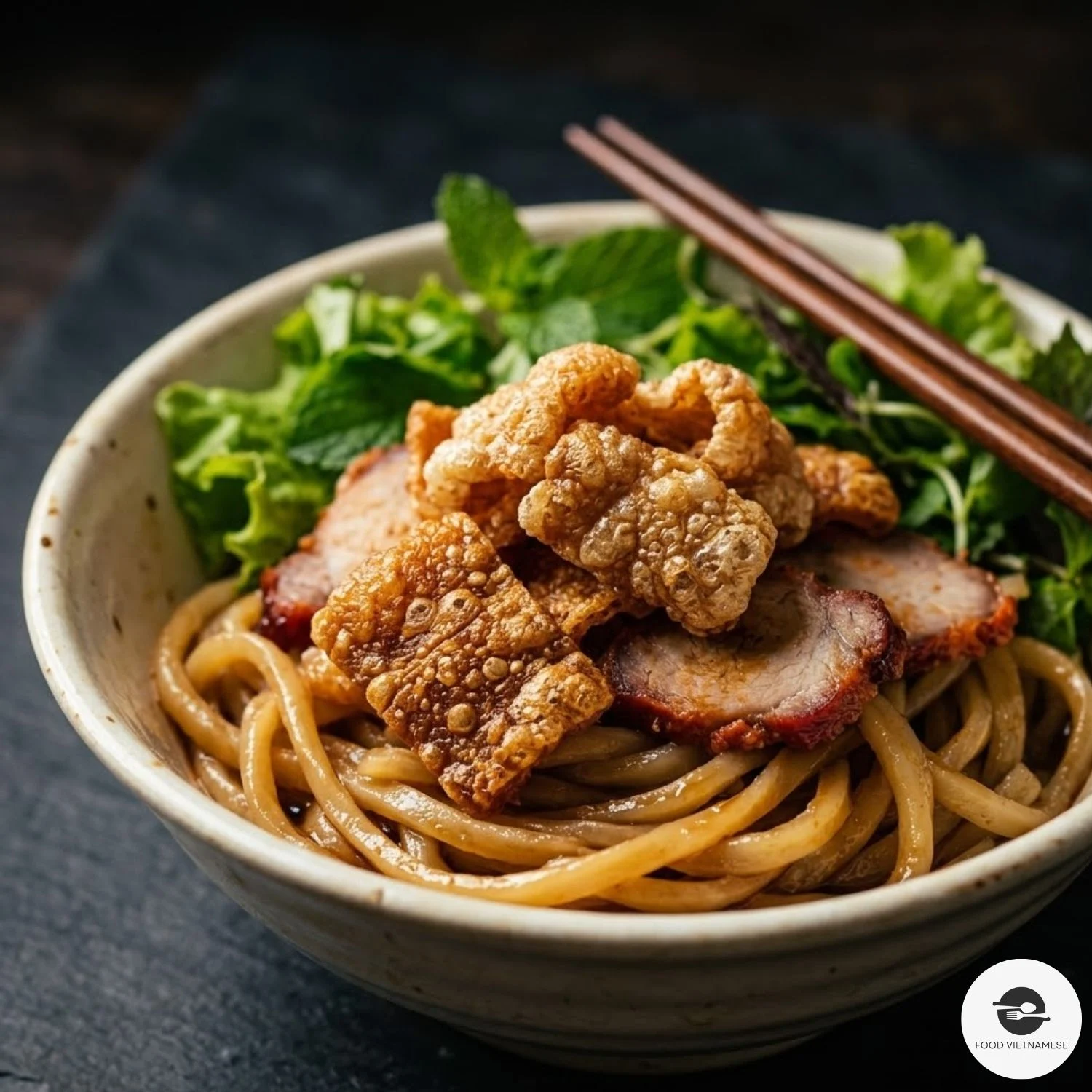
Cao Lau: The Hoi An Noodle Dish That Cannot Be Made Anywhere Else
Cao Lau is a noodle dish found exclusively in Hoi An, Central Vietnam — thick, chewy rice noodles…
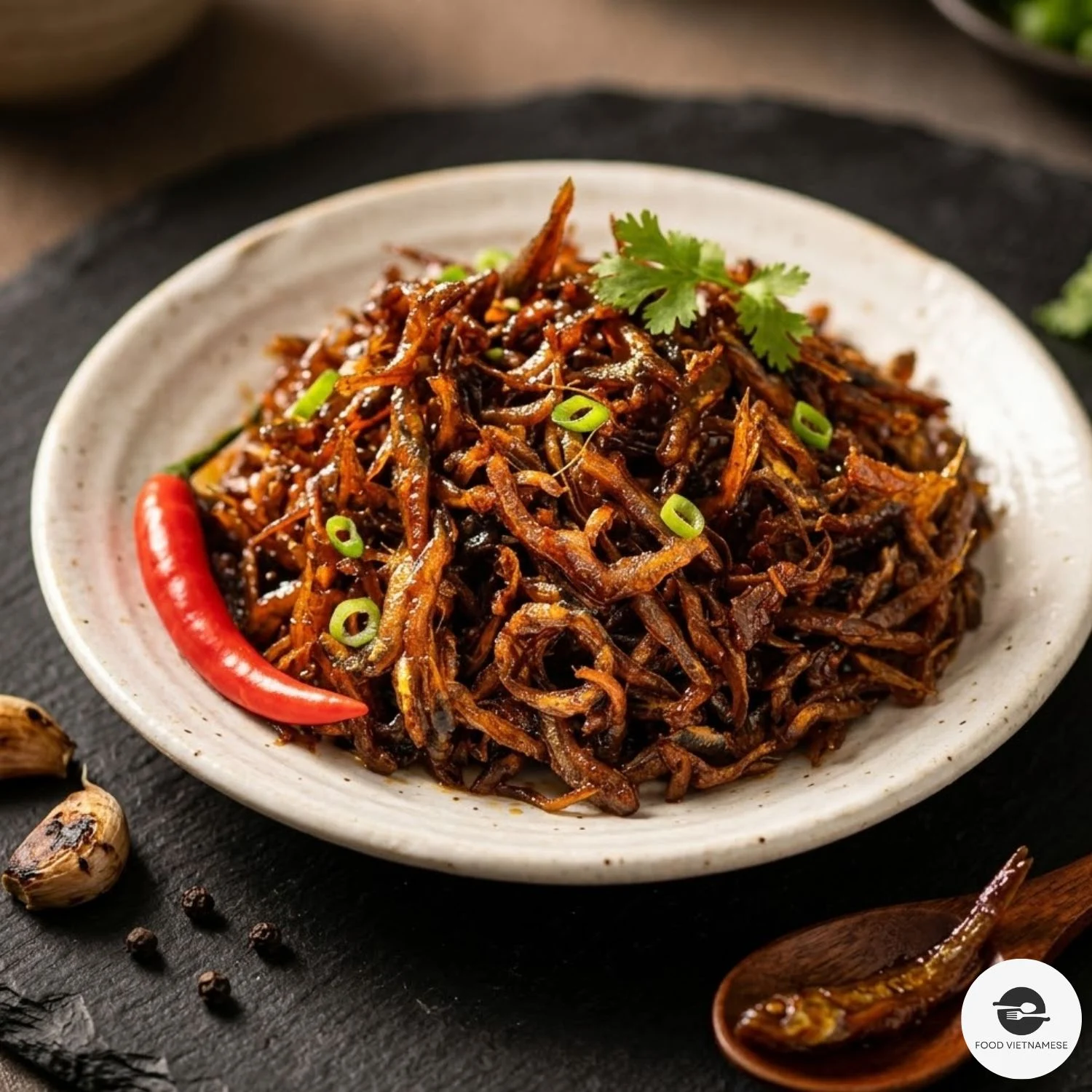
Ca Bong Song Tra – The Tiny Fish That Made It Into Quang Ngai’s Folk Poetry
Ca bong song tra (Tra River goby) is a Quang Ngai specialty made from sand goby — a…