Table of contents
Calories: 350–500 kcal, varies most by filling
Protein: 15–25 g
Carbohydrate: 45–55 g, mostly from the baguette
Fat: 10–22 g, driven largely by pâté and mayonnaise
Sodium: 800–1,400 mg, higher with cold cuts and fish sauce drizzle
Bánh mì gets compared to Western sandwiches constantly, and the comparison usually undersells it — a foot-long sub piled with deli meat and cheese on dense bread often runs well past 700 calories, while a full banh mi with the same rough dimensions frequently lands under 500. The bread is the biggest reason why, and the filling is where the real calorie range comes from.
What’s Actually in a Banh Mi
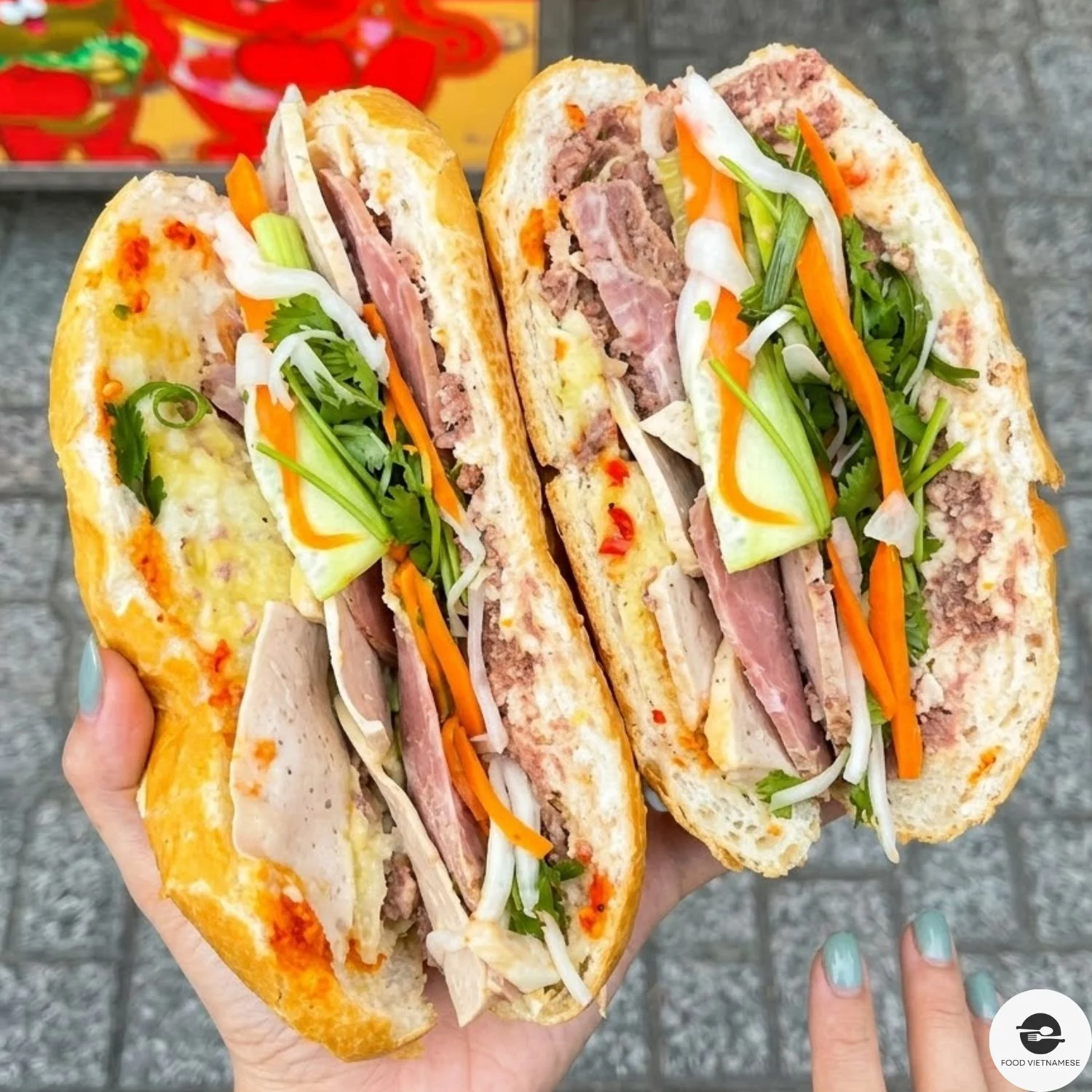
Every version starts with the same frame: a Vietnamese baguette (bánh mì), split and lightly toasted, spread with pâté and mayonnaise, then layered with protein, pickled daikon and carrot (đồ chua), cucumber, cilantro, and fresh chili. The protein is where the biggest variation happens — from lean grilled chicken to fatty cold cuts to deep-fried options — and it’s the single factor that moves the calorie count most.
| Filling | Calories | Protein | Fat |
|---|---|---|---|
| Thịt nướng (grilled pork) | 380–430 kcal | 20–24 g | 12–16 g |
| Gà nướng (grilled chicken) | 350–400 kcal | 22–26 g | 9–13 g |
| Thịt nguội (cold cuts, ham/headcheese) | 420–480 kcal | 16–20 g | 16–20 g |
| Chả lụa (Vietnamese pork sausage) | 400–450 kcal | 17–21 g | 14–18 g |
| Đậu hũ (tofu, vegetarian) | 320–380 kcal | 12–16 g | 10–14 g |
| Xíu mại (meatballs in tomato sauce) | 440–500 kcal | 18–22 g | 17–22 g |
Why the Vietnamese Baguette Matters for the Calorie Count
A French baguette adapted with rice flour, the bánh mì loaf has a thin, shatteringly crisp crust and an interior that’s noticeably more open and airy than the tight, dense crumb of a standard sub roll. Less bread mass for the same length means fewer calories from the bread itself before any filling goes in — roughly 150–180 calories for a 20cm banh mi baguette versus 220–280 for a similarly sized dense sub roll. This is a structural difference in the bread, not a diet trick, and it’s the main reason banh mi’s calorie count looks lighter than the sandwich’s size would suggest.
Is Banh Mi Healthy? The Honest Breakdown
What works in its favor: the pickled vegetables and fresh herbs add volume, fiber, and vitamin C for almost no calories, and grilled protein options keep fat moderate. The lighter bread structure means a satisfying-sized sandwich comes in under many comparable Western options.
What to watch: pâté and mayonnaise are the main fat and calorie drivers, and cold cuts or processed meats add sodium along with preservatives some people prefer to limit. A banh mi loaded with fried components, like cha gio (spring rolls) tucked inside, pushes well past the ranges above. As with most Vietnamese street food built on fish sauce and other salt-forward seasonings, sodium adds up faster than calories do.
How to Make Banh Mi Lighter Without Losing What Makes It Banh Mi
Choose grilled protein over cold cuts or fried fillings: thịt nướng or gà nướng keep fat and sodium meaningfully lower than processed cold cuts or anything fried.
Ask for pâté and mayo on the side or reduced: these two ingredients drive most of the fat count; a thinner layer of each barely changes the flavor but noticeably changes the calories.
Load up on đồ chua, cucumber, and herbs: the pickled vegetables add crunch, acidity, and volume that make the sandwich feel more substantial without adding real calories — this balance is part of why banh mi doesn’t taste heavy even when it’s fully loaded.
The banh mi cart near chợ Bà Chiểu that I grew up buying from before school always weighed the pâté with the flat of a knife rather than a spoon — a thin, even scrape rather than a dollop. It wasn’t about calories; it was about not letting one ingredient drown out the pickles and herbs. That same instinct is why a well-made banh mi rarely feels greasy the way an overloaded one from a rushed vendor sometimes does — balance, not restriction, is the actual technique.
Kelly Thuy — street food notes, Bình Thạnh, Saigon
Frequently Asked Questions
A standard 20cm banh mi runs roughly 350–500 calories depending on the filling, with grilled chicken or tofu versions landing lightest and cold-cut or meatball versions running highest.
It can be — the pickled vegetables and herbs add fiber and vitamin C for very few calories, and grilled protein keeps fat moderate. The main considerations are pâté, mayonnaise, and sodium from processed fillings, which vary a lot depending on what you order.
Đậu hũ (tofu) and gà nướng (grilled chicken) tend to run lowest, typically 320–400 calories, since they carry less fat than cold cuts, chả lụa, or fried fillings.
The baguette contributes 45–55 grams of carbohydrate to a standard sandwich, similar to other bread-based sandwiches, though the airy, less dense crumb means slightly less bread mass — and fewer carbs — than a comparably sized Western sub roll.

Related articles
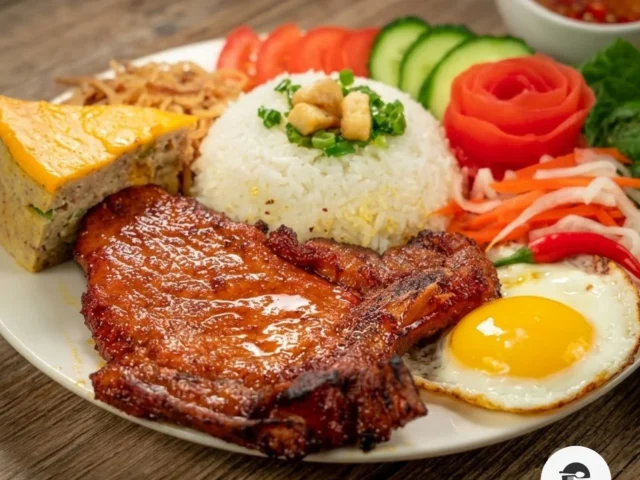
Com Tam Calories: The Rice Isn’t the Problem, the Toppings Are
Com tam calories range from about 500 to 800 per plate, and almost none of that swing comes…
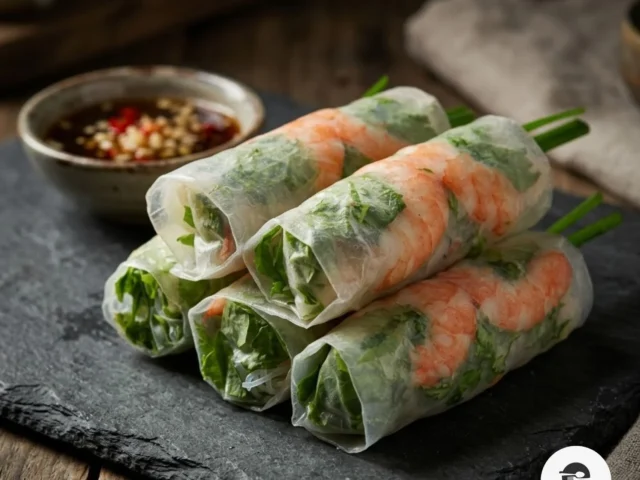
Goi Cuon Calories: The Roll Is Light — the Peanut Sauce Isn’t
Goi cuon calories run surprisingly low for the roll itself — a standard shrimp-and-pork gỏi cuốn comes in…
Banh Xeo Calories: One Pancake, Two Very Different Numbers
Banh xeo calories run about 140–155 per 100 grams across most nutrition databases, but the number that actually…