Table of contents
Best all-purpose swap: Soy sauce + lime juice, 1:1
Best vegan option: Shiitake-kombu sauce or pineapple nước mắm chay
Closest in flavor (non-vegan): Diluted anchovy paste
Weakest swap: Plain salt — adds salinity but zero umami
Hardest dish to substitute in: Vietnamese dipping sauce (nước chấm)
Fish sauce is harder to replace than most ingredients because it does three jobs at once: it salts the dish, it loads it with glutamate-driven umami, and it adds a fermented depth that people describe as funk. Most substitutes cover one or two of those jobs, so the trick is matching the right substitute to the right dish. Below are all eight options ranked, with a full section on vegan alternatives — including one that Vietnamese cooks have been making for generations.
What Fish Sauce Actually Does in a Dish
Real fish sauce (nước mắm) is made from anchovies fermented with salt for a year or more. That long fermentation breaks fish protein down into free glutamates and amino acids — the same compounds that make aged cheese and soy sauce taste savory. It’s the backbone of Vietnamese cooking and one of the defining ingredients of the cuisine, used in everything from marinades and braises to the dipping sauce on every table.
A good substitute needs to deliver salt plus umami. Salt alone tastes flat, and umami without enough salt disappears into the dish. Keep that two-part test in mind as you pick from the table below.
The 8 Best Fish Sauce Substitutes, Ranked
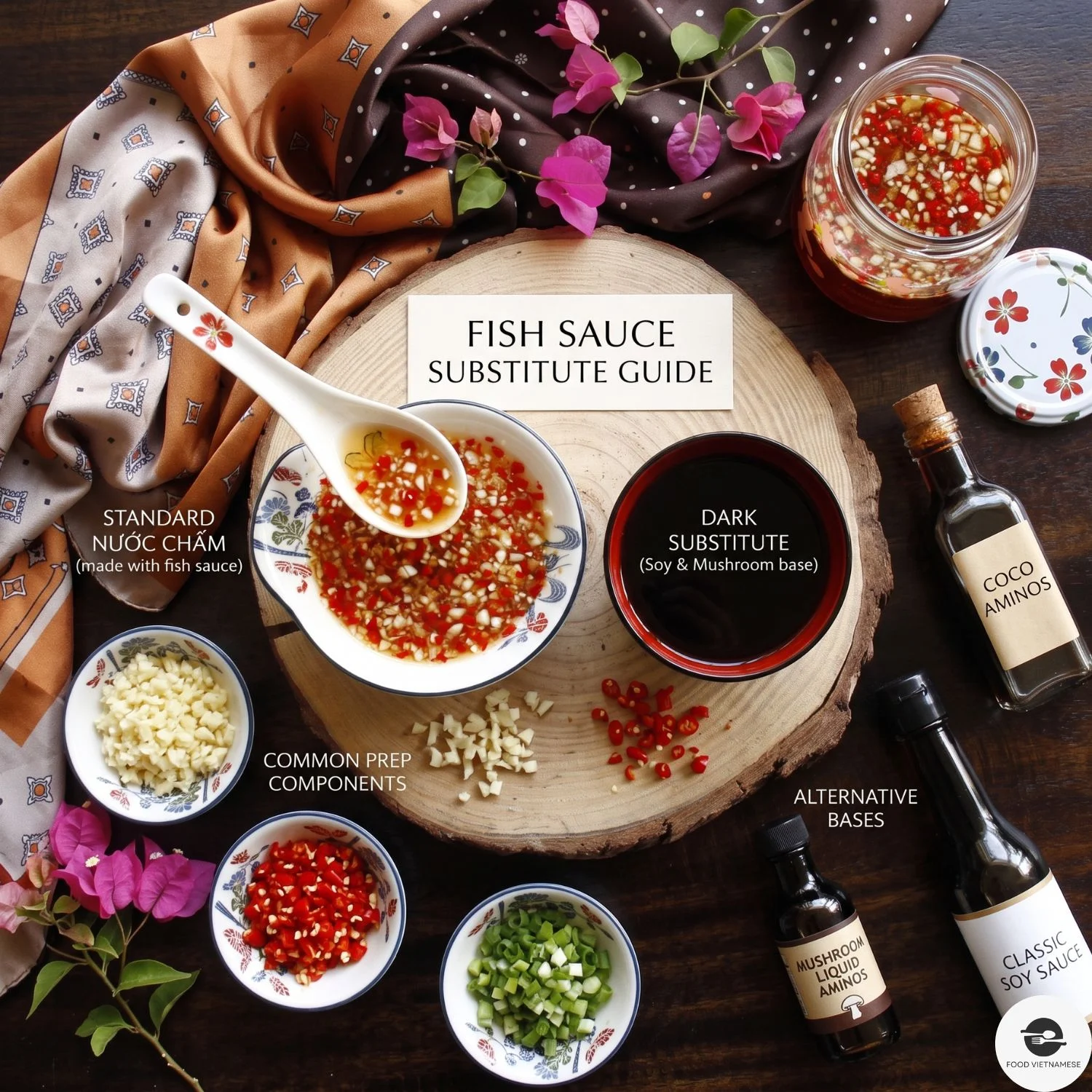
| Substitute | Ratio (per 1 tbsp fish sauce) | Vegan? | Best for |
|---|---|---|---|
| 1. Soy sauce + lime juice | 1 tbsp soy + ½ tsp lime | Yes | Stir-fries, marinades, fried rice |
| 2. Homemade shiitake-kombu sauce | 1 tbsp | Yes | Everything, incl. dipping sauce |
| 3. Pineapple nước mắm chay | 1 tbsp | Yes | Dipping sauce, Vietnamese dishes |
| 4. Bottled vegan fish sauce (seaweed-based) | 1 tbsp | Yes | Pad thai, curries, soups |
| 5. Diluted anchovy paste | ½ tsp paste + 1 tsp water | No | Closest flavor match overall |
| 6. Tamari | 1 tbsp | Yes | Gluten-free cooking |
| 7. Coconut aminos | 1 tbsp + small pinch of salt | Yes | Low-sodium, soy-free diets |
| 8. Worcestershire sauce | 1 tbsp | No (contains anchovies) | Meat marinades, stews |
1. Soy Sauce + Lime Juice
Soy sauce covers the salt and a good share of the umami; the lime restores the bright, sour-edged finish that fish sauce leaves behind. This is the swap I recommend to anyone standing in front of an open pantry mid-recipe. It fails only in one place — a dipping sauce where fish sauce is the star rather than a background note.
2. Homemade Shiitake-Kombu Sauce
Dried shiitake and kombu (dried kelp) are two of the densest plant sources of natural glutamates, which is exactly what fermented anchovies provide. Simmer 2 cups of water with 6–8 dried shiitake, a palm-sized piece of kombu, 3 tablespoons of soy sauce, and 1 teaspoon of salt for 20 minutes, then strain and reduce by a third. It keeps two weeks refrigerated and swaps 1:1. Of every option on this list, it comes closest to fooling someone in a finished dish.
3. Pineapple Nước Mắm Chay
This is the substitute the English-language internet mostly misses. Vietnamese Buddhists eat vegetarian on the first and fifteenth of each lunar month, and generations of home cooks have solved the fish sauce problem with nước mắm chay: pineapple simmered with salt, soy sauce, and a little sugar until the fruit gives up its sweet-sour juice, then strained. The pineapple’s acidity and fermented-adjacent sweetness mimic nước mắm’s profile surprisingly well — it exists precisely because it has to stand in for fish sauce in sweet and sour dipping sauce (nước mắm chua ngọt), the hardest use case of all.
4. Bottled Vegan Fish Sauce
Larger Asian grocers and health food stores now carry bottled vegan fish sauce, usually built on seaweed, mushroom extract, or fermented soy. Quality varies by brand — the seaweed-forward ones taste closest to the real thing, while some lean salty and thin. Use 1:1 and taste before adding more; several run saltier than nước mắm.
5. Diluted Anchovy Paste
Not vegan, but if your goal is simply “I ran out of fish sauce,” this is the truest flavor match — fish sauce is fermented anchovies, and so is the paste, just ground instead of drained. Mix half a teaspoon of paste with a teaspoon of water per tablespoon of fish sauce. It brings the funk that every plant-based option struggles to replicate.
6. Tamari
Tamari behaves like soy sauce in this role but is brewed with little or no wheat, making it the pick for gluten-free kitchens. It’s slightly thicker and rounder-tasting than regular soy sauce. Add the same squeeze of lime you’d add to soy.
7. Coconut Aminos
Made from coconut sap, this is the mildest option — noticeably sweeter and about two-thirds less salty than fish sauce. Swap 1:1 but add a small pinch of salt, or the dish will taste hollow. Best for people avoiding both fish and soy.
8. Worcestershire Sauce
Worcestershire actually contains anchovies, which makes it a cousin of fish sauce rather than a replacement for dietary reasons. Its tamarind and molasses notes push it toward Western flavors, so it works in beef marinades and stews but reads as out of place in a Vietnamese braised pork with eggs (thịt kho trứng) or a bowl of dipping sauce.
Vegan Fish Sauce Alternative: What Actually Works
If you’re cooking fully plant-based, your realistic choices are options 1 through 4 above — and which one to use depends on how central fish sauce is to the dish.
When fish sauce is a background seasoning (fried rice, stir-fried vegetables, most marinades): soy sauce with lime is enough. The other ingredients carry the dish, and the swap disappears.
When fish sauce is a main flavor (pad thai, Thai curries, Vietnamese caramel braises): use the shiitake-kombu sauce or a good bottled vegan fish sauce. These dishes expose weak substitutes — plain soy sauce makes pad thai taste like Chinese takeout instead of Thai street food.
When fish sauce IS the dish — nước chấm for spring rolls, or the glaze on fish sauce chicken wings — reach for pineapple nước mắm chay or the shiitake-kombu sauce, and balance it exactly as you would the original: lime, sugar, garlic, chili. The framework of sour-sweet-salty-hot matters more than the base liquid.
One ingredient to skip: mushroom seasoning powder on its own. It supplies umami but no liquid body or acidity, so it works as a booster stirred into one of the sauces above, not as a standalone substitute.
My grandmother cooked vegetarian on the first and the fifteenth of every lunar month, and those mornings smelled different — pineapple and soy simmering before seven, instead of the usual sharp hit of nước mắm when the bottle opened. She’d let the pot go until the pineapple slumped, strain it through a cloth, and line up the same little dishes of lime, sugar, and bird’s eye chili next to it. I once watched an uncle dip a spring roll and not notice the difference until someone told him. That pot is why I never worry when someone says they can’t eat fish sauce — Vietnamese kitchens solved this a long time ago.
Kelly Thuy — family kitchen notes, District Bình Thạnh, Saigon
Which Substitute for Which Dish
Dipping sauces (nước chấm): pineapple nước mắm chay or shiitake-kombu sauce. This is the most exposed use of fish sauce — diluted with water, lime, and sugar, with nothing to hide behind — so use the strongest substitute you have.
Braised dishes (kho): soy sauce works well because caramel, and long simmering, carry the flavor. In a clay pot braise like cá kho tộ, replace the fish sauce with soy at 1:1 and add the lime at the end, off the heat.
Soups and broths: shiitake-kombu sauce, hands down — it doubles as a light stock and deepens the broth instead of just salting it.
Fried rice and stir-fries: any of the top options; even tamari or coconut aminos hold up here because high heat and aromatics do most of the work.
Frequently Asked Questions
Use soy sauce with a squeeze of lime juice at a 1:1 ratio for most dishes. For dishes where fish sauce is the main flavor, a simmered shiitake-kombu sauce or a seaweed-based bottled vegan fish sauce comes much closer to the original.
Only in Western-style dishes like beef marinades and stews. Worcestershire contains anchovies but also tamarind and molasses, which taste out of place in Southeast Asian recipes — and it is not suitable for vegans or people avoiding fish.
Use a shiitake-kombu sauce or a bottled seaweed-based vegan fish sauce at a 1:1 ratio. Plain soy sauce makes pad thai taste flat and takeout-like, because the dish leans heavily on fish sauce for its signature savory-sour depth.
Partly. Both are salty and high in umami from fermentation, but fish sauce has a sour edge and a fermented-seafood depth that soy sauce lacks. Adding a squeeze of lime to soy sauce closes most of the gap in cooked dishes.

Related articles
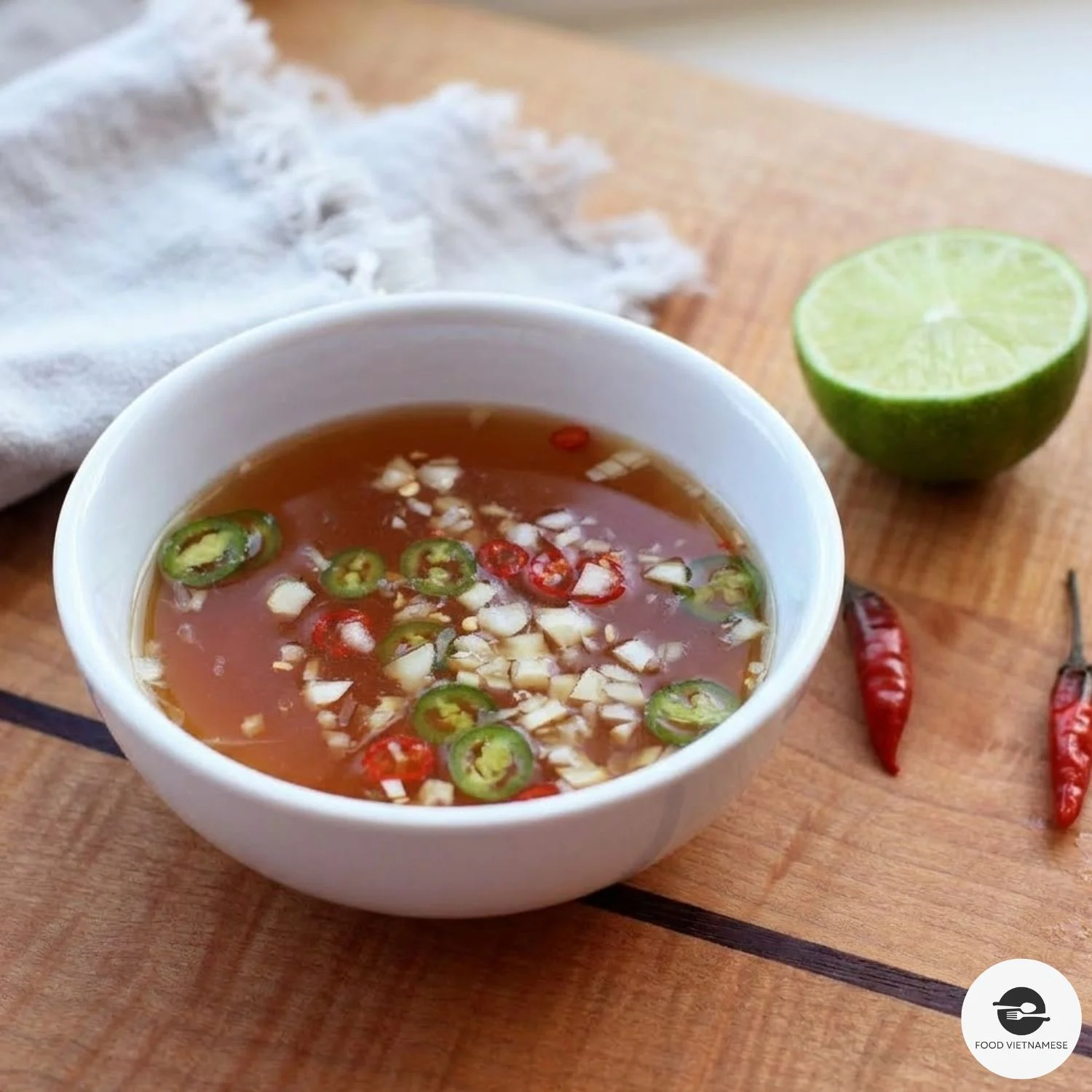
What Is Nuoc Cham? The Sauce Behind Nearly Every Vietnamese Dish
Nuoc cham (nước chấm) literally means “dipping sauce” in Vietnamese — a general term, not the name of…
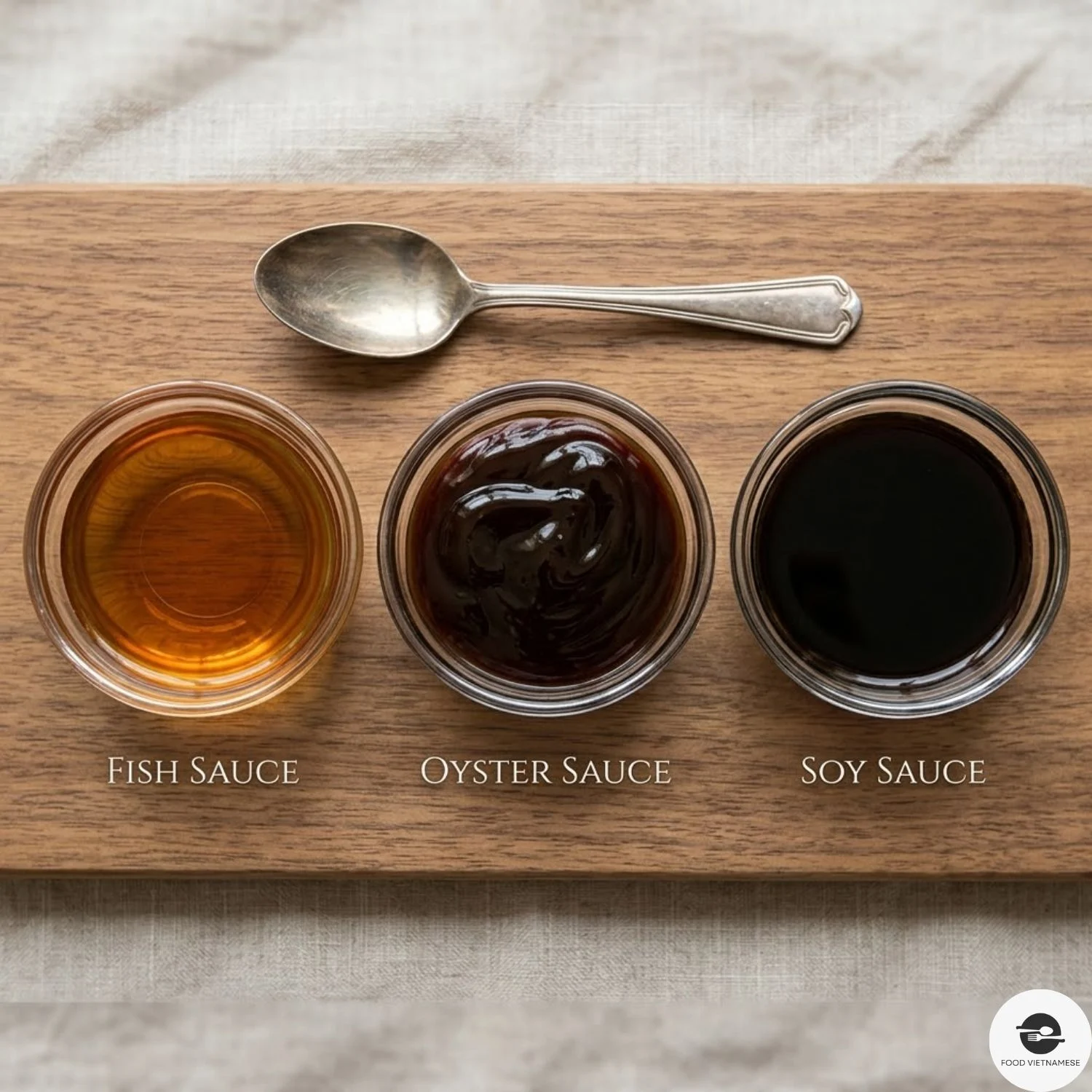
Fish Sauce vs Oyster Sauce vs Soy Sauce: How to Tell Them Apart (and When to Use Each)
All three are umami-rich, salty condiments, but they come from completely different sources and behave differently in a…
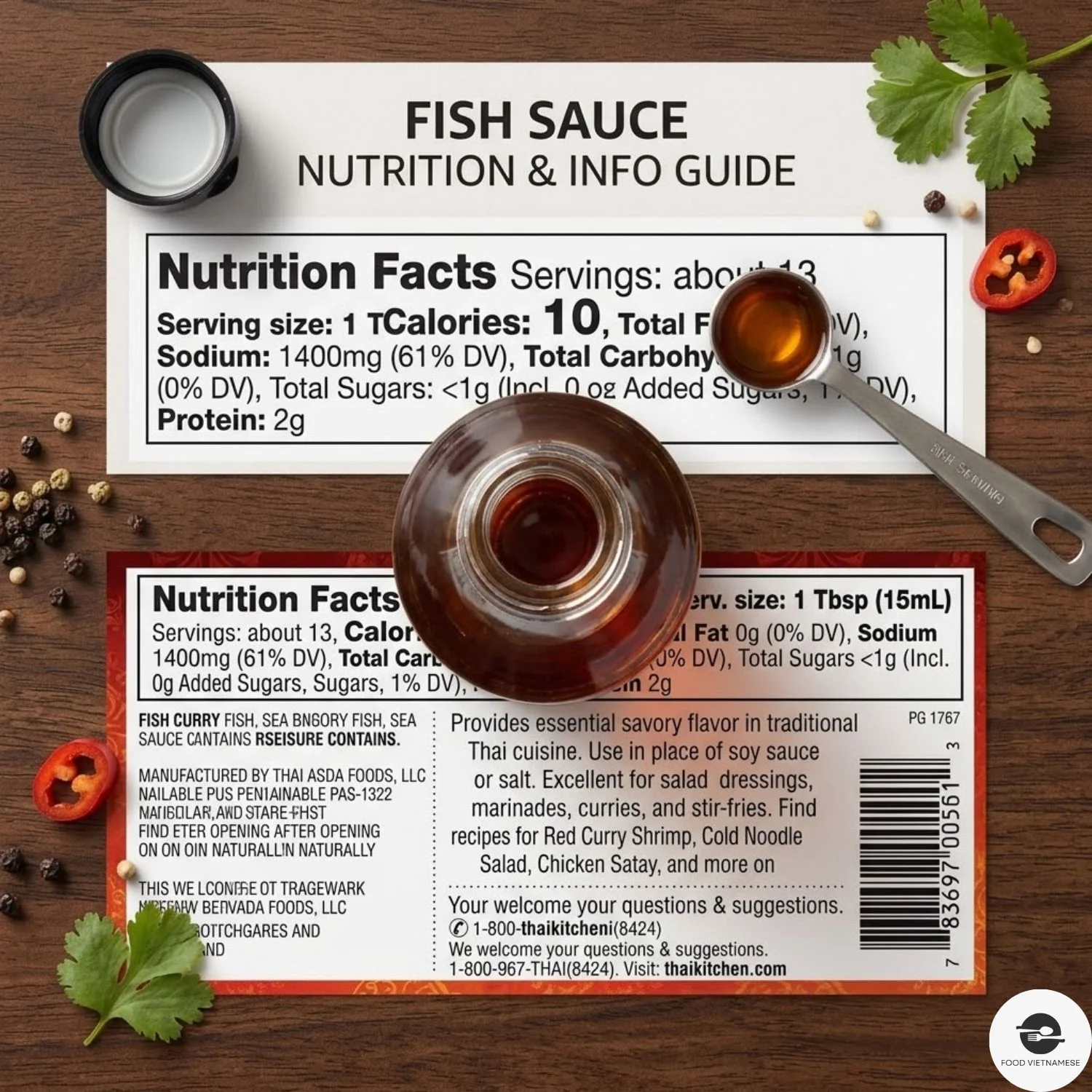
Is Fish Sauce Healthy? The Sodium, Calories & Nutrition Facts Explained
Fish sauce is nutritionally simple: about 5–10 calories, 1 gram of protein, and 400–550 milligrams of sodium per…