Table of contents
Literal meaning: “Nước” (liquid) + “chấm” (to dip) = dipping sauce
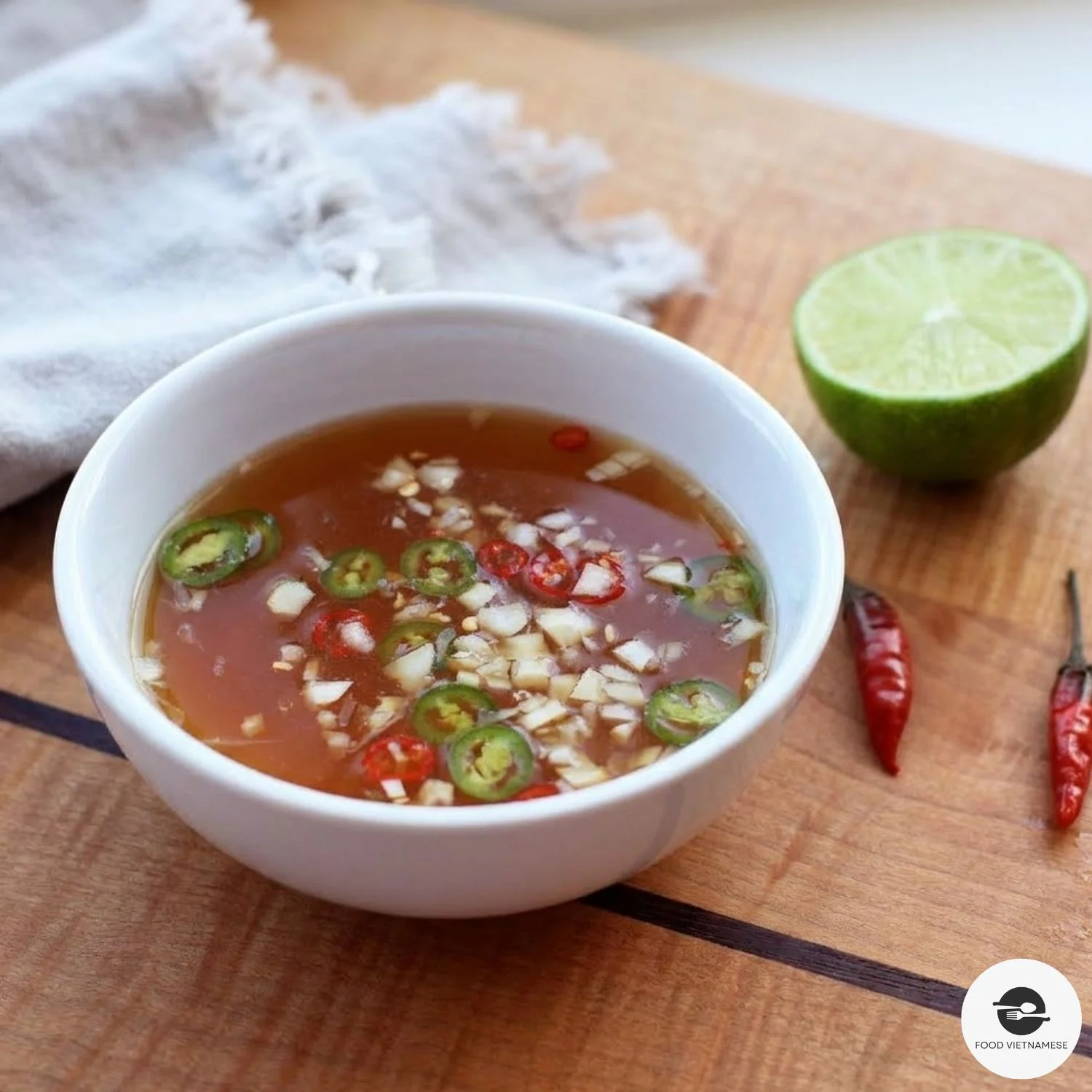
Most common form: Fish sauce, lime juice, sugar, water, garlic, chili
Common starting ratio: Roughly 1 part fish sauce : 1 part lime juice : 1 part sugar : 4–5 parts water (varies by family)
Not the same as: Nước mắm (pure fish sauce, the base ingredient)
Common dishes it’s served with: Gỏi cuốn, chả giò, bánh xèo, cơm tấm, bún dishes
Ask five Vietnamese home cooks how to make nuoc cham and you’ll likely get five slightly different answers — more or less sugar, lime versus vinegar, water versus broth — because “nước chấm” was never meant to describe one fixed formula. It’s a category, the way “vinaigrette” or “salsa” is a category in other cuisines. This covers what the term actually means, how it differs from nước mắm (a distinction that trips up a lot of people), and how it’s typically made.
What Does “Nước Chấm” Actually Mean?
Broken down literally, “nước” means water or liquid, and “chấm” means to dip. Put together, “nước chấm” simply means “dipping sauce” or “dipping liquid” — it’s a functional, descriptive term rather than a proper name for one specific recipe. Technically, this makes peanut sauce, vinegar-based dips, and other Vietnamese condiments all forms of “nước chấm” as well. But in everyday use, especially outside Vietnam, “nuoc cham” has become shorthand for one specific, extremely common version: the sweet-salty-sour-spicy fish sauce dip found on nearly every table.
Nuoc Cham vs Nuoc Mam: The Terminology People Get Wrong
This is where real confusion sets in, and it’s worth being precise about: nước mắm means fish sauce — the pure, fermented liquid pressed from salted anchovies, sold in bottles. Nước chấm is the diluted dipping sauce made using nước mắm as a base, mixed with water, lime, sugar, garlic, and chili. They are not the same thing, even though many Vietnamese families, including plenty of native speakers, casually call the finished dipping sauce “nước mắm” for short, since fish sauce is its dominant ingredient. The more precise term for the mixed sauce is actually nước mắm pha (“mixed fish sauce”) or nước mắm chấm, though “nước chấm” alone is what’s most commonly understood to mean this specific sauce in casual conversation.
In short: if a recipe calls for “nuoc mam,” check whether it means straight fish sauce from the bottle, or the mixed dipping sauce — the two are not interchangeable, and using pure fish sauce where the diluted version is intended will make a dish far too salty and pungent. For more on the base ingredient itself, see the full breakdown of fish sauce nutrition and sodium content.
What’s Actually In Nuoc Cham
The core version built around fish sauce uses five ingredients: fish sauce, fresh lime juice, sugar, water, and typically minced garlic and sliced fresh chili stirred in at the end. A commonly cited starting ratio is roughly 1 part fish sauce, 1 part lime juice, 1 part sugar, and 4 to 5 parts water, though this varies meaningfully by household — some recipes lean closer to 2 parts water and 2 parts sugar per part fish sauce for a sweeter, milder sauce. There’s no single “correct” ratio; it’s adjusted to taste and to what the sauce is served with, made stronger and less diluted for something like grilled meat, and lighter for delicate fresh rolls.
Regional Variations
Northern Vietnam: tends toward a milder, less sweet version, sometimes built with a light broth (often from pork or shrimp) rather than plain water, and using less sugar overall.
Central Vietnam: often uses a less diluted, more concentrated version with proportionally more chili, giving it a sharper, spicier profile than the northern or southern styles.
Southern Vietnam: typically the sweetest version, frequently made with palm sugar and sometimes coconut water in place of plain water, giving it a rounder, more mellow sweetness.
None of these regional versions is more “correct” than the others — they reflect genuine differences in how Vietnamese families across the country season food, the same way regional differences show up in pho broth styles from north to south.
What Dishes Is Nuoc Cham Used With
Nuoc cham is genuinely all-purpose, which is part of why it’s considered essential rather than optional in Vietnamese cooking. Common pairings include gỏi cuốn (fresh spring rolls), chả giò (fried spring rolls), grilled pork and vermicelli bowls like bún thịt nướng, bánh xèo (crispy pancakes), and broken rice plates like cơm tấm. It also works drizzled directly over rice noodle salads as a dressing rather than strictly a dip. For other Vietnamese dipping sauce styles beyond the fish-sauce version — including peanut sauce — see the guide to spring roll dipping sauces.
How to Make a Basic Nuoc Cham
Dissolve sugar into warm water first, then stir in fish sauce and fresh lime juice, adjusting each to taste. Finish with minced garlic and sliced fresh chili, and let it sit for at least 10 to 15 minutes before serving so the flavors meld. For the complete step-by-step recipe with exact measurements, see the full Vietnamese dipping fish sauce recipe.
My mother never measured nuoc cham with spoons — she tasted it off the tip of her finger after every addition, adjusting by feel the way some people season soup. When I first tried writing down her “recipe” for a cousin overseas, she genuinely struggled to give me numbers; the ratio in her head changed depending on which limes she’d bought that week and how salty that particular bottle of fish sauce tasted. That’s really the honest answer to how nuoc cham is made in most Vietnamese kitchens — a starting ratio, then adjustment by taste, every single time.
Kelly Thuy — family kitchen notes, Bình Thạnh, Saigon
Frequently Asked Questions
The most common version is made from fish sauce, fresh lime juice, sugar, and water, finished with minced garlic and sliced chili. Proportions vary by family and region, but this five-ingredient base is standard.
No. Nước mắm means fish sauce — the pure, concentrated liquid. Nước chấm (nuoc cham) is the diluted dipping sauce made using fish sauce as a base ingredient, mixed with water, lime, sugar, garlic, and chili. They’re often confused because people casually call the mixed sauce “nước mắm” for short.
It’s genuinely all-purpose, commonly served with fresh and fried spring rolls, grilled meat and vermicelli bowls, crispy pancakes (bánh xèo), and broken rice (cơm tấm), among many other dishes.
Yes — substituting a plant-based fish sauce alternative (often made from fermented pineapple, soy, or mushroom) for traditional fish sauce keeps the same balance of salty, sweet, sour, and spicy without any animal-derived ingredients.

Related articles
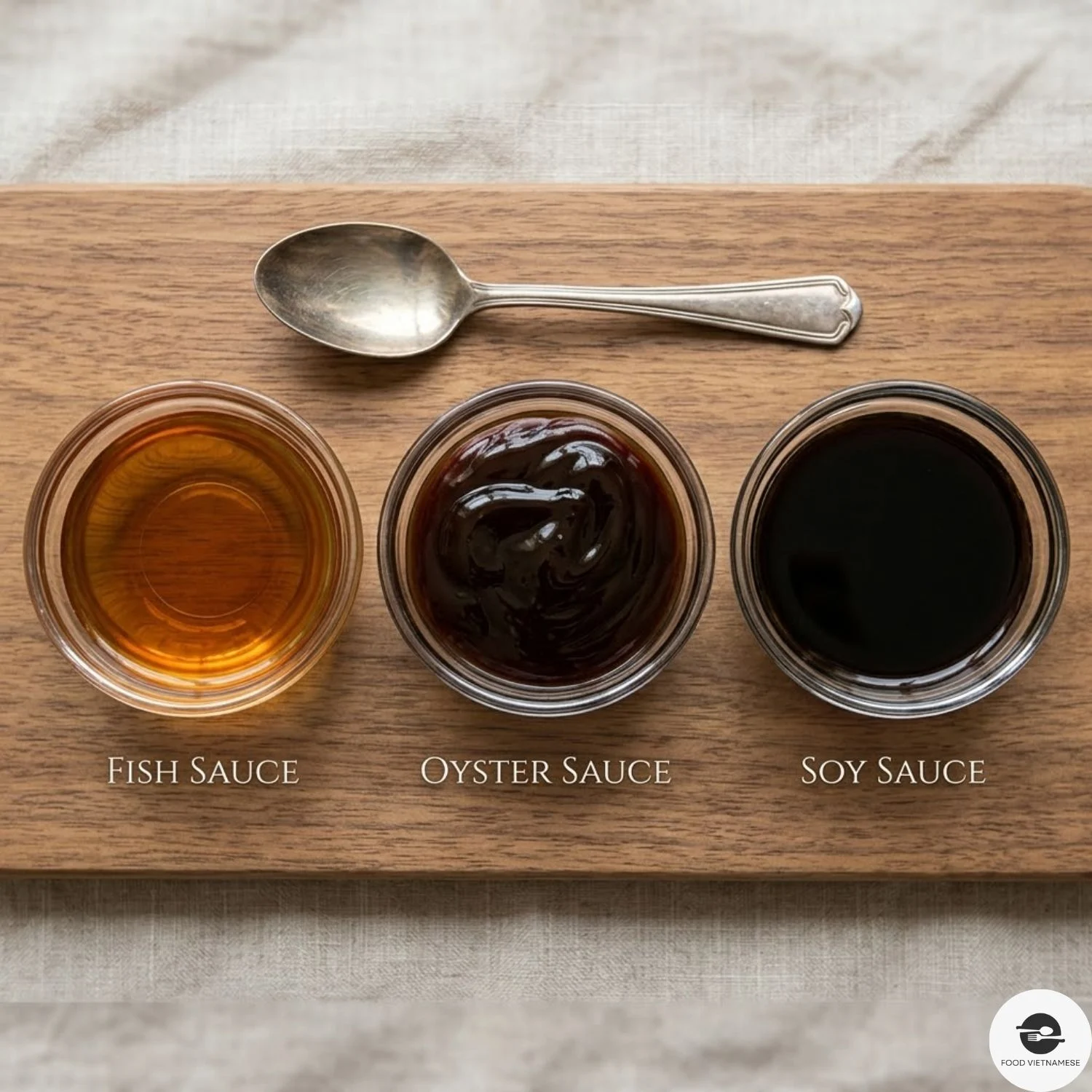
Fish Sauce vs Oyster Sauce vs Soy Sauce: How to Tell Them Apart (and When to Use Each)
All three are umami-rich, salty condiments, but they come from completely different sources and behave differently in a…
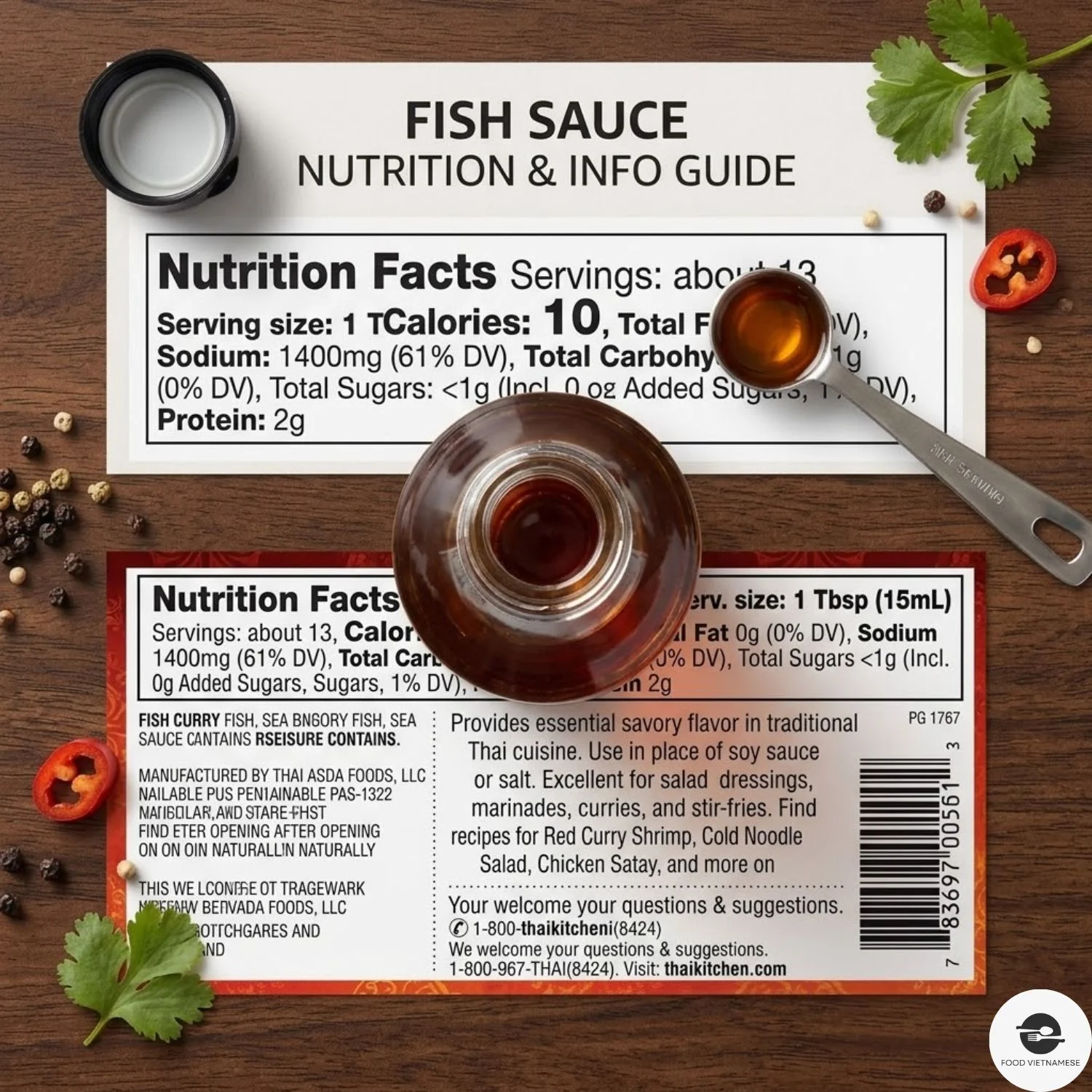
Is Fish Sauce Healthy? The Sodium, Calories & Nutrition Facts Explained
Fish sauce is nutritionally simple: about 5–10 calories, 1 gram of protein, and 400–550 milligrams of sodium per…
Does Fish Sauce Go Bad? Shelf Life, Storage & When to Toss It
Fish sauce almost never goes bad in the food-safety sense — its salt content, around 25–30 percent, is…