
Table of contents
Fish sauce: Thin liquid, ~5–10 kcal, ~400–550mg sodium, gluten-free
Oyster sauce: Thick syrup, ~9–10 kcal, ~450–490mg sodium, often contains wheat
Soy sauce: Thin liquid, ~8–10 kcal, ~900–1,000mg sodium, often contains wheat (unless tamari)
Most similar pair: Fish sauce and soy sauce (both thin, salt-forward)
Most different pair: Fish sauce and oyster sauce (thin vs thick, funky vs sweet)
These three sauces show up together constantly in Southeast Asian and Chinese cooking, and it’s tempting to treat them as interchangeable umami boosters — but swapping one for another changes a dish more than most people expect. This breaks down what each sauce actually is, how fish sauce compares specifically to each of the other two, and which one to reach for depending on what you’re cooking.
What Each Sauce Actually Is
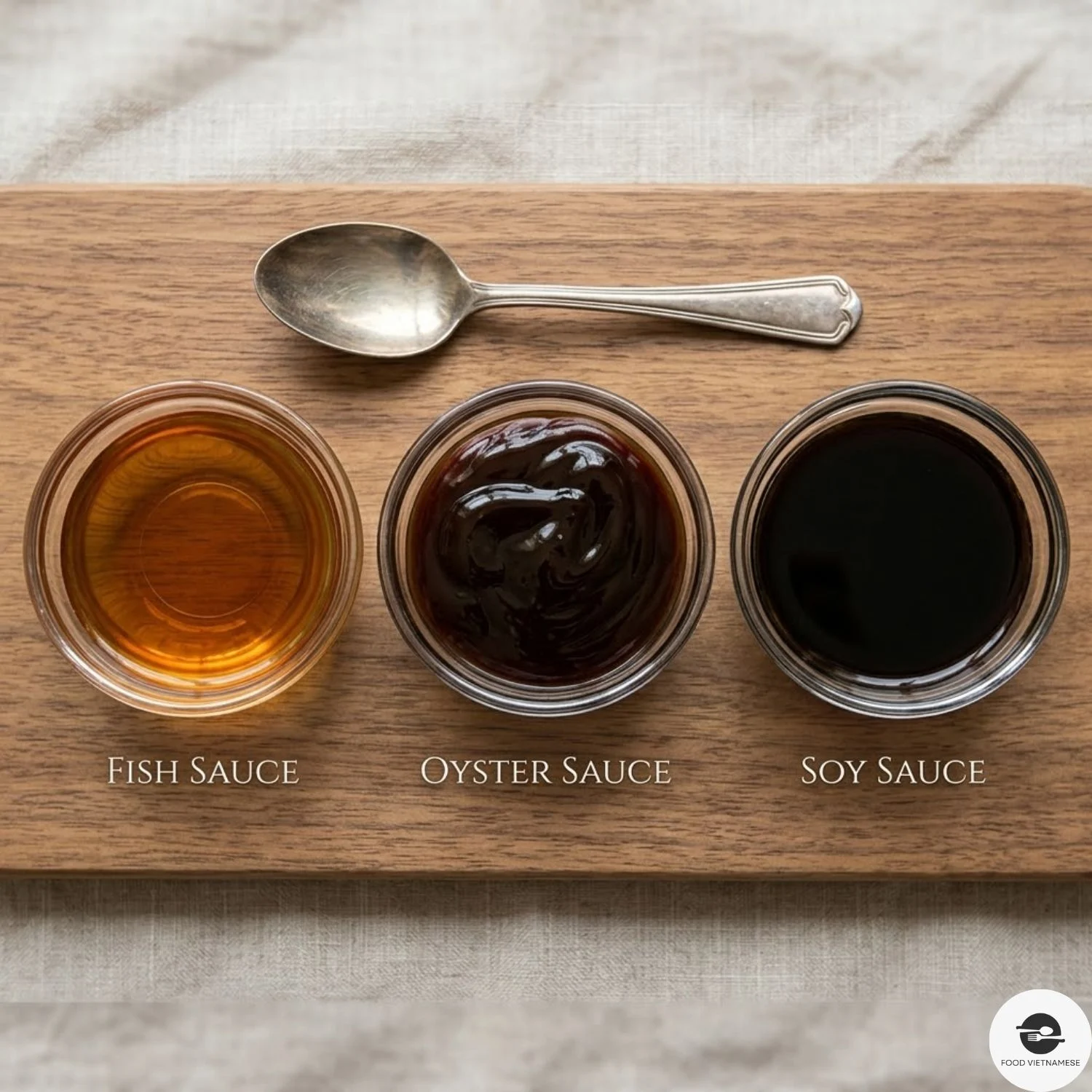
Fish sauce (nước mắm) is made by fermenting anchovies or other small fish in salt for months to over a year, then pressing off the liquid. It’s thin, translucent to amber, and intensely pungent raw — a smell that mellows significantly once cooked into a dish. It’s one of the defining ingredients in Vietnamese cooking, used both as a cooking seasoning and diluted into dipping sauces.
Oyster sauce is made from oyster extract, cooked down and thickened with sugar and often cornstarch, giving it a glossy, syrupy texture completely unlike either fish sauce or soy sauce. It’s sweeter and less aggressively salty than either, and it clings to food rather than seasoning it invisibly — which is exactly its job in a stir-fry glaze.
Soy sauce is fermented from soybeans (and often wheat), producing a thin, dark liquid that’s salty and savory without fish sauce’s marine funk or oyster sauce’s sweetness. It’s the most globally familiar of the three and the closest thing to a “neutral” umami liquid among them.
Fish Sauce vs Oyster Sauce
These two are the most different pairing on this list, and confusing them changes a dish’s texture as much as its flavor. Fish sauce is thin and disappears into a broth or marinade, seasoning without adding body. Oyster sauce is thick and sweet, meant to coat noodles, vegetables, or meat with a glossy finish — using it in place of fish sauce in a dipping sauce or broth makes the dish noticeably sweeter and thicker than intended, and using fish sauce in place of oyster sauce in a stir-fry glaze leaves the dish thin and missing the characteristic shine.
| Feature | Fish Sauce | Oyster Sauce |
|---|---|---|
| Texture | Thin, watery | Thick, syrupy |
| Flavor | Salty, pungent, funky | Sweet, savory, mild |
| Best use | Marinades, dipping sauce, seasoning broths | Stir-fry glazes, coating vegetables and meat |
| Vegetarian-friendly version available | Rare (mushroom-based alternatives exist) | Common (mushroom oyster sauce) |
Fish Sauce vs Soy Sauce
These two are closer cousins — both thin, both salt-forward, both commonly used to season a dish during cooking rather than as a finishing glaze. The real difference is depth of funk: fish sauce carries a distinctly marine, fermented-fish character that soy sauce doesn’t have, since soy sauce ferments from soybeans rather than fish. Sodium is also a meaningful difference: as covered in the full fish sauce nutrition breakdown, fish sauce runs 400–550mg of sodium per tablespoon, while regular soy sauce runs noticeably higher, at roughly 900–1,000mg — nearly double.
| Feature | Fish Sauce | Soy Sauce |
|---|---|---|
| Source | Fermented fish | Fermented soybeans (often + wheat) |
| Sodium (per tbsp) | 400–550 mg | 900–1,000 mg |
| Flavor | Salty, funky, marine | Salty, savory, neutral |
| Gluten-free (pure form) | Yes | No, unless labeled tamari |
Sodium and Nutrition, All Three Side by Side
| Sauce | Calories (per tbsp) | Sodium (per tbsp) | Sugar |
|---|---|---|---|
| Fish sauce | 5–10 kcal | 400–550 mg | 0g |
| Oyster sauce | 9–10 kcal | 450–490 mg | ~2g |
| Soy sauce (regular) | 8–10 kcal | 900–1,000 mg | 0g |
The standout figure here is that soy sauce, generally perceived as the “milder” everyday condiment, actually carries the highest sodium of the three per tablespoon — nearly double fish sauce and roughly double oyster sauce. Oyster sauce’s sugar content is the only meaningful carbohydrate difference among the three, a byproduct of the thickening process.
Which One Should You Use?
For marinades and dipping sauces (like nước chấm): fish sauce, diluted with lime, sugar, and chili.
For a glossy stir-fry finish (beef and broccoli, lo mein): oyster sauce, added toward the end of cooking so its sugar doesn’t scorch.
For an everyday, all-purpose savory liquid (dumpling dipping sauce, general seasoning): soy sauce, the most neutral and widely compatible of the three.
When a recipe calls for one and you’re out: soy sauce and fish sauce can often substitute for each other in a pinch, understanding the flavor will shift toward less funk (using soy) or more funk (using fish sauce) — see the full fish sauce substitute guide for other options. Oyster sauce is harder to substitute directly because of its thickness and sweetness; a soy sauce and sugar mixture thickened slightly comes closest.
Dietary Considerations
Vegetarian/vegan: none of the three are vegetarian in their traditional form, though mushroom-based “vegetarian oyster sauce” is widely available and close in texture and flavor, and pineapple- or soy-based fish sauce alternatives exist for vegan cooking.
Gluten: pure fish sauce is naturally gluten-free (always check the label for additives). Regular soy sauce typically contains wheat; tamari is the gluten-free alternative. Oyster sauce frequently contains wheat as a thickener, so it’s worth checking labels if gluten is a concern.
My mother kept fish sauce and soy sauce on completely different shelves in the kitchen — fish sauce at eye level by the stove for constant use, soy sauce tucked in a cabinet, mostly for dumplings and the rare stir-fry that called for it specifically. When I moved out and cooked for myself the first time, I reached for soy sauce out of habit in a broth that needed fish sauce, and the dish tasted flat in a way I couldn’t place until I tasted it side by side with the real thing. The funk isn’t a flaw to work around — it’s the entire point.
Kelly Thuy — kitchen notes, Bình Thạnh, Saigon
Frequently Asked Questions
Yes, in a pinch, though the dish will lose fish sauce’s distinctive marine funk and end up milder and slightly saltier per tablespoon, since soy sauce carries more sodium. It works better in cooked dishes than in dipping sauces where fish sauce’s flavor is the main event.
No — they’re quite different. Oyster sauce is thick, sweet, and made from oyster extract with added sugar and thickener, while fish sauce is thin, salty, and made purely from fermented fish. They’re used for different purposes: oyster sauce glazes, fish sauce seasons.
Soy sauce has more sodium per tablespoon — typically 900–1,000mg compared to fish sauce’s 400–550mg. Fish sauce’s reputation for saltiness comes from its concentrated flavor, not from a higher sodium content than soy sauce.
Pure fish sauce is naturally gluten-free, though it’s worth checking labels for additives. Oyster sauce frequently contains wheat as a thickener, so it’s not reliably gluten-free unless specifically labeled as such.

Related articles
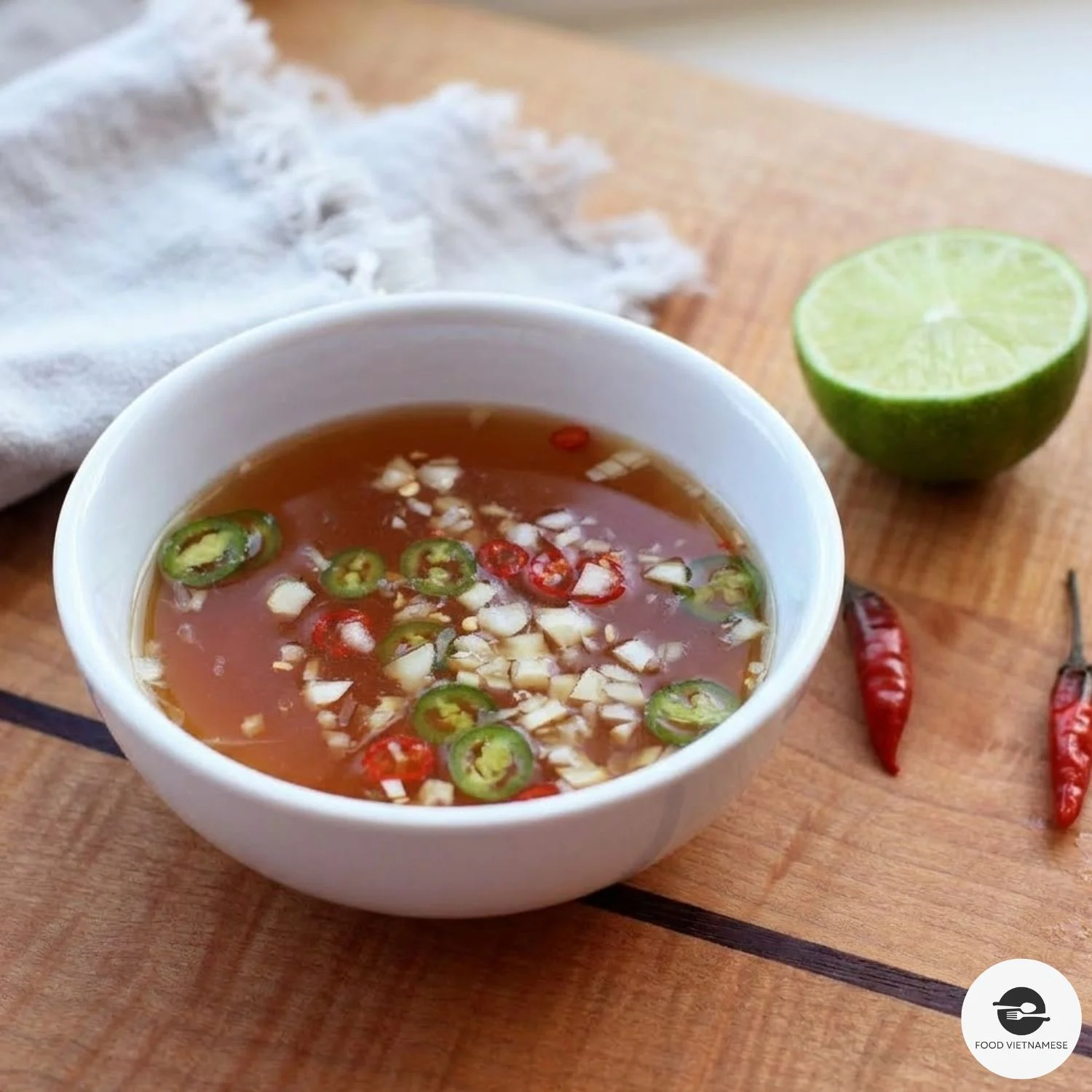
What Is Nuoc Cham? The Sauce Behind Nearly Every Vietnamese Dish
Nuoc cham (nước chấm) literally means “dipping sauce” in Vietnamese — a general term, not the name of…
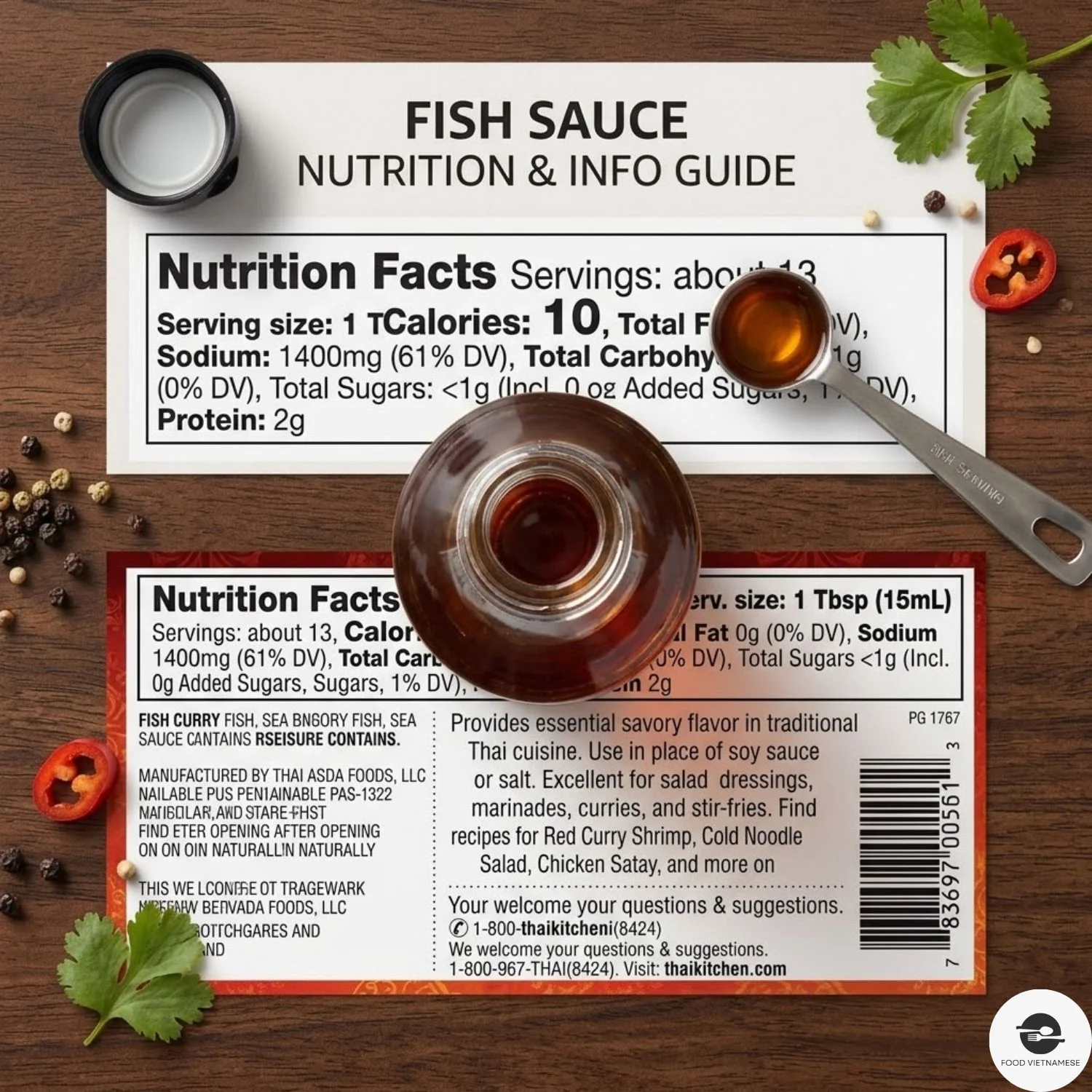
Is Fish Sauce Healthy? The Sodium, Calories & Nutrition Facts Explained
Fish sauce is nutritionally simple: about 5–10 calories, 1 gram of protein, and 400–550 milligrams of sodium per…
Does Fish Sauce Go Bad? Shelf Life, Storage & When to Toss It
Fish sauce almost never goes bad in the food-safety sense — its salt content, around 25–30 percent, is…