Table of contents
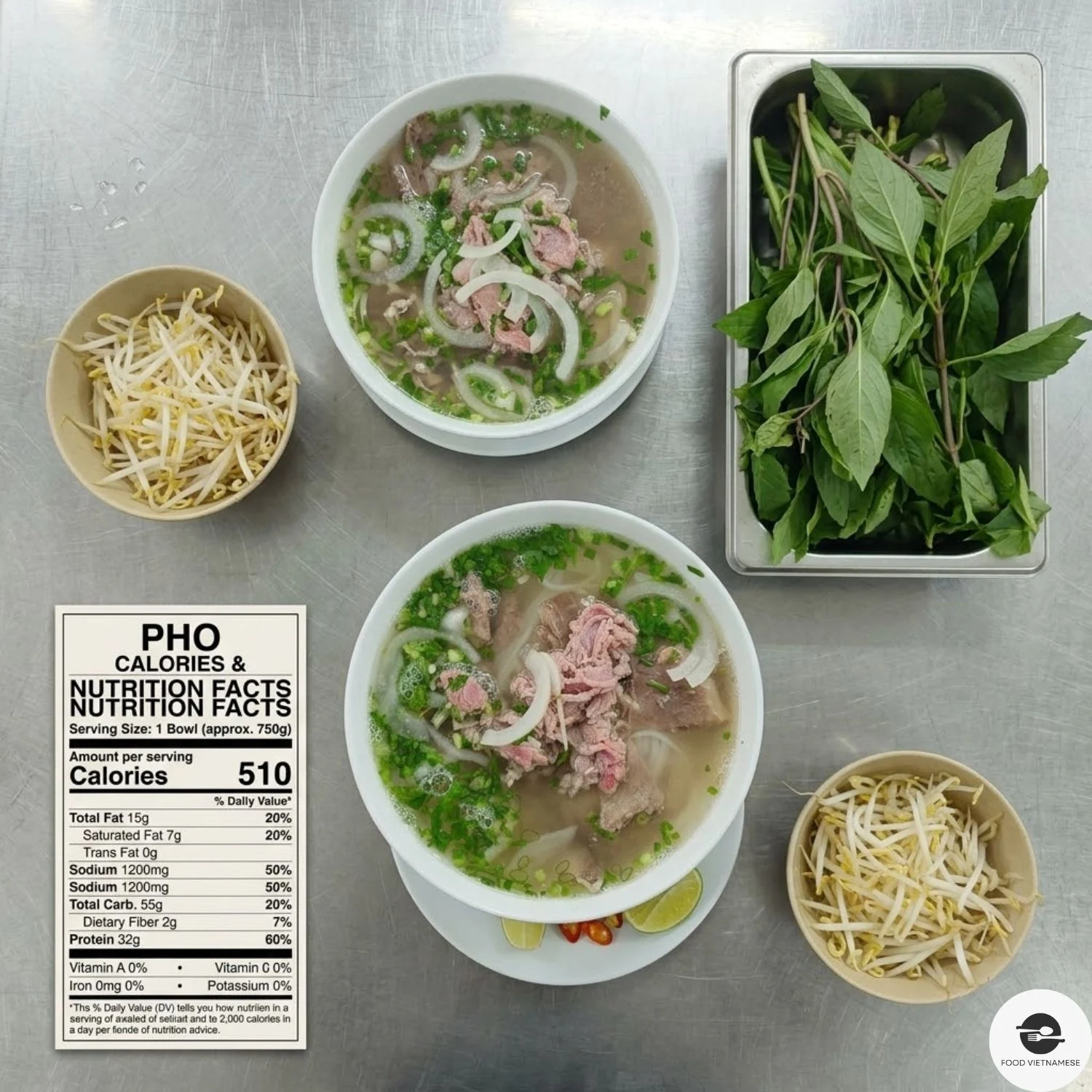
Calories: 350–450 kcal (beef/chicken); 250–350 kcal (vegetarian)
Protein: 20–30 g
Carbohydrate: 40–55 g (mostly from rice noodles)
Fat: 8–15 g, varies most by cut of meat
Sodium: 1,000–1,800 mg — the number most worth watching
Gluten-free: Yes, in its traditional form (rice noodles, no wheat)
Pho gets recommended constantly as “the healthy Vietnamese dish,” and the reputation is mostly earned — but the actual calorie count depends heavily on which pho, what protein, and whose kitchen it came from. This breaks down the real numbers by variant, what drives the calorie range, and how pho stacks up as a health-conscious meal choice.
What’s Actually in a Bowl of Pho
Every bowl starts with three components that don’t change much: a clear broth simmered for hours from bones and aromatics, flat rice noodles (bánh phở), and fresh herbs and lime served on the side. What changes the nutrition profile is the protein and how the broth is made — a long-simmered beef bone broth carries more fat than a lighter chicken broth, and restaurant kitchens don’t always skim it the way a home cook would. Pho is one of the dishes covered in the full guide to pho, which goes into how the broth itself is built.
| Pho Variant | Calories (per bowl) | Protein | Fat |
|---|---|---|---|
| Phở Bò (beef, brisket/round) | 380–450 kcal | 25–30 g | 10–15 g |
| Phở Gà (chicken) | 350–400 kcal | 22–28 g | 8–12 g |
| Phở Chay (vegetarian, tofu/mushroom) | 250–350 kcal | 10–15 g | 5–9 g |
| Phở Tái (rare beef slices) | 370–430 kcal | 26–31 g | 9–13 g |
What Drives the Calorie Range
The cut of meat matters more than the broth itself. Brisket and fatty cuts push both calories and fat higher than lean round steak (tái) or chicken breast; a bowl loaded with brisket and tendon can run 100–150 calories above one built on lean tái slices.
Restaurant portions run larger than home portions. A restaurant bowl often holds 600–750ml of broth and noodles rather than the 500ml standard used for these figures, which can add another 100–150 calories simply from volume, independent of ingredients.
Broth richness varies by kitchen. A broth simmered with more bones, marrow, and less skimming carries noticeably more fat than a leaner version — this is a matter of technique, not a fixed feature of pho itself.
Is Pho Healthy? The Honest Breakdown
What works in pho’s favor: it’s built on lean protein, a broth-based (not fried) cooking method, and a generous serving of fresh herbs, bean sprouts, and lime that add fiber, vitamin C, and volume for very few calories. The rice noodles make it naturally gluten-free, and the protein-to-carb ratio holds up reasonably well against many comfort-food alternatives.
What to watch: sodium is the main concern, often running 1,000–1,800 milligrams per bowl from the broth and any added fish sauce or hoisin at the table — the same consideration covered in the full fish sauce nutrition breakdown. The rice noodles are refined carbohydrate with a relatively high glycemic impact, which matters more for anyone managing blood sugar than for a general audience. And restaurant broths aren’t always transparent about MSG or how much fat was left in, so a homemade bowl gives more control than eating out.
How to Make Pho Lower-Calorie Without Losing the Flavor
Choose lean cuts: tái (rare, lean beef) or chicken breast keep fat lower than brisket, fatty flank, or tendon, without sacrificing the dish’s core flavor, which comes mostly from the broth.
Skim the broth fat: if making pho at home, chilling the broth overnight lets the fat solidify on top for easy removal — a step most restaurants skip but that meaningfully lowers the calorie count.
Load up on herbs and bean sprouts: the fresh garnish plate adds volume, fiber, and nutrients for almost no calories, and eating more of it naturally moderates how much noodle and broth you need to feel satisfied.
Ask for broth on the side or go easy on the table sauces: hoisin and extra fish sauce at the table add sodium and sugar quickly; a squeeze of lime and fresh chili does most of the flavor work without the same cost.
My grandmother judged a good broth by how clear it stayed after hours of simmering — if it clouded, she said the bones were boiled too hard instead of coaxed gently. That same patience is why her pho never sat heavy the way a rushed, boiled-hard version does at some tourist-facing stalls near Bến Thành. Clear broth isn’t just about presentation; it usually means less rendered fat ended up suspended in the liquid, which is the same principle behind why a well-made bowl feels lighter than its ingredient list might suggest.
Kelly Thuy — family kitchen notes, Bình Thạnh, Saigon
Frequently Asked Questions
A standard 500ml bowl of pho bò (beef) or phở gà (chicken) runs roughly 350–450 calories, depending on the cut of meat used and how rich the broth is. Restaurant portions with larger volumes can run higher, closer to 500–600 calories.
Generally yes — it’s built on lean protein, broth rather than frying, and a generous serving of fresh herbs and vegetables. The main consideration is sodium, which can run 1,000–1,800 milligrams per bowl, so it’s worth watching for anyone managing blood pressure.
Pho can fit into a weight-loss plan reasonably well thanks to its protein content and broth-based preparation, but portion size and cut of meat matter — choosing lean protein like chicken breast or tái beef over fatty brisket keeps the calorie count lower.
Traditional pho is naturally gluten-free, since the noodles (bánh phở) are made from rice flour, not wheat. Always confirm with the specific restaurant, as broth seasonings or added sauces occasionally contain gluten.

Related articles
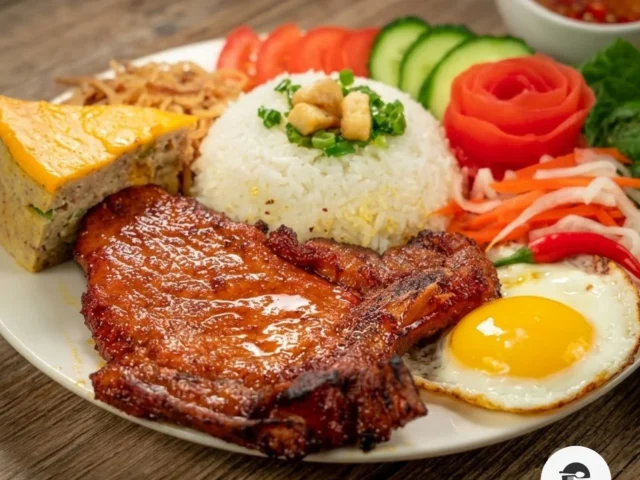
Com Tam Calories: The Rice Isn’t the Problem, the Toppings Are
Com tam calories range from about 500 to 800 per plate, and almost none of that swing comes…
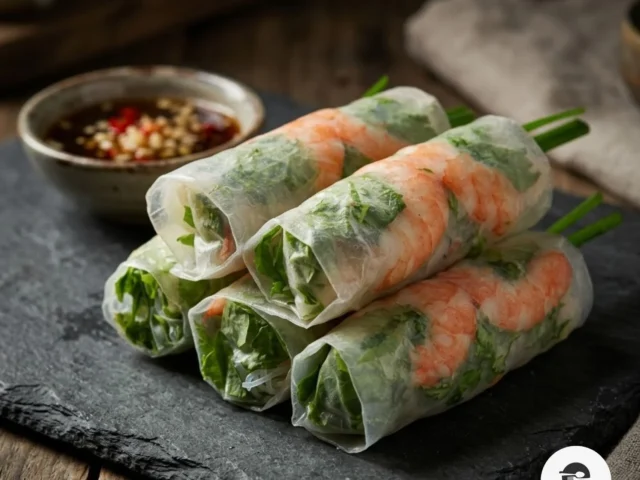
Goi Cuon Calories: The Roll Is Light — the Peanut Sauce Isn’t
Goi cuon calories run surprisingly low for the roll itself — a standard shrimp-and-pork gỏi cuốn comes in…

Banh Xeo Calories: One Pancake, Two Very Different Numbers
Banh xeo calories run about 140–155 per 100 grams across most nutrition databases, but the number that actually…