Table of contents
- What Is Pho Nam Dinh?
- Van Cu – Vietnam’s Oldest Pho-Making Village
- The Sear – What Makes Nam Dinh Pho Different
- The Broth – 14 to 16 Hours Without Stopping
- Wide Noodles – The Visual Signature
- Full Ingredient List
- Flavour Profile
- The Cultural Heritage Story
- How to Eat It the Nam Dinh Way
- Where to Eat It
- Price Reference
- Nutritional Value
- Frequently Asked Questions
- Conclusion
I – Kelly Thuy – arrived in Van Cu on an early winter morning, mist still clinging to the lane leading into the pho-making hamlet. The sound of cleavers hitting cutting boards carried out from several kitchens at once, an uneven rhythm that never quite stopped. The woman running the stall where I sat told me her family had been making pho for four generations – her grandmother, her mother, and now her own daughter, all standing over the same pot each morning. The bowl arrived still steaming, the seared beef carrying a faint char of garlic, the broth noticeably deeper than any bowl I’d had in Hanoi. One spoonful in, I understood why people in Nam Dinh don’t describe this as a regional variation. To them, this is pho in its original form.
— Kelly Thuy
What Is Pho Nam Dinh?
Pho Nam Dinh is not a regional variation of Hanoi pho. According to most food historians, this is where the dish itself took shape before spreading to Hanoi and other cities. The distinction isn’t just naming – it comes down to three specific technical elements: how the beef is prepared, how heavily the broth is seasoned, and the width of the noodles.
| Quick Facts | Details |
|---|---|
| Vietnamese name | Phở bò Nam Định |
| English name | Pho Nam Dinh – The Original Pho from Vietnam’s Birthplace of Pho |
| Origin | Van Cu village, Dong Son commune, Nam Truc district, Nam Dinh province |
| Signature technique | Seared beef (ap chao) with garlic, tomato, onion |
| Broth | Beef bone broth simmered 14–16 hours, heavily fish-sauce seasoned, visible fat sheen |
| Noodles | Wide, hand-rolled and hand-cut – roughly double the width of Hanoi’s machine-cut noodles |
| Condiments | Chili flakes, chili sauce, kumquat, crispy quay |
| Recognition | National Intangible Cultural Heritage (9 August 2024) |
| Restaurant count in Nam Dinh | ~300 pho restaurants, concentrated in Nam Dinh City and Nam Truc district |
Van Cu – Vietnam’s Oldest Pho-Making Village
Following a shop-opening in Hanoi by a cooking master from Van Cu, Nam Dinh-style pho stands started to become known around 1925. Pho then became a widespread dish in the city by 1930. Multiple families in the village have carried the craft through three or four generations, still standing over the same pots each morning following recipes passed down within the family. The Co family surname is among the most well-known lineages of pho makers – to the point that “pho Co” has become shorthand among enthusiasts for authentic Van Cu-style pho.
In 1898, when a major French textile factory was built in Nam Dinh, French workers developed a growing demand for beef – something Vietnamese people rarely ate back then. This led to an abundance of leftover beef bones, which Chinese and Vietnamese vendors began simmering to enrich the broth for “xao trau” (a simple buffalo noodle soup that predated pho). Over time, the broth became richer and more aromatic – believed to be the very first version of pho broth as we know it today.
As workers from Nam Dinh moved to Hanoi to help build the Long Bien Bridge, street vendors followed them north, and pho entered a new chapter of its history.
An elderly man in Van Cu told me, when I asked about the broth’s secret: “There’s no recipe written down for this. It’s passed through the hands. You watch the colour of the water, you smell when it changes, you know by feel when to add the spices. Four generations in my family have made pho, and no two generations made it exactly the same way – but that deep, savoury character has never changed.”
— Kelly Thuy, field notes, Van Cu village, Nam Dinh
The Sear – What Makes Nam Dinh Pho Different
Even at a glance, a bowl of Nam Dinh pho signals something different to anyone used to Hanoi’s version: the beef isn’t simply thin-sliced and blanched rare. It’s often quickly seared in a pan first – a technique called ap chao or tai lan, distinctly local to Nam Dinh and rarely seen in traditional Hanoi pho.
The beef is stir-fried in a very hot pan with crushed garlic, leafy greens, tomato, onion and carrot, then seasoned with pepper, with a splash of pho broth added to soften the meat. After the noodles are blanched, this seared beef is placed on top before the broth is ladled over.
Another distinctive technical detail: rare-style beef in Nam Dinh pho is gently pounded with the back of a knife to tenderise it without breaking the slice apart – producing a softer bite while keeping the piece intact when served.
| Element | Pho Nam Dinh | Pho Hanoi |
|---|---|---|
| Beef preparation | Seared/ap chao common (stir-fried with garlic, tomato, onion); rare beef gently pounded with knife back | Rare/well-done/mixed – thin-sliced along the grain, blanched in hot broth |
| Broth | Heavily fish-sauce seasoned, visible fat sheen | Clearer, lighter, less oily |
| Noodles | Wide, hand-rolled and hand-cut | Thinner, typically machine-cut |
| Condiments | Chili flakes, chili sauce, kumquat, crispy quay | Garlic vinegar, fresh chili – no lime, no chili sauce |
The Broth – 14 to 16 Hours Without Stopping
The broth is the most demanding part of the entire process. Beef marrow bones – sometimes with oxtail added – are simmered continuously from around 2pm the previous day until 6am the following morning, roughly 14–16 hours per batch. Ginger and dried shallots are charred over open flame before being added, contributing aroma and helping clarify the broth – a step that also affects why some pho broths turn cloudy when skimming or timing goes wrong.
The most noticeable difference from Hanoi-style broth: Nam Dinh pho is seasoned much more heavily with fish sauce and carries a distinct oily sheen on the surface, in contrast to Hanoi’s clearer, lighter broth. This heavier seasoning is what gives Nam Dinh pho its deep, unmistakably savoury profile from the very first spoonful.
Wide Noodles – The Visual Signature
Nam Dinh’s rice noodles are wide, typically hand-rolled and hand-cut, roughly double the width of the machine-cut noodles common in Hanoi. This hand-cutting process remains a point of pride for several noodle-making workshops in the province, still done manually rather than by machine.
The wider noodle has a firmer, chewier bite and holds its texture longer in hot broth without softening into mush – suited to the unhurried pace at which locals tend to eat their morning bowl.
Full Ingredient List
| Ingredient | Quantity (4 servings) | Notes |
|---|---|---|
| Beef marrow bones | ~1.5–2kg | Some producers add oxtail for extra sweetness and richness |
| Beef (sirloin/shank/brisket) | ~500g | Split into two portions: thin-sliced for rare, cut for searing |
| Wide rice noodles | ~600g | Hand-rolled preferred; soak in warm water before blanching |
| Ginger, dried shallots | 1 knob / 4–5 bulbs | Charred before simmering with the bones |
| Cinnamon, star anise, cardamom, cloves | Small amounts of each | Toasted, tied in cloth, added for the final 1–1.5 hours |
| Good-quality fish sauce | ~4–5 tablespoons | Heavier seasoning than Hanoi-style broth – the defining flavour note |
| Garlic, tomato, onion, leafy greens | To taste | Used specifically for the beef-searing step |
| Spring onion, coriander | To taste | Sprinkled on to finish |
| Chili flakes, chili sauce, kumquat, quay | Served alongside | The Nam Dinh-style condiment set |
Flavour Profile
| Layer | Description | Source |
|---|---|---|
| Pronounced savoury depth | A noticeably saltier, more savoury profile from the very first spoonful, deeper than Hanoi-style broth | Fish sauce seasoned heavily into the broth |
| Light richness from the fat sheen | A thin oily layer on the surface gives the broth a rounder, fuller mouthfeel without becoming greasy | Long-simmered marrow rendering fat naturally |
| Garlic-charred aroma | The scent of lightly caramelised garlic from the searing step, mingling with just-cooked beef | Seared beef with crushed garlic |
| Firm, chewy noodle bite | The wide noodles hold their texture even after extended time in hot broth | Traditional hand-rolled rice noodles |
| Optional sour-spicy layer | Mild tartness from kumquat, heat from chili sauce or chili flakes, as added by the diner | Side condiments |
The Cultural Heritage Story
On 9 August, Minister of Culture, Sports and Tourism Nguyen Van Hung signed Decision No. 2326/QD-BVHTTDL, officially adding “Folk Knowledge of Pho Nam Dinh” to the National List of Intangible Cultural Heritage. Notably, Hanoi pho and the craft of making mi Quang noodles were recognised in the same decision – not as a competition over which is the “authentic” version, but as parallel recognition of two culinary lineages tied to the same dish.
To qualify as intangible cultural heritage, pho Nam Dinh had to meet several criteria: representativeness reflecting community and local identity; reflection of cultural diversity and human creativity, passed down across generations; resilience and long-term viability; and community consensus with a commitment to safeguarding the practice.
This recognition is considered a preliminary step for the Vietnamese government to submit pho Nam Dinh to UNESCO for consideration on the Representative List of the Intangible Cultural Heritage of Humanity.
How to Eat It the Nam Dinh Way
- Eat it hot, straight away – the fish-sauce depth in the broth is most pronounced while it’s still steaming
- Add chili flakes or chili sauce to taste – unlike Hanoi purists, who typically stick to garlic vinegar alone
- Squeeze in kumquat – the sour note balances the broth’s depth; not the taboo it would be in a traditional Hanoi bowl
- Order a side of crispy quay – dip it in the broth or eat it separately for textural contrast against the soft noodles
- Try the seared beef version if you want the clearest expression of what makes this pho distinctly Nam Dinh
- Taking leftovers home – broth and noodles keep separately better than combined; see how to reheat pho without losing the broth’s depth or turning the noodles mushy
Where to Eat It
In Nam Dinh
- Van Cu village, Dong Son commune, Nam Truc district – the source itself, with multiple families who have made pho across 3–4 generations.
- Nam Dinh City – home to the majority of the province’s roughly 300 pho restaurants, many long-established family stalls tucked into narrow alleys with no elaborate signage.
- Nam Truc district – the second-highest concentration of pho stalls, close to the traditional pho-making villages.
Outside Nam Dinh
- Hanoi – several Nam Dinh-origin pho shops operate here, typically labelled “pho gia truyen Nam Dinh” (traditional family Nam Dinh pho) or the family surname (such as “pho Co”) on their signage. Shops tucked into small alleys generally offer an experience closer to the original than those on major commercial streets.
Price Reference
Current reference prices, subject to change by location and time.
| Location | Approximate price | Notes |
|---|---|---|
| Sidewalk/alley stalls in Nam Dinh | ~30,000–45,000 VND per bowl | Local everyday pricing; quality is typically excellent |
| Restaurants in Nam Dinh City | ~40,000–60,000 VND per bowl | More comfortable seating, larger portions |
| Nam Dinh-origin shops in Hanoi | ~50,000–80,000 VND per bowl | Higher due to urban operating costs |
Nutritional Value
Estimated based on primary ingredients. No independently verified nutritional analysis of pho Nam Dinh specifically has been published – values vary with beef and noodle quantity per bowl. For a broader breakdown across pho styles, see our full pho calories and nutrition facts guide.
| Nutrient | Estimated value / bowl (~500–600ml) |
|---|---|
| Energy | ~450–550 kcal |
| Protein | ~25–32g (from beef and simmered bones) |
| Carbohydrates | ~55–65g (from rice noodles) |
| Total fat | ~12–18g (from beef fat and searing oil) |
| Sodium | Relatively high, given the heavier fish-sauce seasoning discussed above – see is fish sauce healthy for a full sodium and calorie breakdown |
Frequently Asked Questions
What is pho Nam Dinh?
The original Vietnamese pho, originating from Van Cu village, Nam Truc district. Broth simmered 14–16 hours, heavily fish-sauce seasoned with a fat sheen; beef seared with garlic, tomato and onion; wide hand-rolled noodles. National Intangible Cultural Heritage since 9 August 2024.
Is Nam Dinh really the birthplace of pho?
Widely credited as such by researchers and government recognition, the dish taking shape around 1900. Van Cu pho makers later migrated to Hanoi and opened shops from around 1925, spreading the dish widely there. Nam Dinh is generally seen as where the dish originated; Hanoi as where it became a widespread restaurant trade.
How is it different from Hanoi pho?
Four main differences: seared beef (vs simple rare/well-done), heavier fish-sauce broth with a fat sheen (vs clear and light), wide hand-rolled noodles (vs thinner machine-cut), and a fuller condiment set (chili, kumquat, quay vs garlic vinegar only).
When was it recognised as heritage?
9 August 2024 – Vietnam’s Ministry of Culture, Sports and Tourism recognised “Folk Knowledge of Pho Nam Dinh” as National Intangible Cultural Heritage, alongside Hanoi pho and mi Quang.
Where to eat the most authentic version?
Van Cu village, Dong Son commune, Nam Truc district – the source itself. Nam Dinh City has around 300 pho restaurants. Several origin brands have also opened in Hanoi, typically labelled with their Nam Dinh provenance.
Conclusion
Calling Nam Dinh pho a “variation” gets the history backwards. Before there were famous pho shops on Hanoi’s Old Quarter streets, there were pots simmering overnight in Van Cu kitchens, where four generations of the same family have stood in the same spot doing the same work each morning.
If you find yourself in Nam Dinh, look for a shop with no sign, tucked into a narrow alley. Order the seared beef version with full toppings, add a dash of chili sauce and squeeze in some kumquat the way locals do. That is the closest you’ll get to tasting pho in something close to its original form. The same Red River Delta patience shows up elsewhere in the region too – in the twenty-ingredient broth behind Hung Yen’s bun thang luon, or the crab-and-tamarind depth of Hai Phong’s banh da cua.

Related articles
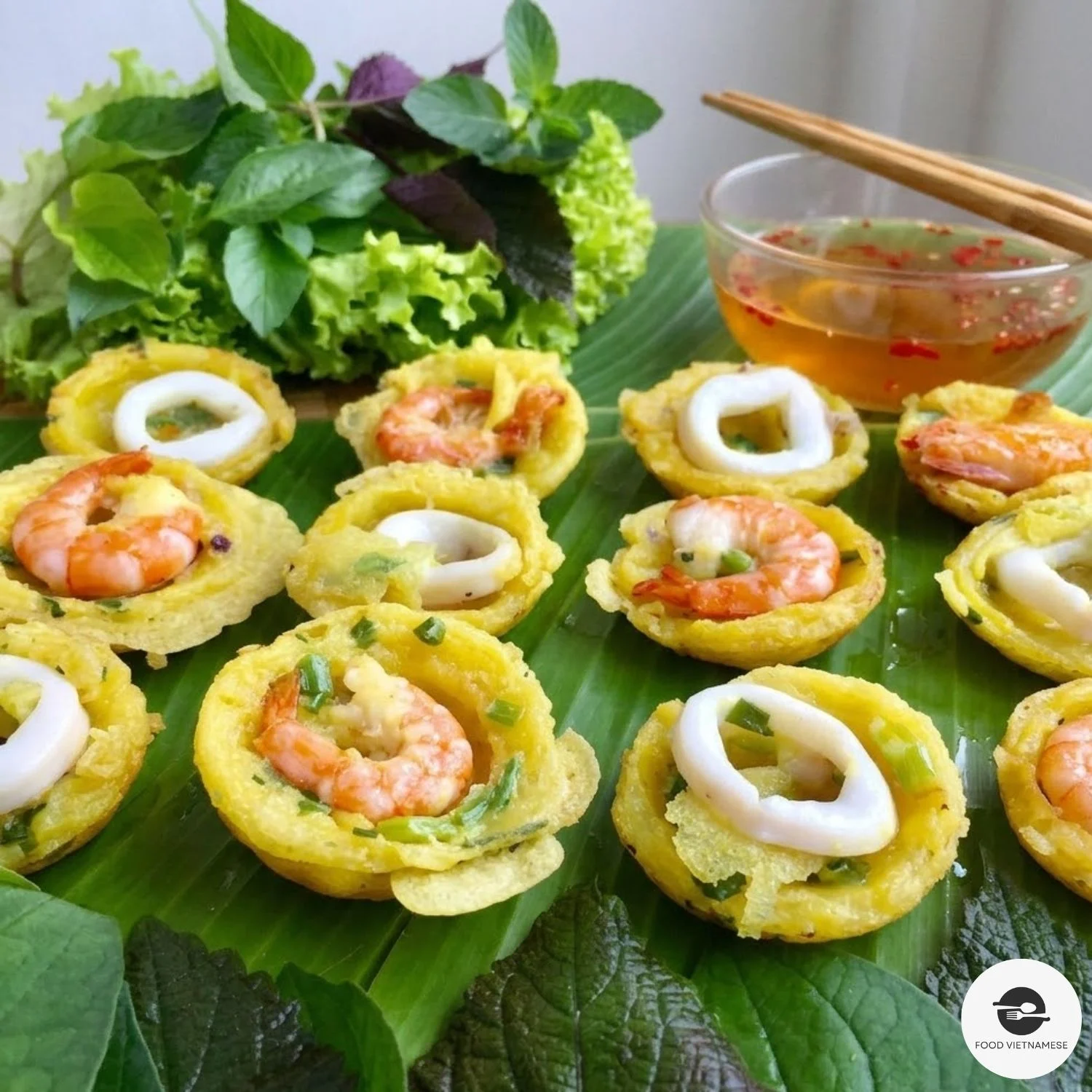
Banh Khot: Vung Tau’s Crispy-Edged Answer to Banh Xeo
Banh Khot is a Vietnamese mini savory pancake from the coastal city of Vung Tau — a rice…
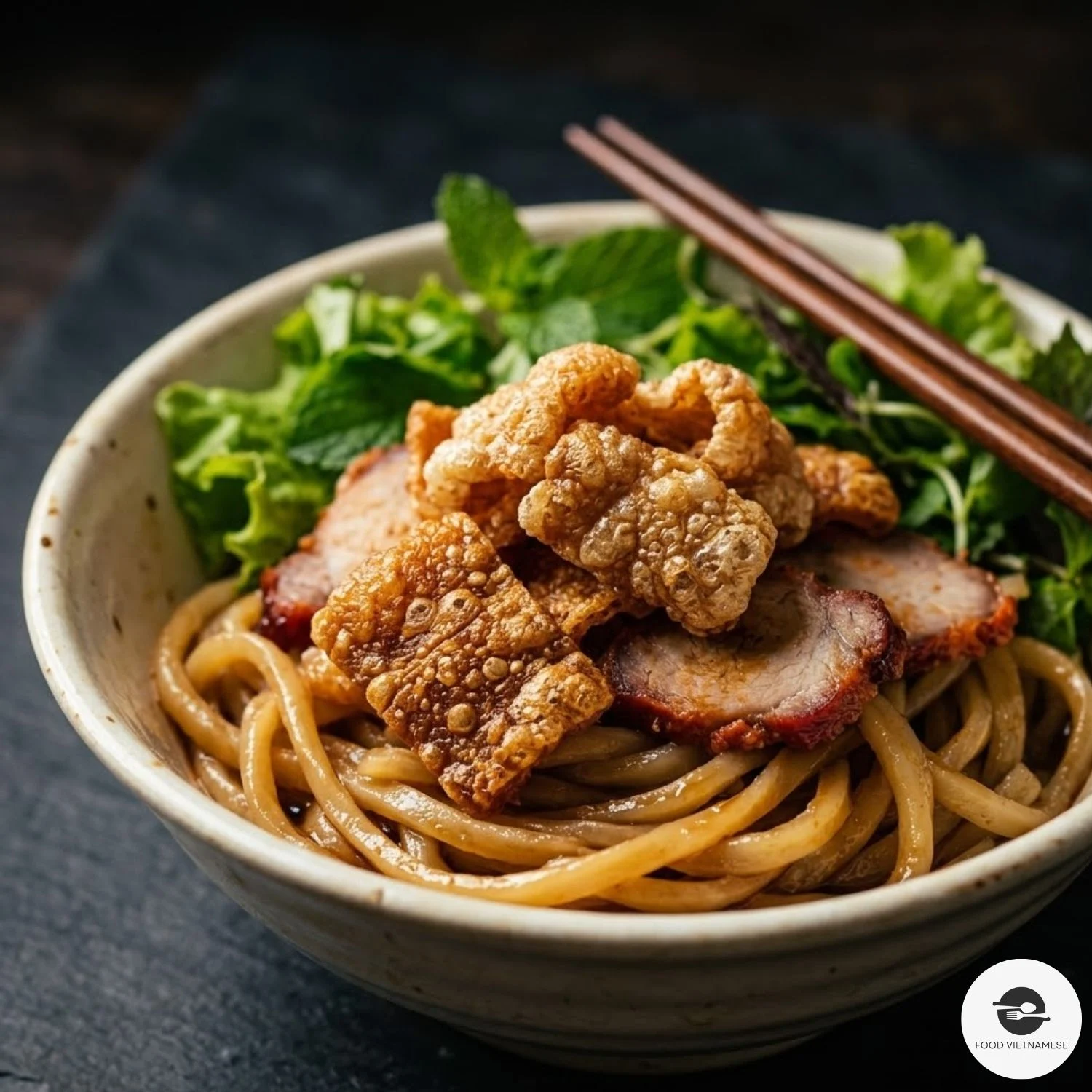
Cao Lau: The Hoi An Noodle Dish That Cannot Be Made Anywhere Else
Cao Lau is a noodle dish found exclusively in Hoi An, Central Vietnam — thick, chewy rice noodles…
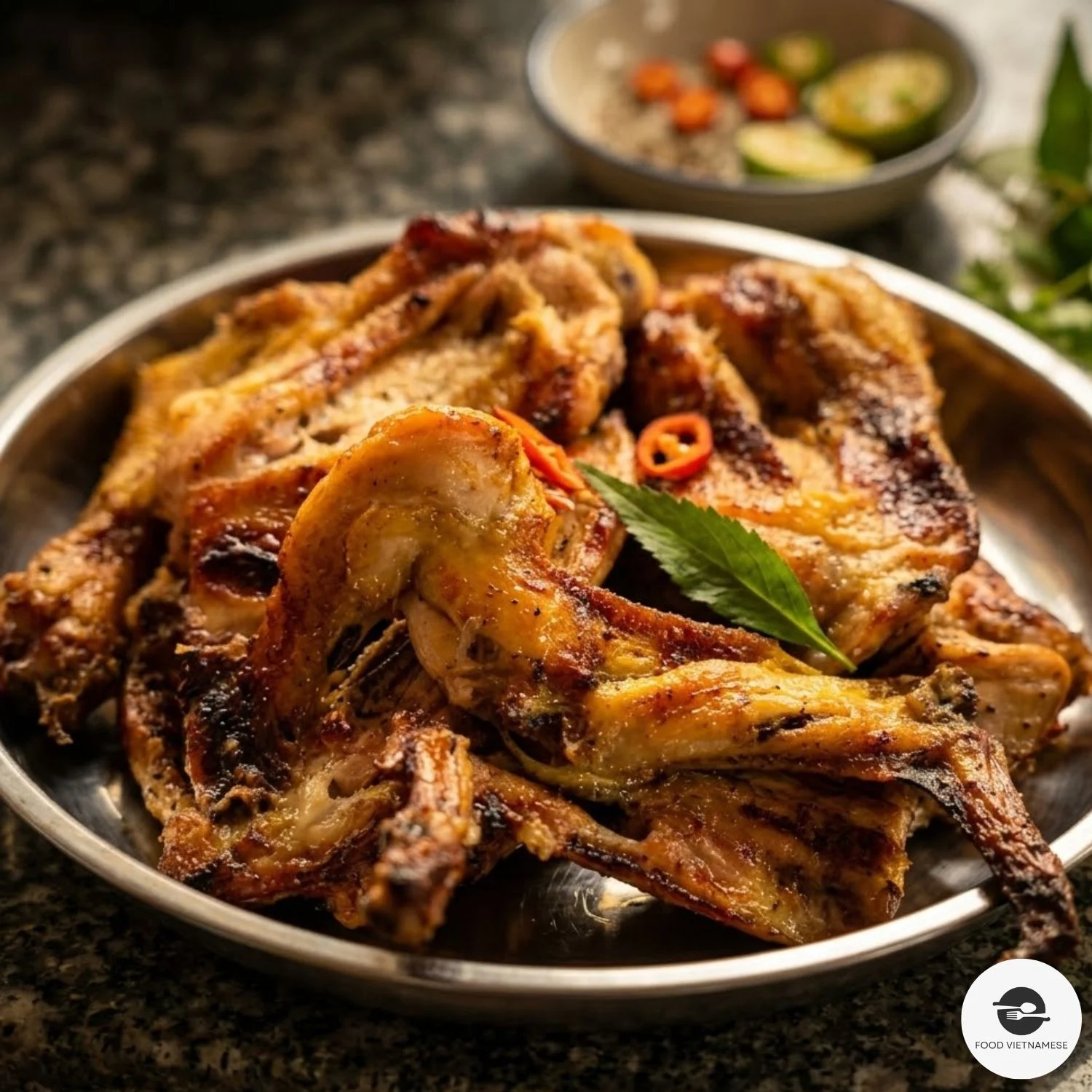
Ga Nuong Song Cau – Where Ordering Chicken Means Pointing at One in the Yard
Ga nuong Song Cau is a specialty of Song Cau town, Phu Yen province: free-range chicken (ideally young,…