Table of contents
Closest match: Apple cider vinegar, 1:1, no adjustment needed
Also close: White wine vinegar or champagne vinegar, 1:1
In a pinch: White distilled vinegar, ¾ the amount, plus a pinch of sugar
Different but workable: Fresh lime or lemon juice, roughly 1:1, adds citrus notes
Rice vinegar acidity: Roughly 4–4.5%
White vinegar acidity: Roughly 5%, sometimes higher depending on the brand
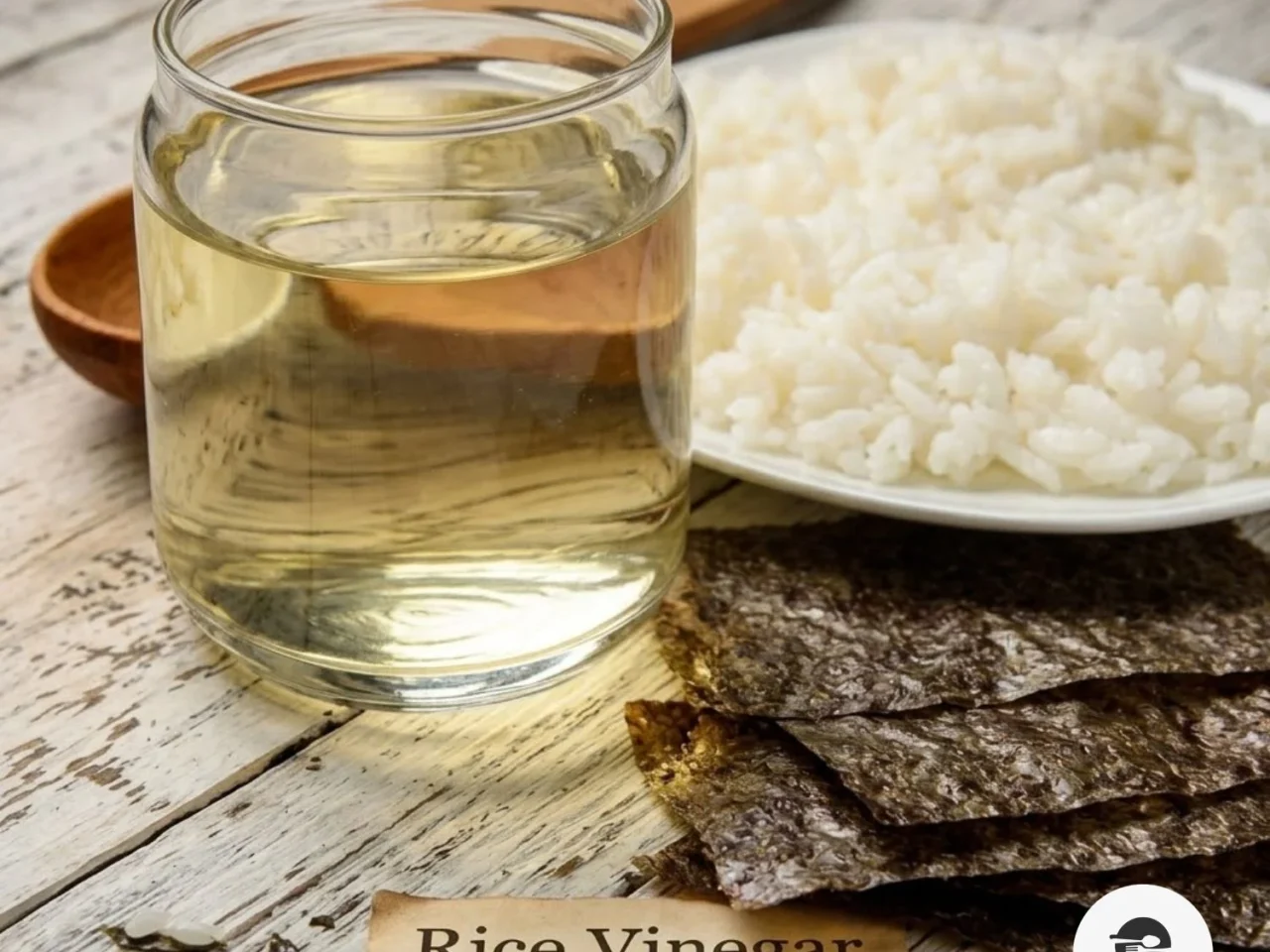
If a recipe on this site — or any Vietnamese recipe — calls for rice vinegar and your pantry doesn’t have it, the fix depends on what the vinegar is actually doing in that dish. Here’s what genuinely works, and what changes the result enough to notice.
Apple Cider Vinegar Is the Closest Match
Apple cider vinegar sits at roughly the same acidity as most cooking vinegars, around 5%, but the flavor is what makes it the best stand-in: it’s mellow and a little fruity rather than sharp, which lines up with rice vinegar’s own mild character far better than plain white vinegar does. Use it 1:1, no sugar or dilution needed. It carries a slightly more noticeable fruit note than rice vinegar does, but in a dressing, a quick pickle, or a dipping sauce, that difference mostly disappears once it’s mixed with everything else. This is the substitute worth reaching for first.
White Vinegar Works, But It Needs Help
Plain white distilled vinegar is the substitute people already have most often, and it can work — it’s just harsher on its own. Rice vinegar’s acidity runs around 4–4.5%, while white vinegar is typically closer to 5% and carries none of rice vinegar’s residual sweetness. Straight swapping it in makes a dish taste noticeably more sour and one-dimensional. The fix is simple: use about ¾ the amount of white vinegar called for, and stir in a small pinch of sugar to bring back some of what rice vinegar naturally has. For every teaspoon of rice vinegar a recipe calls for, that’s roughly ¾ teaspoon white vinegar plus a scant ¼ teaspoon sugar.
White Wine Vinegar or Champagne Vinegar
Both of these sit in a similar gentle family to rice vinegar — noticeably softer than white distilled vinegar, without needing a sugar correction. White wine vinegar is a touch sharper than rice vinegar but still usable 1:1 in most savory applications. Champagne vinegar is even closer in delicacy and works well in lighter dressings where you don’t want the vinegar to announce itself. Neither is a pantry staple in most households, so this option matters more if you happen to have one already than as something worth buying specifically for a single recipe.
Lemon or Lime Juice Changes the Character a Little
Citrus juice brings real acidity and works in a genuine pinch, but it’s not a flavor-neutral swap — you’re trading fermented sourness for fresh, bright citrus, and the two aren’t interchangeable in every context. Use it roughly 1:1, tasting as you go since citrus acidity varies more than vinegar’s does bottle to bottle. This tends to work best in dressings and dipping sauces where a citrus note already belongs, less well in anything meant to taste specifically fermented, like a longer-sitting pickle.
| Substitute | Ratio | Adjustment needed |
|---|---|---|
| Apple cider vinegar | 1:1 | None |
| White wine vinegar | 1:1 | None, slightly sharper |
| Champagne vinegar | 1:1 | None |
| White distilled vinegar | ¾ the amount | Add a pinch of sugar |
| Lemon or lime juice | ~1:1 | Taste and adjust; different flavor |
Where This Actually Matters in Vietnamese Cooking
Rice vinegar shows up most often in Vietnamese kitchens in đồ chua, the quick-pickled carrot and daikon served alongside bánh mì and grilled meats — some versions call specifically for rice vinegar’s milder edge so the pickle doesn’t turn harshly sour, while others use plain white vinegar from the start. If a đồ chua recipe calls for rice vinegar and you’re using white vinegar instead, that’s exactly the situation where cutting the amount and adding a little extra sugar matters, since the pickling liquid is doing most of the flavor work in that dish rather than being balanced out by other ingredients the way it would be in a marinade or braise.
When Not to Bother Substituting
In a dish where vinegar is mostly there to cut through richness or balance a sauce with a lot of other strong flavors — fish sauce, garlic, chili — almost any of these substitutes disappears into the background well enough that it’s not worth overthinking. Where it’s worth being more careful is anything where the vinegar itself is the main flavor on display: a light dressing, a delicate dipping sauce, or a quick pickle eaten within a day or two. In those cases, apple cider vinegar or a properly sugar-adjusted white vinegar are the only two options worth using; skip the citrus juice there, since its flavor is distinct enough to notice. Rice vinegar tends to go missing from a pantry alongside a few other Vietnamese staples — if fish sauce is also out, that’s worth checking before you start cooking rather than mid-recipe.
I ran out of rice vinegar halfway through making đồ chua once and grabbed white vinegar without thinking to adjust anything. The daikon came out sharp enough that it overpowered the pork in the bánh mì I made with it later that week, instead of sitting quietly in the background the way it’s supposed to. A small pinch of sugar the second time around fixed it completely — such a minor adjustment for how much it mattered.
Kelly Thuy — field notes, Ho Chi Minh City
Frequently Asked Questions
Apple cider vinegar is the closest match, used in a straight 1:1 ratio with no adjustment needed. It shares rice vinegar’s mild, slightly fruity character much more closely than plain white vinegar does.
Yes, but not in a straight swap. Use about ¾ the amount of white vinegar called for and add a small pinch of sugar, since white vinegar is more acidic and has none of rice vinegar’s natural sweetness.
Yes, roughly 1:1, though it changes the flavor from fermented sourness to fresh citrus. It works well in dressings and dipping sauces but is less ideal for pickles meant to taste distinctly fermented.
No. Rice vinegar is fermented further into an acidic vinegar, while rice wine (like mirin or cooking sake) retains alcohol and sweetness without the same acidity. They aren’t interchangeable in most recipes.

Related articles
Perilla Leaf Substitute: Why Vietnamese Tía Tô Isn’t the Korean Kind
Most perilla leaf substitute guides are really answering a Korean cooking question — kkaennip, used whole as a…
Shrimp Paste Substitute: What Works, and Which Paste a Recipe Actually Means
A shrimp paste substitute is easy enough for most recipes — fish sauce, anchovy paste, or miso all…

Palm Sugar Substitute: What Works, and Why Vietnamese Kitchens Reach for the Real Thing
Palm sugar substitute options are easy to find — light brown sugar, coconut sugar, and jaggery all work…