
Table of contents
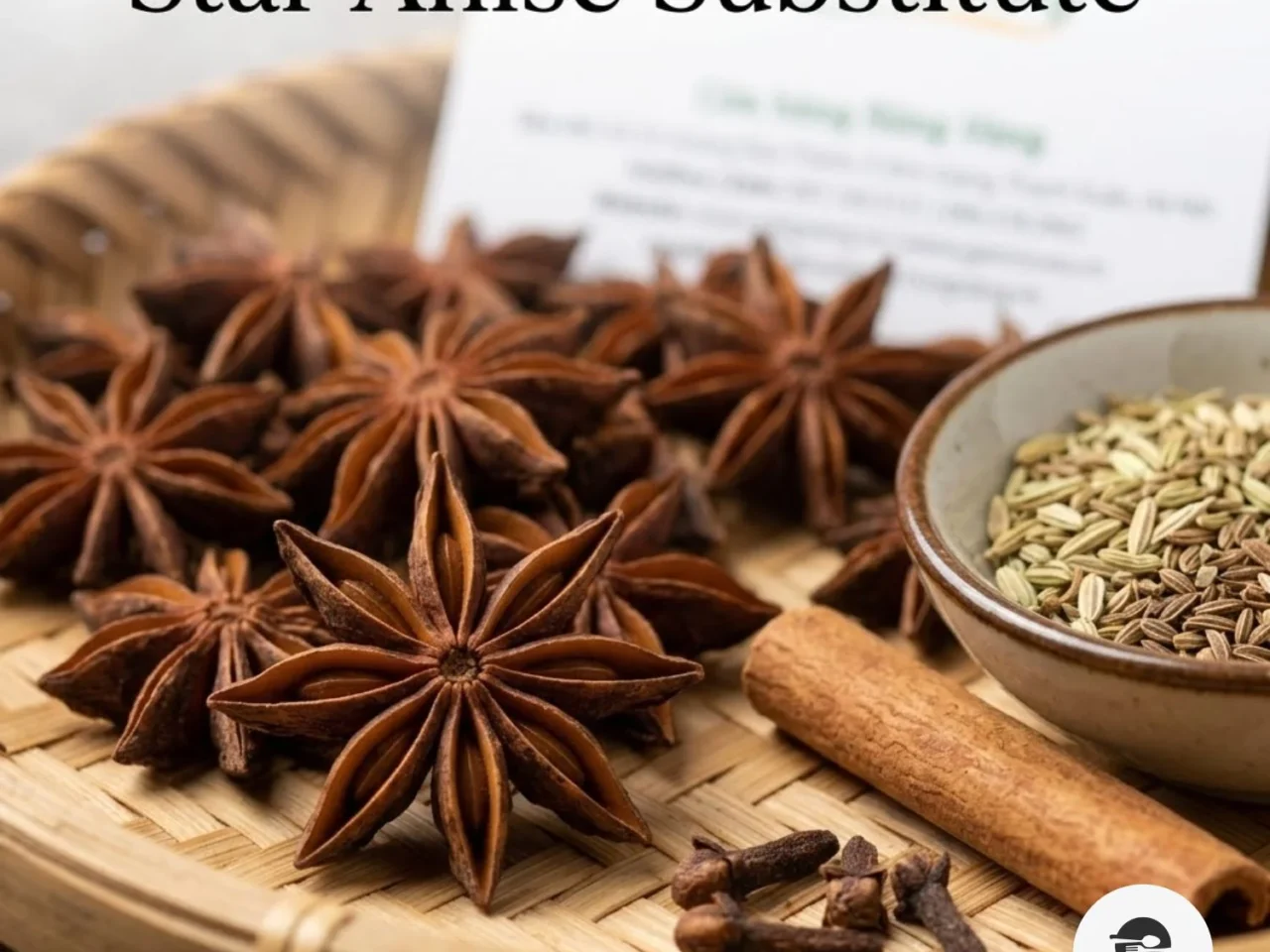
Closest match: Chinese five-spice powder — ½ teaspoon per whole star anise pod
Second option: Anise seed — ½ teaspoon per pod, milder than star anise
In a pinch: Fennel seed — ¼–½ teaspoon per pod, more piney than licorice-forward
Shared flavor compound: Trans-anethole, present in all three, roughly 90% of the flavor
Where substitutes struggle most: Pho broth, where taste-testers in side-by-side comparisons could pick out the swap
Not a real substitute: Allspice or cloves — warm and aromatic, but no licorice character at all
If you’re mid-recipe and just discovered the star anise jar is empty, the fix depends on what you’re making. Here’s what actually works, ranked by how close each one lands, plus an honest note about the one dish where none of them quite disappear.
Chinese Five-Spice Powder Is the Closest You’ll Get
This is the strongest option for a simple reason: star anise is already one of its ingredients, usually blended with cinnamon, cloves, fennel seed, and Sichuan pepper. Swapping in five-spice powder means you’re not really replacing star anise’s flavor so much as diluting it into a wider spice mix. Use about ½ teaspoon of five-spice powder per whole star anise pod a recipe calls for. The tradeoff is that you’re also adding cinnamon, clove, and Sichuan pepper notes along with it, which works fine in a braise or marinade built around warm spices, but changes the profile more than a straight one-for-one swap in something delicately seasoned.
Anise Seed: Related in Name, Not in Botany
Despite the shared name, anise seed and star anise come from unrelated plants — anise seed is the fruit of Pimpinella anisum, while star anise is the pod of an evergreen tree native to China and Vietnam. What they do share is trans-anethole, the compound responsible for licorice flavor in both, which is why anise seed is the most reasonable flavor stand-in on this list. It’s noticeably milder and more purely “licorice-y,” without star anise’s herbal, slightly woody undertone. Start with ½ teaspoon of anise seed per whole star anise pod and taste before adding more — it’s easier to add than to pull back once a broth or braise has been simmering.
Fennel Seed Works, But the Flavor Drifts
Fennel seed carries the same trans-anethole backbone, but its secondary notes lean piney and slightly camphor-like rather than warm and woody, which is a more noticeable departure from star anise than anise seed is. It’s a reasonable emergency option at ¼ to ½ teaspoon per whole pod, and it happens to already be a supporting player in most pho spice blends alongside star anise and coriander seed — so using a bit more of it isn’t as jarring as introducing an unrelated spice. On its own, though, it reads as a different flavor to anyone who knows what star anise actually tastes like.
What Doesn’t Work: Allspice and Cloves
Both get suggested online, and both are worth being skeptical of. Neither allspice nor cloves carries any licorice character at all — what they offer is warmth and a general “holiday spice” aromatic quality, which can round out a dish but doesn’t replicate what star anise is actually doing. They’re worth reaching for only if the goal is general warm spice depth rather than star anise’s specific flavor, and even then, a small pinch goes a long way since both are far more assertive than star anise pod for pod. If your pantry gap doesn’t stop at star anise, a rice vinegar substitute follows a similar logic — match the underlying character first, then adjust for what’s different about it.
| Substitute | Ratio (per whole star anise pod) | Flavor match |
|---|---|---|
| Chinese five-spice powder | ½ teaspoon | Closest overall, but adds other spice notes |
| Anise seed | ½ teaspoon, adjust to taste | Milder, purely licorice, no woody undertone |
| Fennel seed | ¼–½ teaspoon | Piney and camphor-like, noticeably different |
| Allspice or cloves | Small pinch | No licorice note; warmth only |
Why Pho Specifically Doesn’t Hide a Substitute Well
Star anise is what most people would call pho’s defining spice — it’s largely responsible for the broth’s sweet, slightly bitter aroma, simmered alongside cinnamon, black cardamom, cloves, and usually coriander and fennel seed. Pho isn’t built around star anise alone; it’s more of an ensemble of spices working together, which is exactly why swapping out one piece of that ensemble is noticeable rather than invisible. In controlled taste tests comparing star anise, anise seed, and fennel seed side by side in dishes including pho, tasters were able to pick out the difference without much trouble. That doesn’t mean a substitute ruins the broth — plenty of home cooks make do with what’s on hand — but it does mean the result will taste like a variation on pho, not quite the same broth you’d get with the real spice.
If You’re Out Mid-Recipe
For a braise, marinade, or anything with a lot of other strong flavors already in play — soy sauce, ginger, garlic — five-spice powder is the easiest fix and the one most likely to go unnoticed. For a broth like pho where the spice blend itself is the star of the dish, anise seed is the more honest substitute, since at least you’re not introducing cinnamon and clove flavors that weren’t part of the original recipe. Either way, add whichever substitute in stages and taste as you go rather than dumping in the full converted amount at once — it’s much easier to add more than to fix a broth that’s gone too far in one direction. If the broth comes out cloudy on top of tasting different, that’s a separate issue with the simmer itself rather than anything to do with which spice you used.
I once ran out of star anise halfway through simmering a pho broth and reached for fennel seed instead, mostly out of desperation since it was already in the pot from the original spice mix. The broth still tasted good, genuinely, but it tasted like a good broth that wasn’t quite pho — my mother-in-law took one sip and asked, without any prompting, what I’d changed. She couldn’t say what exactly, just that something was off. That’s the closest thing to proof I’ve had that star anise really is doing something the other spices in that pot can’t cover for.
Kelly Thuy — field notes, Ho Chi Minh City
Frequently Asked Questions
Chinese five-spice powder is the closest match since it already contains real star anise, used at about ½ teaspoon per whole pod. Anise seed is the next-best option if you want to avoid the extra cinnamon and clove notes five-spice powder brings along.
Yes, at roughly ½ teaspoon per whole star anise pod, tasting and adjusting as you go. Anise seed shares the same core licorice compound but is milder and lacks star anise’s woody, herbal undertone.
It’s workable since fennel seed is already part of most pho spice blends, but on its own it tastes noticeably more piney than star anise’s licorice-forward flavor. It’s a reasonable emergency option, not a seamless swap.
You can, but the broth will taste noticeably different — star anise is generally considered pho’s defining spice. If you have none of the substitutes on hand, the broth will still be edible, just further from traditional pho’s flavor than any of the swaps above.

Related articles
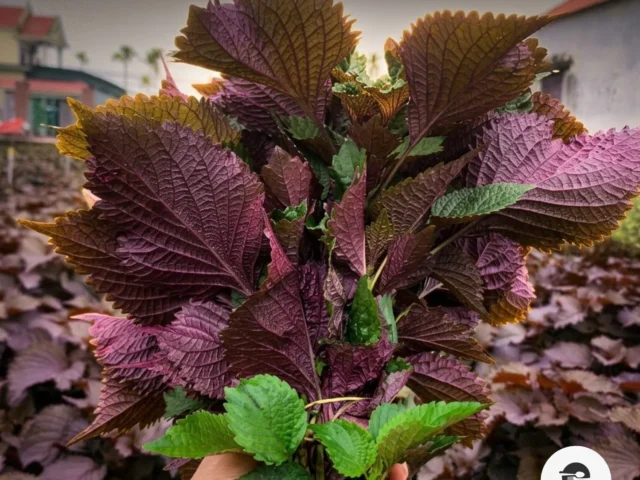
Perilla Leaf Substitute: Why Vietnamese Tía Tô Isn’t the Korean Kind
Most perilla leaf substitute guides are really answering a Korean cooking question — kkaennip, used whole as a…
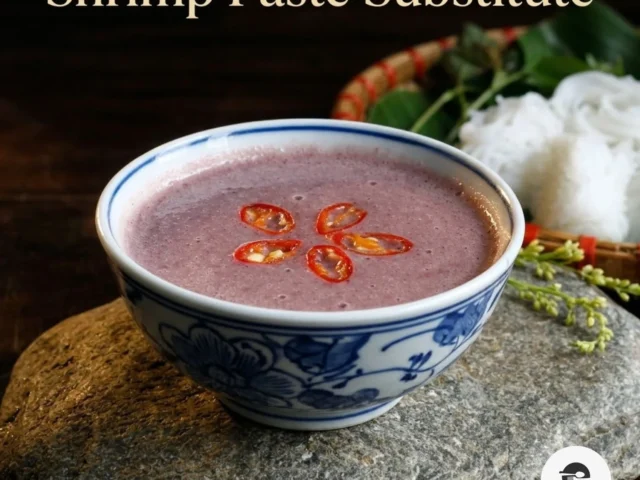
Shrimp Paste Substitute: What Works, and Which Paste a Recipe Actually Means
A shrimp paste substitute is easy enough for most recipes — fish sauce, anchovy paste, or miso all…
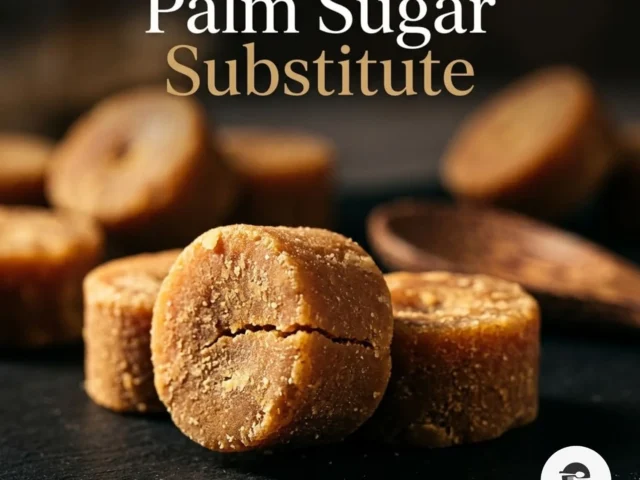
Palm Sugar Substitute: What Works, and Why Vietnamese Kitchens Reach for the Real Thing
Palm sugar substitute options are easy to find — light brown sugar, coconut sugar, and jaggery all work…