Table of contents
Botanical name: Persicaria odorata
Plant family: Polygonaceae (buckwheat family) — unrelated to cilantro
Also called: Rau răm, laksa leaf, Vietnamese mint (a misnomer)
Flavor: Peppery, citrusy, more pungent than cilantro, holds up to heat
Best substitute: Fresh mint + cilantro, roughly 1:1
Simplest substitute: Cilantro with a pinch of cracked black pepper
Rau răm shows up constantly in Vietnamese cooking — in salads, alongside balut, stirred into sour soup — and its English name causes real confusion for anyone trying to substitute it, since “Vietnamese coriander” sounds like it should behave like coriander leaf (cilantro). It doesn’t. This covers what rau răm actually is, how it genuinely compares to cilantro, and which substitutes come closest for which dish.
What Is Vietnamese Coriander, Exactly?
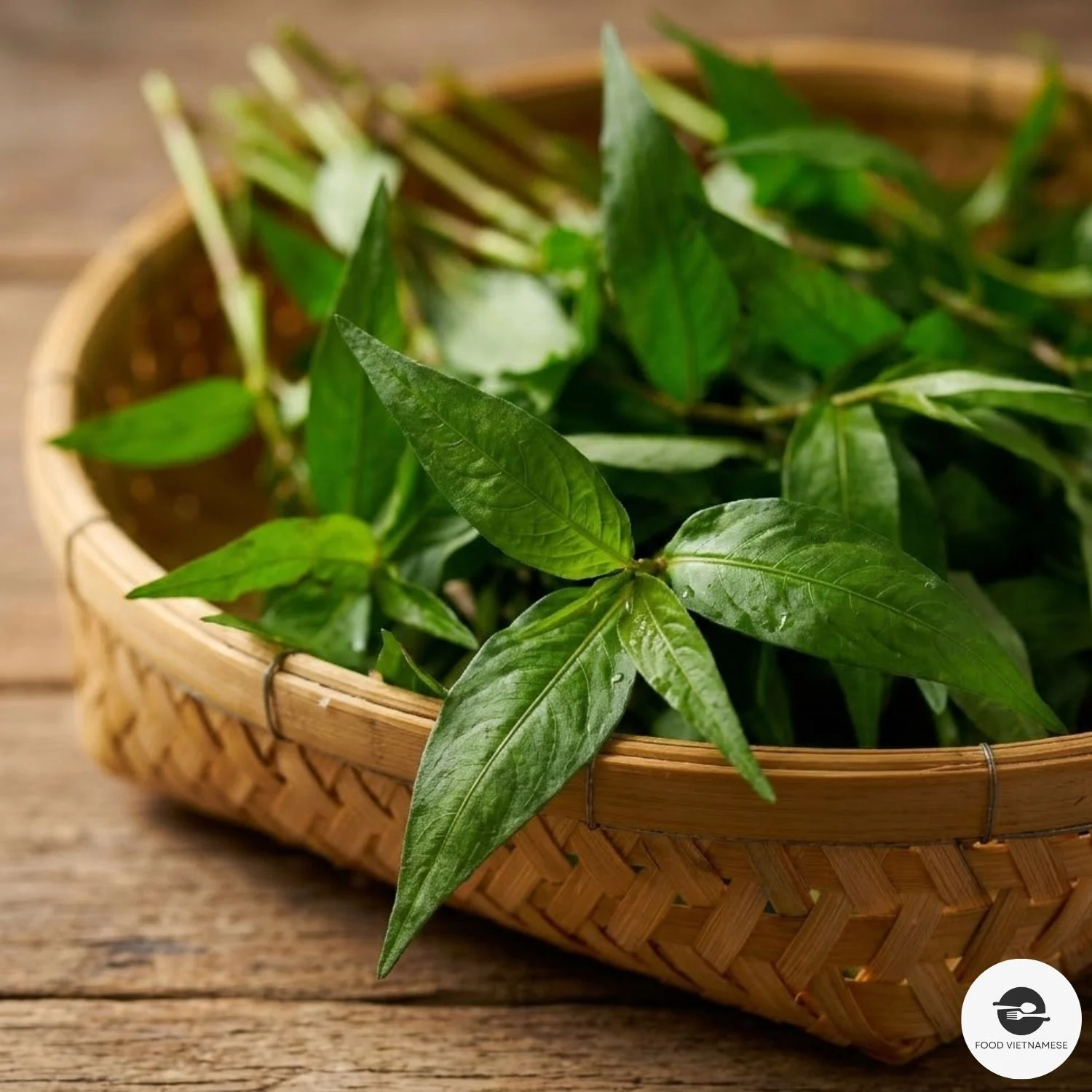
Vietnamese coriander is the common English name for Persicaria odorata, a creeping, perennial herb native to Southeast Asia with narrow, lance-shaped leaves marked with dark purple-burgundy patches near the stem. It belongs to the Polygonaceae family — the same family as buckwheat and knotweed — which puts it nowhere near cilantro (Coriandrum sativum, in the carrot family, Apiaceae) on the plant family tree. The “coriander” in its English name traces back to its flavor, not its botany: early Western traders and colonists in Southeast Asia noted a citrusy note reminiscent of coriander leaf and the name stuck, despite the plants being unrelated.
In Vietnamese cooking, rau răm appears fresh and raw far more often than cooked, though unlike cilantro, it holds its flavor and doesn’t wilt or turn bitter when added to hot dishes — a real functional difference, not just a taste preference.
Vietnamese Coriander vs Cilantro: Why They’re Not Interchangeable
| Feature | Vietnamese Coriander (Rau Răm) | Cilantro |
|---|---|---|
| Botanical family | Polygonaceae | Apiaceae |
| Flavor | Peppery, citrusy, more pungent | Citrusy, milder, sometimes soapy to some tasters |
| Behavior when cooked | Holds flavor, doesn’t wilt quickly | Loses flavor and wilts fast when heated |
| Leaf shape | Narrow, lance-shaped, purple markings | Broad, rounded, scalloped edges |
| Common in | Vietnamese, Cambodian, Malaysian/Singaporean (laksa) cooking | Vietnamese, Mexican, Indian, Middle Eastern cooking |
The practical takeaway: cilantro alone is a reasonable stand-in for rau răm’s citrus note, but it misses the peppery heat entirely, and it won’t hold up the same way in a hot broth. That gap is exactly why most substitutes below combine cilantro with something else rather than using it alone.
The Best Rau Răm Substitutes, Ranked
| Substitute | Ratio | Best for |
|---|---|---|
| 1. Mint + cilantro (1:1) | Equal parts, roughly chopped | Salads (gỏi), fresh spring roll fillings |
| 2. Cilantro + cracked black pepper | Cilantro to taste + pinch of pepper | Quick, single-herb swaps |
| 3. Mint alone | 1:1 | Cooling contrast dishes, balut pairing |
| 4. Perilla (tía tô) | 1:1, milder amount | Soups, dishes wanting a different aromatic edge |
| 5. Watercress | 1:1 | Salads needing a peppery bite |
1. Mint + Cilantro (Closest All-Around Match)
This combination approximates rau răm better than any single herb, since it splits the job the way rau răm does naturally — mint supplies the cooling, slightly sharp aromatic quality, and cilantro supplies the citrus note. Roughly chop equal parts of each and use as you would rau răm. It won’t replicate the peppery bite exactly, but it’s the closest widely available option for salads and fresh rolls.
2. Cilantro with Cracked Black Pepper
The simplest fix when you only have one herb on hand. A small pinch of freshly cracked black pepper mixed into chopped cilantro pushes it toward rau răm’s spicier character. This works better as a last-minute garnish than in a dish that needs the herb to hold up to heat, since cilantro still wilts and loses potency when cooked.
3. Mint Alone
For dishes where rau răm’s job is mainly to provide a cooling, aromatic contrast — most notably alongside balut (hột vịt lộn), where rau răm is traditionally paired for its “warming” counterbalance in Vietnamese food philosophy — mint alone is a reasonable, simple substitute, even without cilantro added.
4. Perilla (Tía Tô)
Perilla isn’t a flavor match for rau răm, but it’s a legitimate substitute in the sense that Vietnamese cooking already uses it interchangeably with rau răm in some regional dishes and family kitchens. Its anise-mint character reads as a different but complementary aromatic herb rather than an imitation, which makes it a good option when you’d rather use another authentic Vietnamese herb than approximate with Western ones.
5. Watercress
Watercress brings genuine peppery heat, closer to rau răm’s bite than mint or cilantro alone provide, though it lacks the citrus note entirely. It works best in salads like gỏi gà (Vietnamese chicken salad), where a sharp, peppery green is doing real textural and flavor work alongside the other ingredients.
Which Substitute for Which Dish
Salads (gỏi): mint + cilantro, or watercress if you want more peppery bite than citrus.
Fresh spring rolls and herb plates: mint + cilantro is the most familiar-tasting combination for a raw herb role.
Sour soup (canh chua): since rau răm is one of several herbs typically used in canh chua alongside ngò gai and Thai basil, cilantro with black pepper works fine as a partial substitute without needing to match it exactly — the other herbs carry much of the aromatic complexity.
Bún thang and other dishes using rau răm as one of several toppings (as in the traditional bún thang recipe): mint alone or mint + cilantro blends in without standing out awkwardly among the other garnishes.
Balut (hột vịt lộn): mint alone is the closest simple substitute, matching rau răm’s traditional role as a “warming” counterpart in Vietnamese food philosophy, as noted in the broader guide to Vietnamese cuisine.
A Note on Rau Răm and Pregnancy
In Vietnamese folk medicine and household practice, pregnant women are traditionally advised to avoid rau răm, based on a long-held belief that it may affect pregnancy. This is a cultural and traditional practice rather than a clinically established medical finding, and it’s worth mentioning here for completeness and accuracy rather than as medical advice — anyone with specific pregnancy-related dietary questions should consult a doctor rather than rely on a food article for that guidance.
My grandmother could tell rau răm apart from a dozen other green leaves on the table by scent alone, eyes closed, from across the kitchen — she used to test me on it as a kid, sure I’d never learn to smell the difference between coriander and rau răm and mint all bunched together. I failed constantly for years. What finally clicked wasn’t smell at all; it was watching which herb she added to a hot bowl of canh chua right before serving versus which one she always kept for the cold balut plate. The two herbs never actually swapped places in her kitchen, no matter how similar they smelled to me at the time.
Kelly Thuy — family kitchen notes, Bình Thạnh, Saigon
Frequently Asked Questions
No. Despite the name, Vietnamese coriander (Persicaria odorata) belongs to a completely different plant family than cilantro (Coriandrum sativum). They share a similar citrusy note, but Vietnamese coriander is more peppery and holds its flavor when cooked, unlike cilantro.
A combination of fresh mint and cilantro in roughly equal parts is the closest widely available substitute. For a simpler option, cilantro with a pinch of cracked black pepper approximates rau răm’s spicier edge.
Yes — “Vietnamese mint” is simply another common name for the same plant, Persicaria odorata, despite not being a true mint (genus Mentha) either. Rau răm, laksa leaf, and Vietnamese mint all refer to the same herb.
It can be used both ways. It appears fresh and raw most often, in salads and as a garnish, but unlike cilantro, it holds its flavor well when added to hot soups and cooked dishes rather than wilting or turning bitter.

Related articles
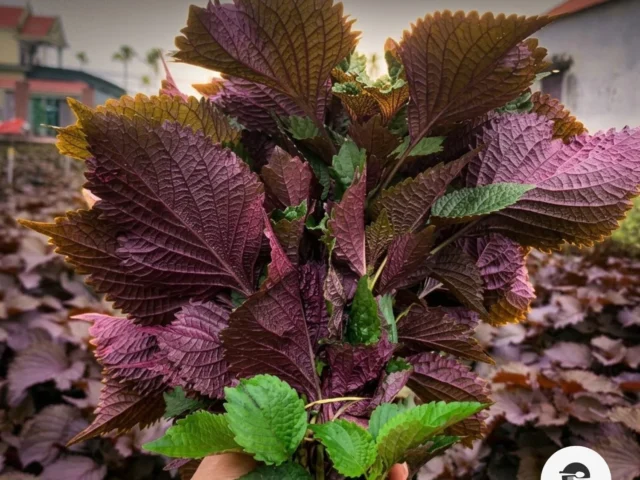
Perilla Leaf Substitute: Why Vietnamese Tía Tô Isn’t the Korean Kind
Most perilla leaf substitute guides are really answering a Korean cooking question — kkaennip, used whole as a…
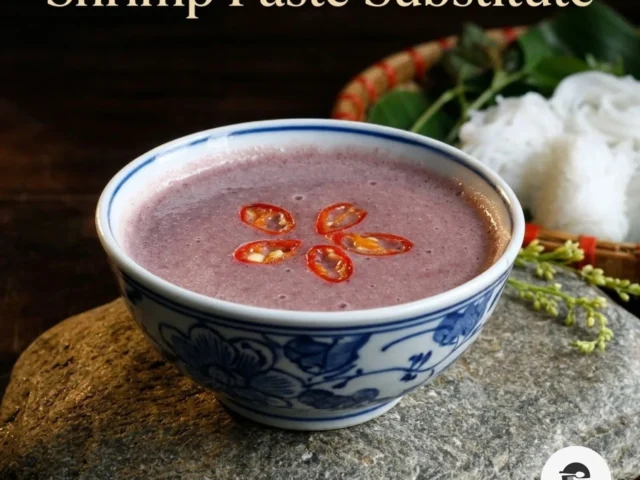
Shrimp Paste Substitute: What Works, and Which Paste a Recipe Actually Means
A shrimp paste substitute is easy enough for most recipes — fish sauce, anchovy paste, or miso all…
Palm Sugar Substitute: What Works, and Why Vietnamese Kitchens Reach for the Real Thing
Palm sugar substitute options are easy to find — light brown sugar, coconut sugar, and jaggery all work…