Table of contents
Hanoi eats on a schedule most visitors don’t expect. Certain dishes only show up before noon, others disappear after lunch, and a handful exist mainly as an evening ritual rather than a quick meal. The food itself tends to be less sweet and less heavily spiced than what you’ll find further south — a difference locals attribute partly to the cooler climate and partly to a longer, more conservative culinary tradition centered on this one city for centuries. Below is what to eat and roughly when, organized the way an actual day in Hanoi tends to unfold rather than as a flat ranked list.
Morning: Pho and the Breakfast Rush
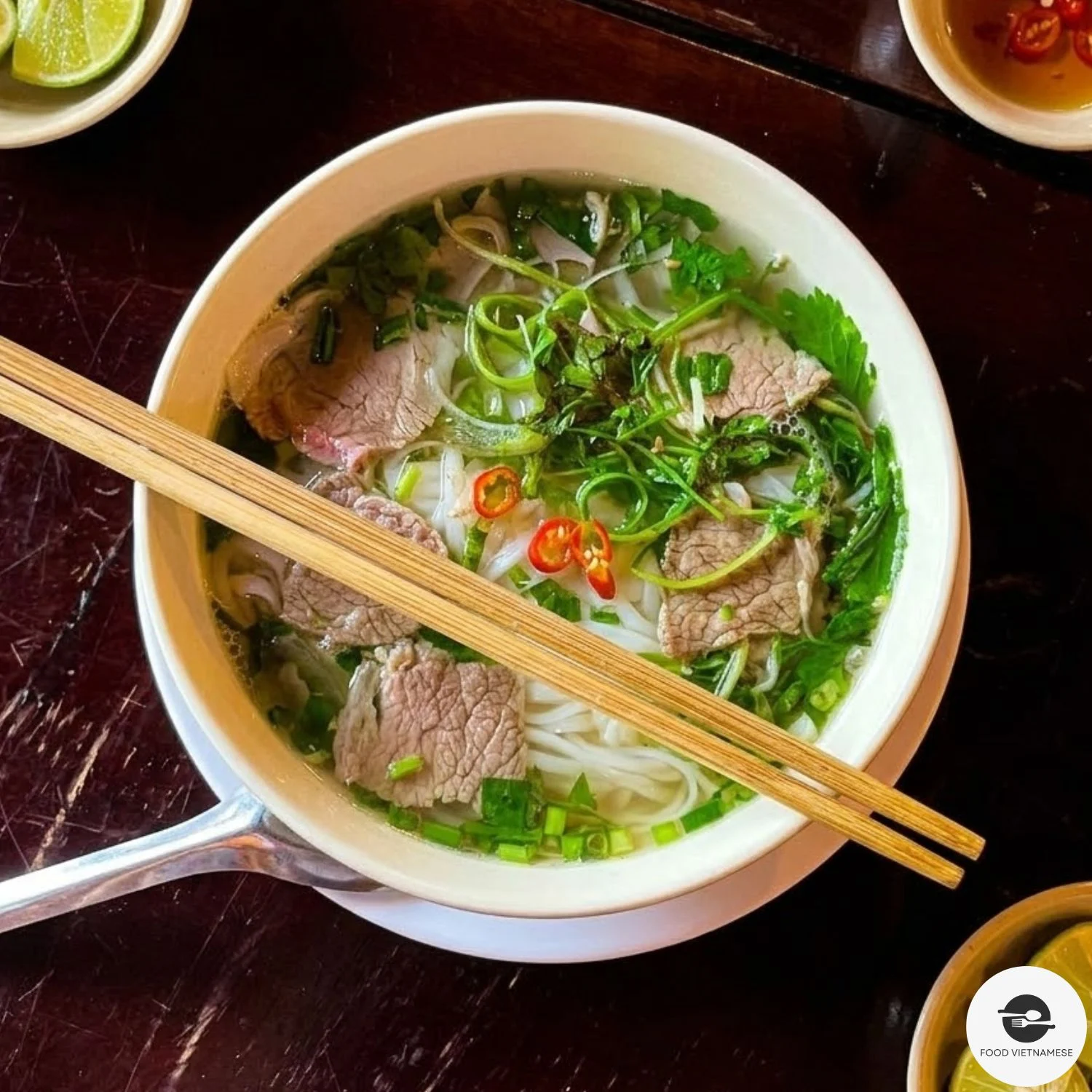
Pho is Hanoi’s default breakfast, not a special-occasion dish — small stalls open as early as 6 a.m. and the busiest ones sell out of broth by mid-morning. The Northern style served here runs clearer and lighter than what most people outside Vietnam picture, with a shorter herb garnish (usually just scallion and a few sprigs of cilantro) rather than the full plate of basil, lime, and bean sprouts common in the South. For the calorie and nutrition breakdown of a standard bowl, see Pho Calories and Nutrition Facts.
Pho’s exact origin is genuinely debated, and the strongest historical claim doesn’t actually belong to Hanoi — it belongs to neighboring Nam Dinh province, where the dish is generally believed to have first taken shape before spreading to the capital. Hanoi is where the thin-noodle, clear-broth style most people now call “Pho Bac” (Northern pho) was refined and popularized. For the fuller history, see Pho Nam Dinh.
Alongside pho, two other breakfast staples are worth knowing even without a dedicated write-up here: banh cuon (thin steamed rice rolls filled with minced pork and wood ear mushroom, dipped in fish sauce) and xoi (sticky rice, often sold from baskets carried on a shoulder pole, topped with anything from fried shallots to shredded chicken). Both are sold almost exclusively in the morning — by early afternoon, most vendors have switched to other items or closed entirely.
Midday: Bun Cha’s Narrow Window
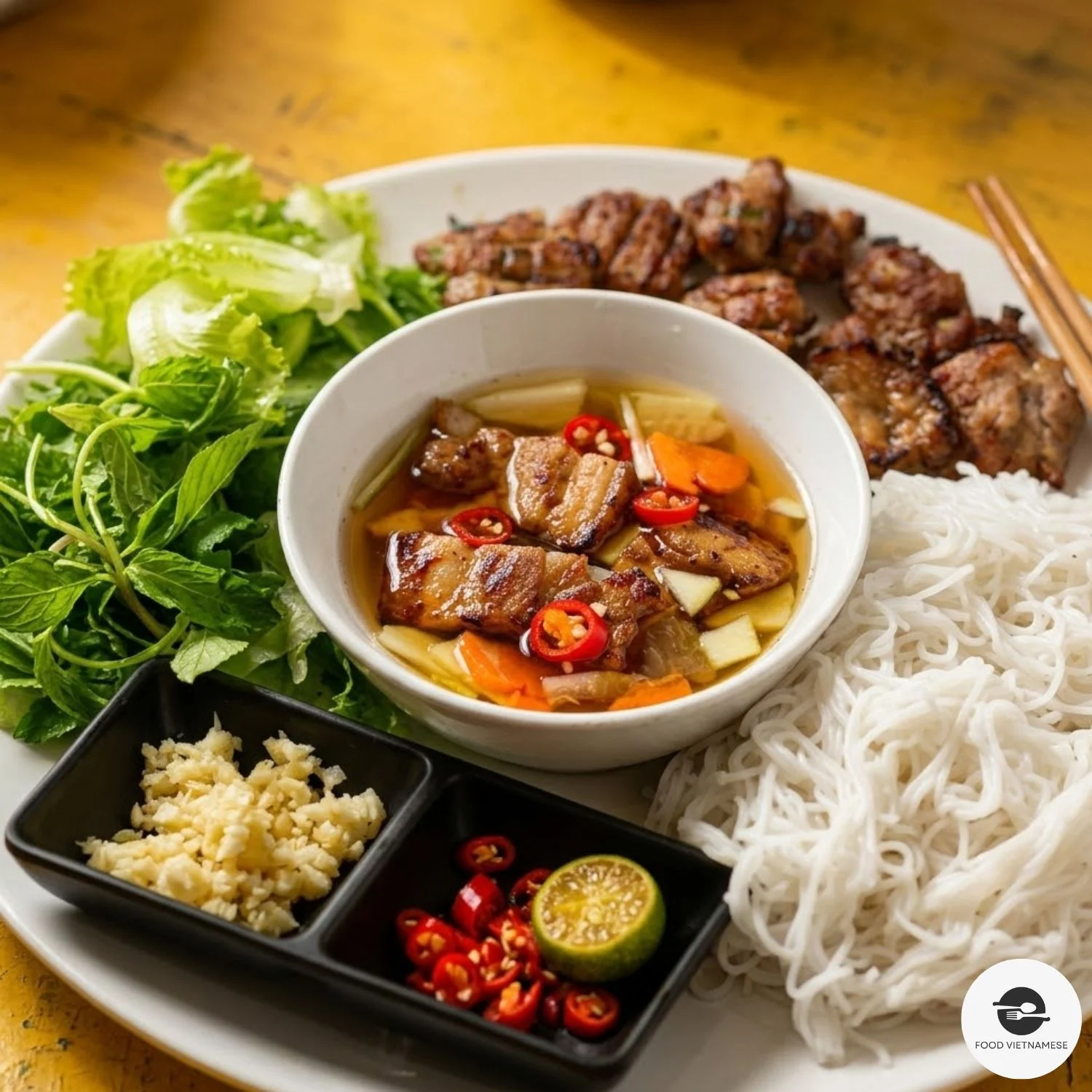
This is the detail that trips up more visitors than any other timing quirk in the city: Bun Cha, Hanoi’s charcoal-grilled pork and cold noodle dish, is traditionally a lunch-only food at the stalls that have been making it for generations. Show up at 7 p.m. looking for the place Obama and Anthony Bourdain ate at in 2016, and you may find it already closed for the day. Plan this one for midday specifically, ideally between 11 a.m. and 1 p.m., when the grills are running and the smoke is thick enough to smell from the street.
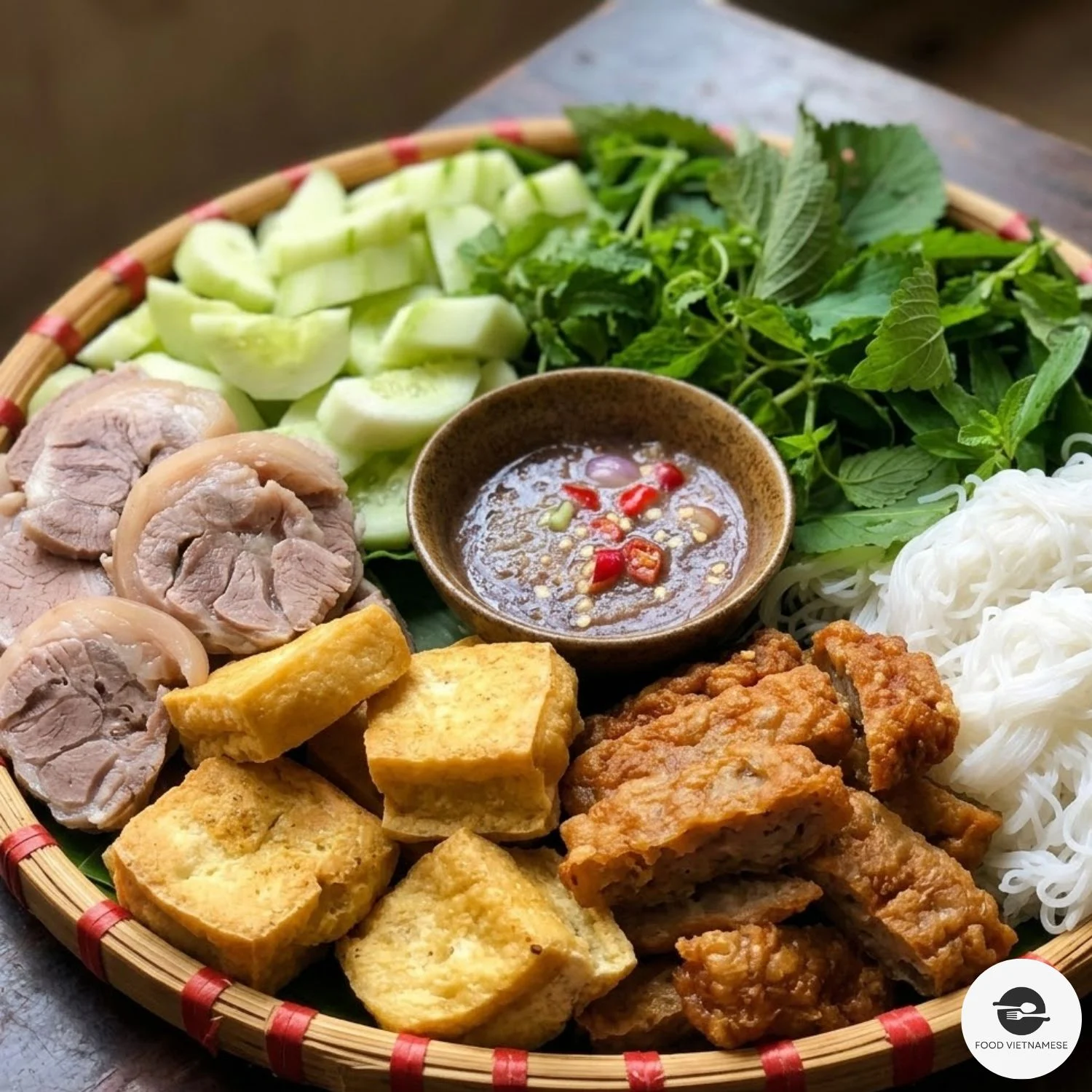
If Bun Cha’s smoky, dip-as-you-go format isn’t what you’re after, Bun Dau Mam Tom is available at most hours and makes for a bolder, funkier lunch — fried tofu and boiled pork dipped in fermented shrimp paste, an acquired taste that’s become something of a rite of passage for visitors willing to try it.
Afternoon: Egg Coffee and the Old Quarter’s Cafe Culture

Ca phe trung, or egg coffee, traces back to a single, specific origin point: Cafe Giang, a small cafe tucked down an alley off Nguyen Huu Huan Street in the Old Quarter. In 1946, a bartender named Nguyen Van Giang — working at what’s now the Sofitel Legend Metropole Hanoi — improvised the drink during a wartime milk shortage, whisking egg yolk with sugar into a thick foam poured over strong Vietnamese coffee. The recipe has stayed largely unchanged since, and the cafe is still family-run today, now by Giang’s son. It’s a genuinely small, easy-to-miss spot despite the reputation, which is part of the draw for visitors tracking down the original.
Afternoon is the natural slot for this — Hanoi’s coffee culture runs on plastic stools and slow sipping rather than takeaway cups, and egg coffee in particular, dense and dessert-like, works better as a mid-afternoon pick-me-up than a rushed morning drink.
Evening: Cha Ca La Vong, a Dish Built Around One Street
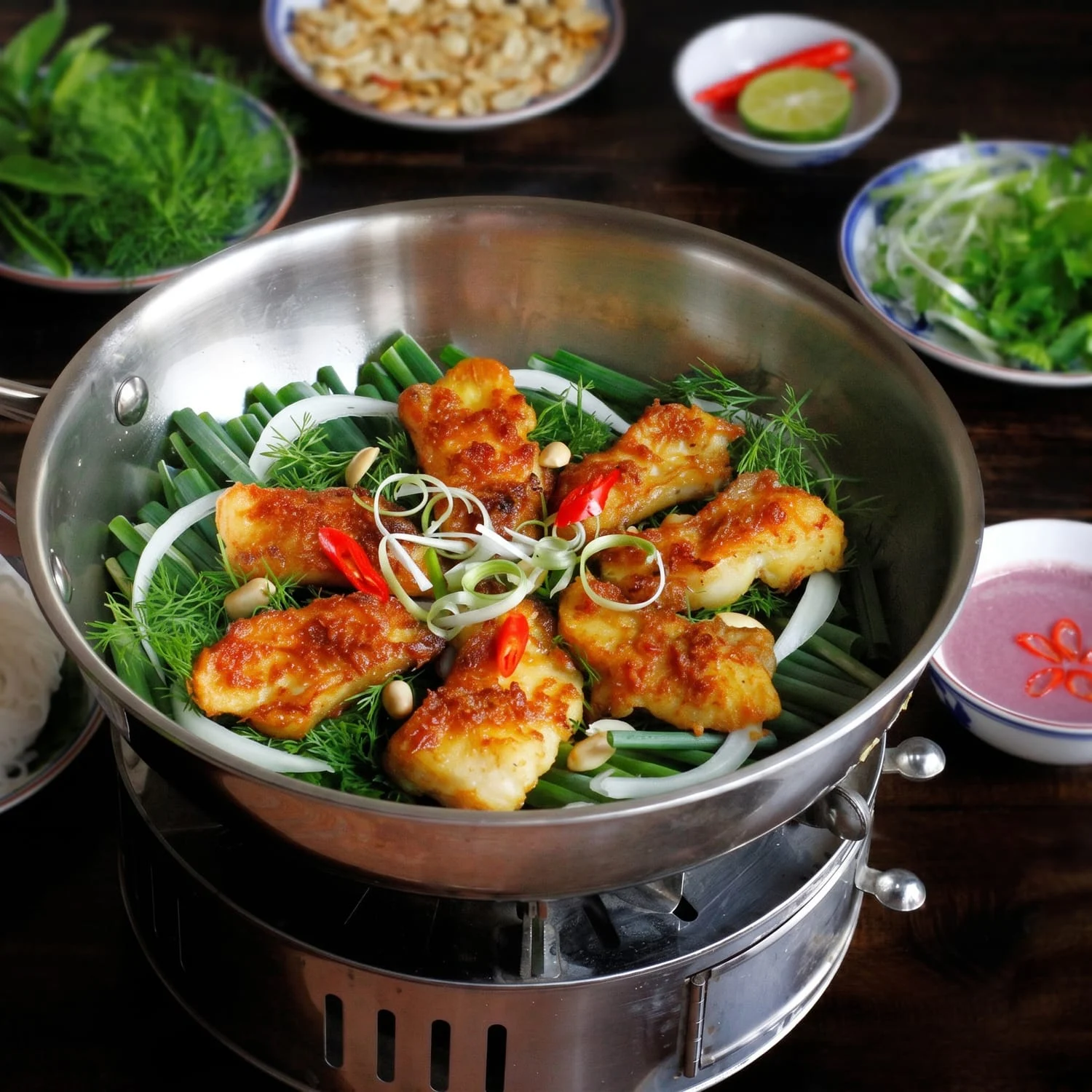
Cha Ca La Vong is less a quick bite than a sit-down evening event — turmeric-marinated fish cooked tableside in a sizzling pan with dill and scallions, mixed into rice noodles and peanuts as you go. The dish is so closely tied to its namesake street that the street itself was renamed Cha Ca Street in its honor, a rare case of a single dish reshaping a city’s map. Because the tableside cooking and multiple courses take longer than a typical meal, it’s better suited to a relaxed dinner than a fast lunch stop.
A Dish for When You Want to Taste the Whole City in One Bowl
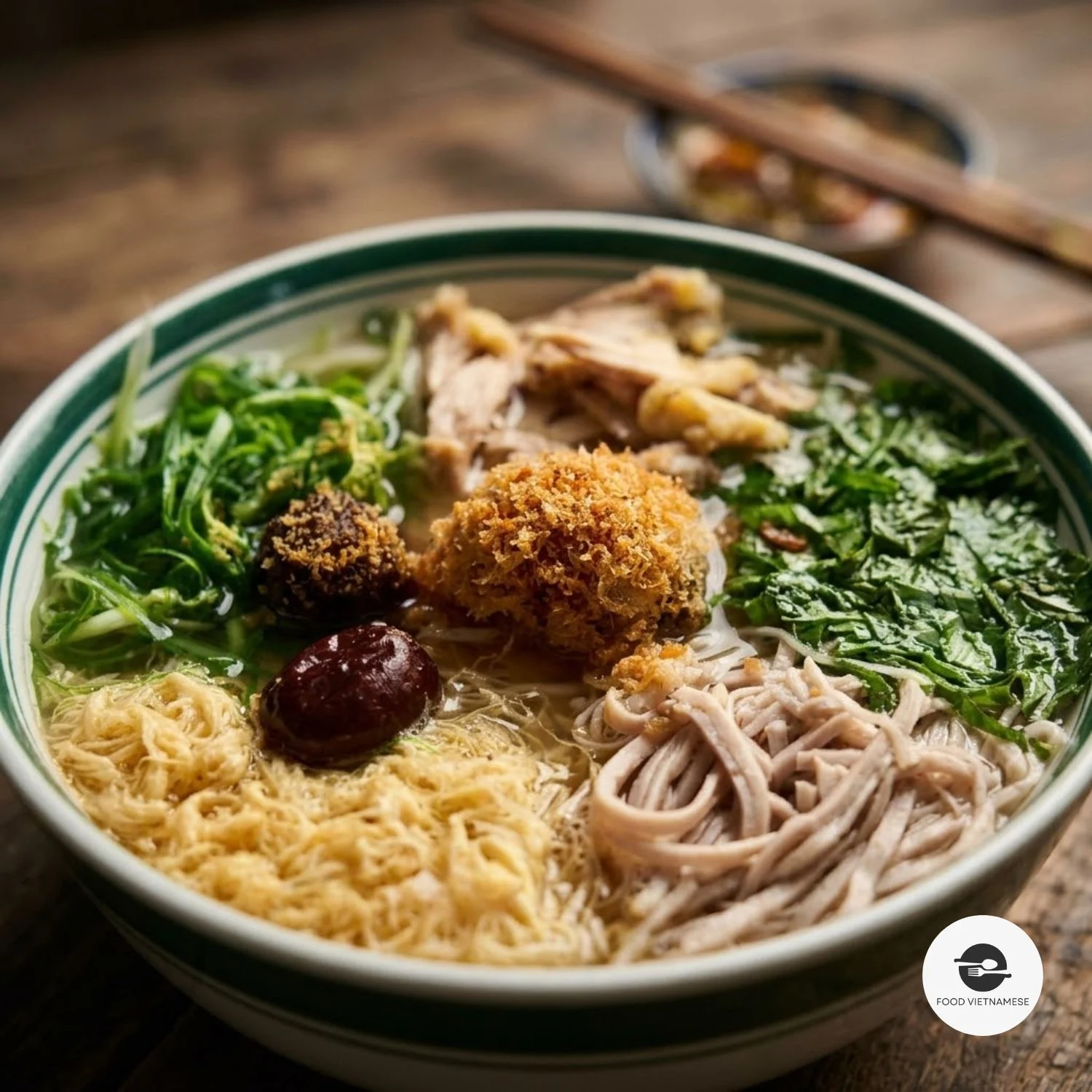
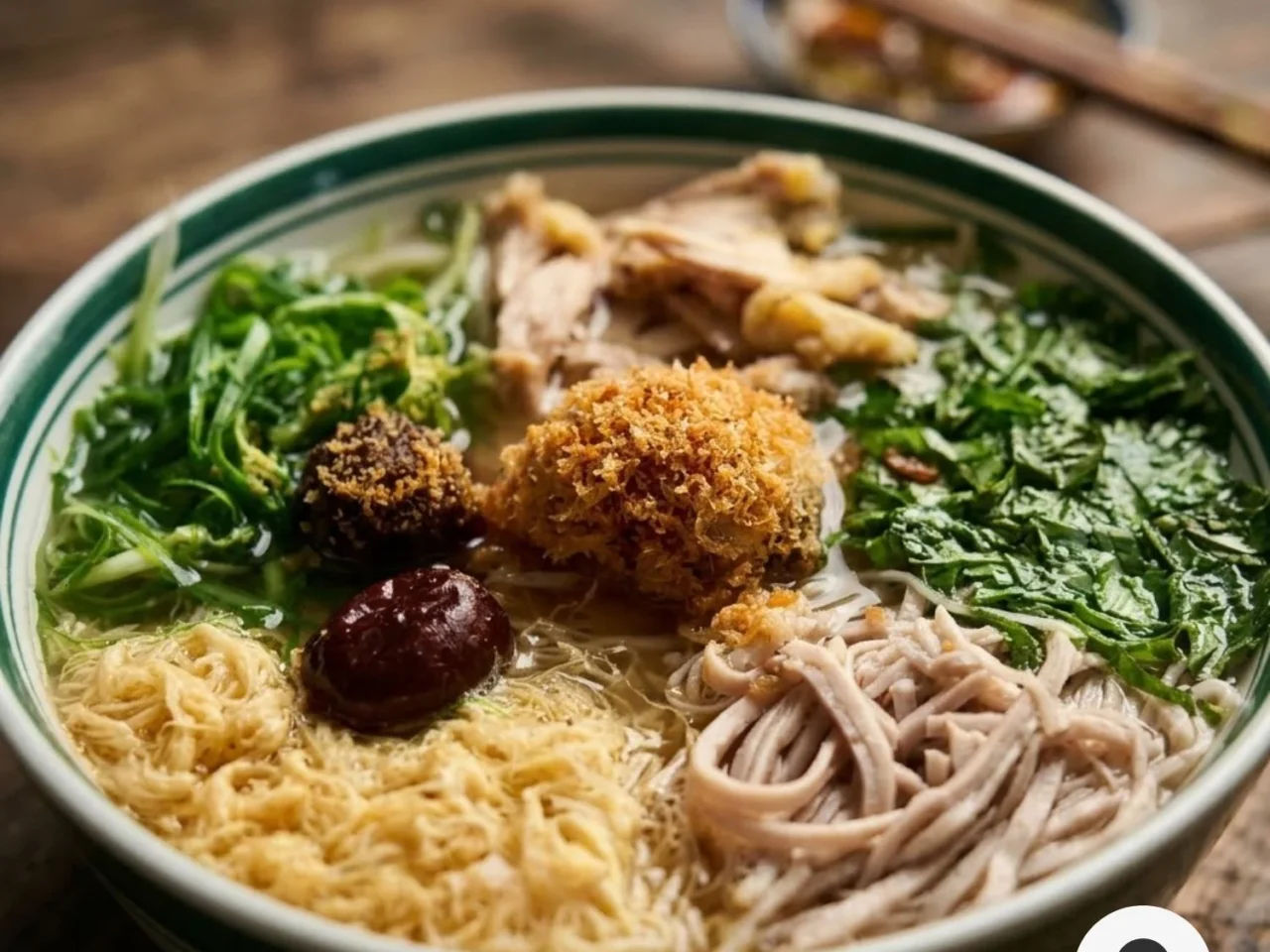
Bun Thang doesn’t keep to a strict schedule the way Bun Cha does, but it has a reputation worth knowing before you order: it’s one of the most labor-intensive noodle soups in Hanoi’s repertoire, traditionally built from shredded chicken, thin egg crepe, Vietnamese ham, dried shrimp, and mushroom, all arranged in careful strips over the noodles rather than tossed together. Fewer stalls make it well than make a decent bowl of pho, so it’s worth asking locally which shop is actually known for it rather than ordering from the first sign you see.
The Time I Got the Schedule Wrong
I once tried to plan an entire day around eating “everything” in Hanoi and ended up standing outside a shuttered Bun Cha stall at 6 p.m., watching the owner stack plastic stools for the night. A woman selling che (sweet dessert soup) next door noticed and laughed — not unkindly — and told me the grill had gone cold hours ago. “Ăn đúng giờ mới ngon” — eat at the right time, or it’s not really the dish. I came back the next day at noon instead, and the difference wasn’t subtle: the smoke, the crowd, the whole rhythm of the place only exists in that window. Hanoi’s food isn’t hard to find. It’s just easy to show up for at the wrong hour if nobody tells you the schedule first.
Frequently Asked Questions
How many days do you need to eat well in Hanoi?
Two to three days covers the essentials. Bun Cha specifically is a lunch dish at most traditional stalls, so plan at least one midday free for it rather than assuming you can order it at dinner.
Is Hanoi food spicier than food in southern Vietnam?
No, generally the opposite. Northern Vietnamese cooking leans less sweet and less spicy, with chili usually served on the side rather than built into the dish.
Where in Hanoi has the best concentration of food to try?
The Old Quarter (Hoan Kiem district) — Cha Ca La Vong’s namesake street, Cafe Giang for egg coffee, and numerous Bun Cha and Bun Dau Mam Tom stalls sit within a compact walking area.
Are there vegetarian options among Hanoi’s classic dishes?
Some adapt more easily than others. Pho has widely available vegetarian versions (Pho Chay). Bun Dau Mam Tom can be ordered tofu-only. Bun Cha and Cha Ca La Vong are harder to adapt since the grilled pork and turmeric fish are the point of the dish.

Related articles
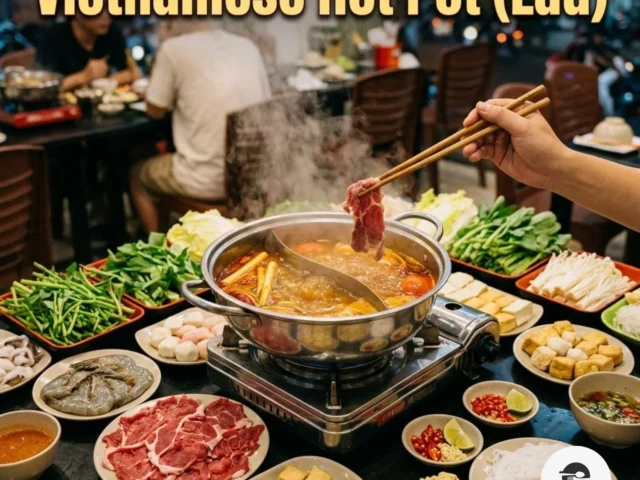
Vietnamese Hot Pot (Lẩu): Types, How to Eat, Dipping Sauces
Vietnamese hot pot (lẩu) is a pot of seasoned broth kept simmering at the table, where diners cook…
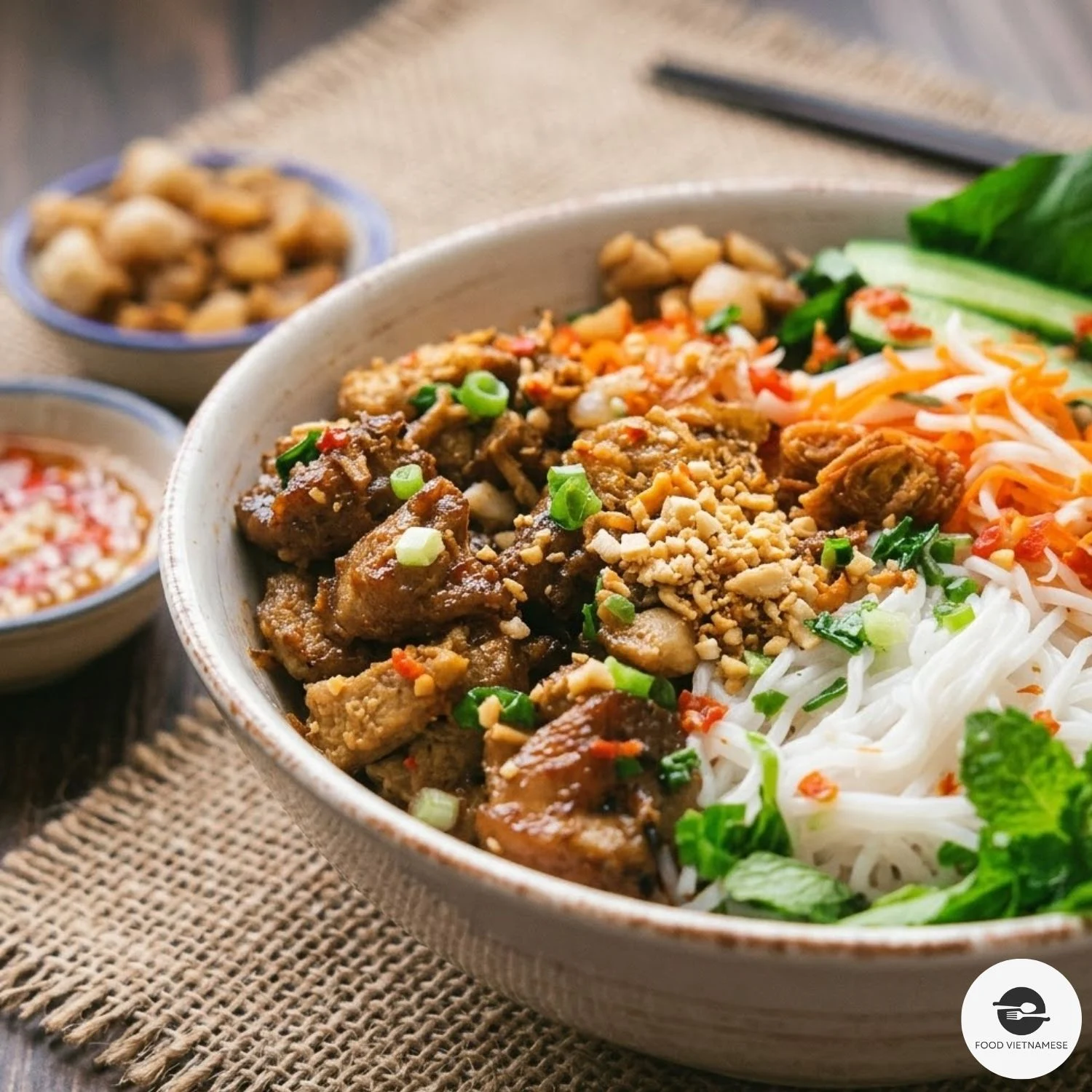
Bun Thit Nuong: Vietnam’s Grilled Pork Noodle Salad, Not a Soup
Bun Thit Nuong is a Vietnamese grilled pork noodle salad — cold rice vermicelli piled with lemongrass-marinated grilled…
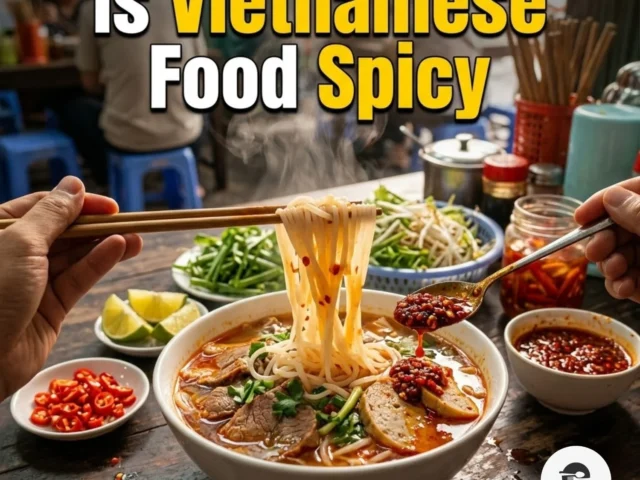
Is Vietnamese Food Spicy? Only If You Ask It to Be
Is Vietnamese food spicy? Not by default — most of the country’s best-known dishes, from phở to bánh…