Table of contents
Short answer: Mild by default, spicy on request — chili is almost always a table addition, not a cooking ingredient
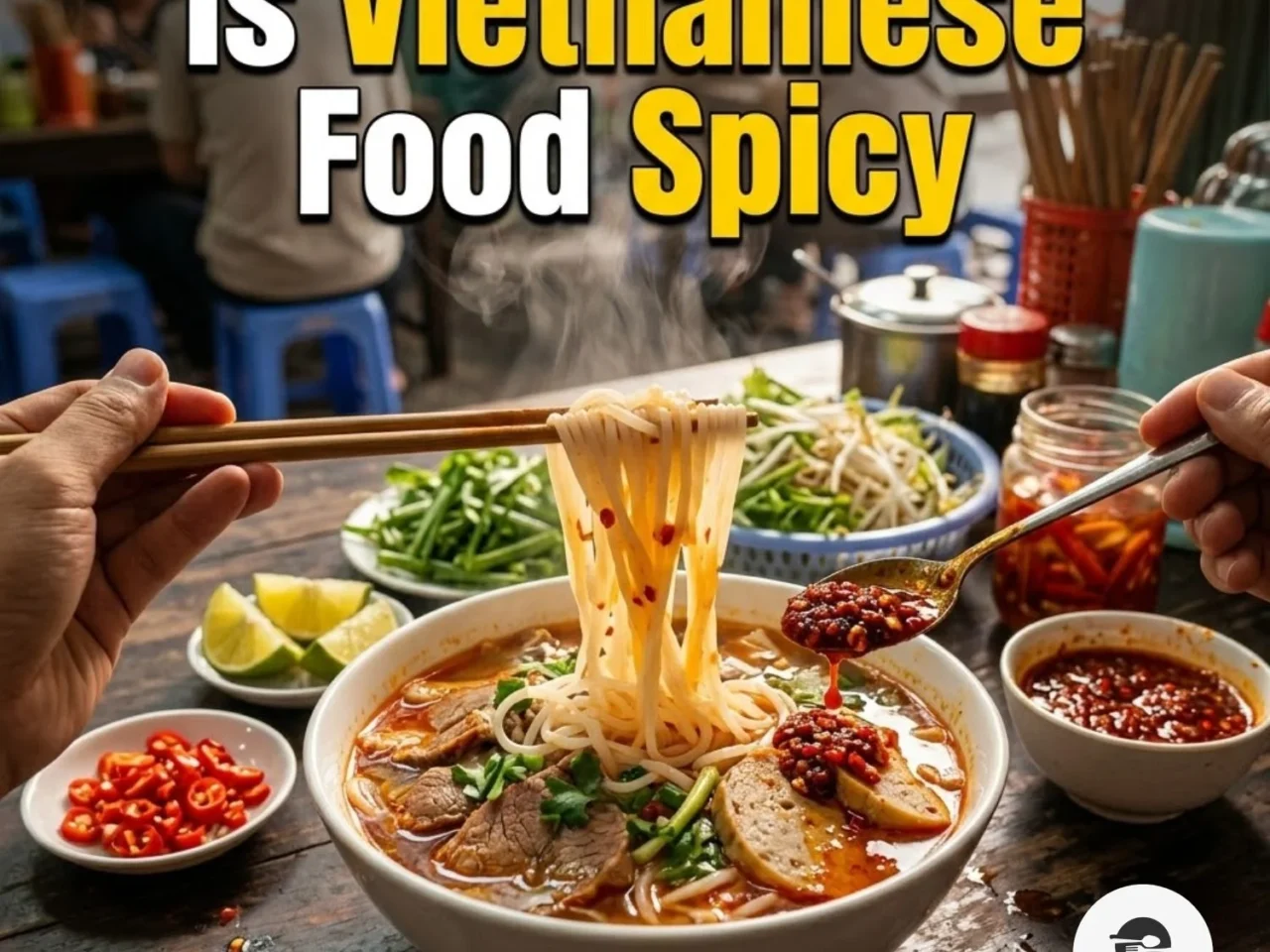
The exception: Bún bò Huế has chili oil cooked directly into the broth, not just added at the table
Spiciest region: Central Vietnam, especially Huế; Northern food is generally the mildest
Main chili tools: Ớt hiểm (fresh bird’s eye chili, 50,000–100,000 Scoville), sa tế (chili-lemongrass oil), tương ớt (mild, sweet chili sauce)
Useful phrases: “Không cay” (not spicy) and “cay nhiều” (very spicy) are understood everywhere
Good news for sensitive palates: Fresh chili on the side can always be left untouched; it’s rarely blended into the dish itself
Most guides answer this with a flat “yes” or “no” and move on. The real answer depends on which region’s food is on the plate, and on the difference between the dish as it’s served and the dish as it could be once the chili on the side gets involved.
The Short Answer: Heat Is Optional, Not Built In
Vietnamese cooking leans on lemongrass, ginger, fish sauce, fresh herbs, and lime for flavor first, with chili treated as a separate, adjustable layer rather than a base ingredient. A bowl of phở arrives with sliced chili and chili sauce on a side plate, never stirred into the broth by the kitchen. Bún chả, bánh mì, and cơm tấm follow the same pattern — mild as served, as hot as you want once you get involved. This is the detail most “is Vietnamese food spicy” guides skip past on their way to a one-word answer: the real question isn’t whether the cuisine is spicy, it’s whether you added anything yet.
The One Dish Where Heat Is Actually Cooked In
Bún bò Huế breaks the pattern most other guides apply across the board. Unlike phở, its chili oil, usually sa tế, is cooked into the broth itself alongside lemongrass and fermented shrimp paste, which means the heat is already part of the dish before it reaches the table, not an optional add-on. It’s the clearest exception to “Vietnamese food isn’t spicy by default,” and worth knowing before ordering it expecting something as gentle as phở’s cousin dish would suggest from the name alone.
The Regional Pattern: Mild North, Moderate South, Spicy Center
Heat level in Vietnam tracks geography more reliably than any single dish does. Northern cooking, centered on Hanoi, is generally considered the most restrained with chili, favoring subtler, more balanced flavors. Southern food, shaped by a warmer climate and more tropical produce, leans sweeter and uses chili more freely but rarely aggressively. Central Vietnam, and Huế specifically, is where the reputation for serious heat comes from, and it isn’t a coincidence or a tourist exaggeration. A few explanations get offered locally: one is that the region’s Kinh settlers picked up chili-heavy cooking habits from the earlier Cham population as a way of coping with a harsh, humid climate; another points to the historical poverty of Central Vietnam’s soil, where chili was used to make modest, repetitive ingredients taste more exciting. Neither is confirmed as the single cause, but both point to the same lived reality: food gets noticeably hotter the closer you get to Huế.
The Chili Toolkit: What’s Actually Making It Hot
A handful of specific condiments do almost all the work, and they’re not interchangeable. Ớt hiểm, the small fresh bird’s eye chili sliced into nước chấm and other dipping sauces, measures roughly 50,000 to 100,000 Scoville units — well above a jalapeño and not far under a habanero — but it’s used sparingly and always visibly, so it’s easy to spot and avoid. Sa tế, the chili-lemongrass oil behind bún bò Huế and many hot pot broths, delivers a heavier, oilier heat that clings rather than just stings. Tương ớt, the bottled red sauce served alongside spring rolls and grilled meats, is closer to a sweet condiment than a heat delivery system, similar in spirit to ketchup with a kick. Muối ớt xanh, a green chili, salt, and lime salt-dip that originated in Nha Trang, is built specifically for seafood and shellfish and varies enormously in heat depending on who’s mixing it.
| Dish or condiment | Spicy by default? | Note |
|---|---|---|
| Phở, bánh mì, cơm tấm | No | Chili served separately, never cooked in |
| Bún bò Huế | Yes | Chili oil cooked into the broth itself |
| Ớt hiểm (fresh chili) | Very hot | 50,000–100,000 Scoville, used sparingly |
| Sa tế (chili-lemongrass oil) | Hot, heavier | Common in Huế dishes and hot pot |
| Tương ớt (bottled sauce) | Mild-moderate | Closer to sweet than fiery |
| Muối ớt xanh | Varies | Nha Trang seafood salt-dip |
How to Order If You Can’t Handle It, or Definitely Can
Two short phrases cover almost every situation. “Không cay” (not spicy) works at any street stall or restaurant and is understood immediately, even without a shared language beyond that. Going the other way, “cay nhiều” (very spicy) or simply pointing at the chili and nodding gets the kitchen’s attention just as fast. Since the default in most of the country is already mild, the safer approach for a sensitive palate is doing nothing at all — the chili plate sits there, untouched, and the dish underneath stays exactly as gentle as it was designed to be. This lines up with the wider pattern of Vietnamese dining customs, where adjusting a dish to personal taste at the table is expected, not unusual.
A tourist at a seafood stall in Nha Trang once dipped a whole grilled squid straight into a full spoon of muối ớt xanh without asking how strong it was, assuming a salt-based dip couldn’t be that serious. He spent the next two minutes fanning his mouth with a menu while the vendor, entirely unbothered, refilled his water glass without being asked and mentioned that the regulars usually just dip the tip first.
Kelly Thuy — field notes, Nha Trang
Frequently Asked Questions
Not by default. Most dishes, including phở and bánh mì, are mild as served, with chili offered separately so each person controls the heat themselves. Central Vietnamese food, especially from Huế, is the main exception.
Bún bò Huế is generally considered the spiciest well-known Vietnamese dish, since its chili oil is cooked directly into the broth rather than added at the table like most other dishes.
Yes. Saying “không cay” (not spicy) is understood at nearly any restaurant or street stall. Since chili is usually served on the side anyway, simply leaving it untouched works just as well.
Northern Vietnam, centered on Hanoi, is generally considered the mildest region, favoring subtler, more balanced flavors over heat. Central Vietnam, particularly Huế, is the spiciest.

Related articles
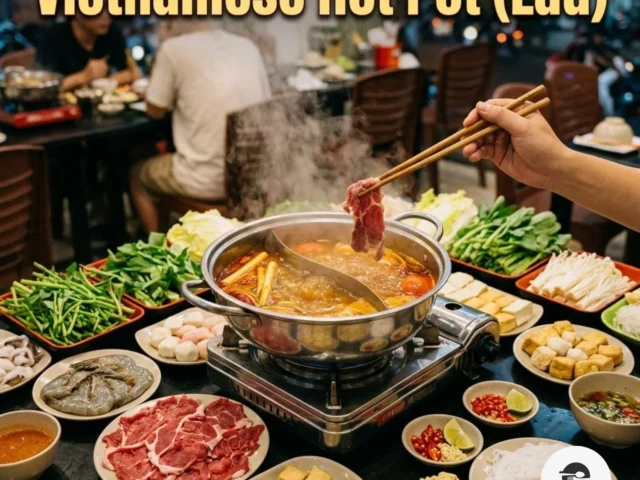
Vietnamese Hot Pot (Lẩu): Types, How to Eat, Dipping Sauces
Vietnamese hot pot (lẩu) is a pot of seasoned broth kept simmering at the table, where diners cook…
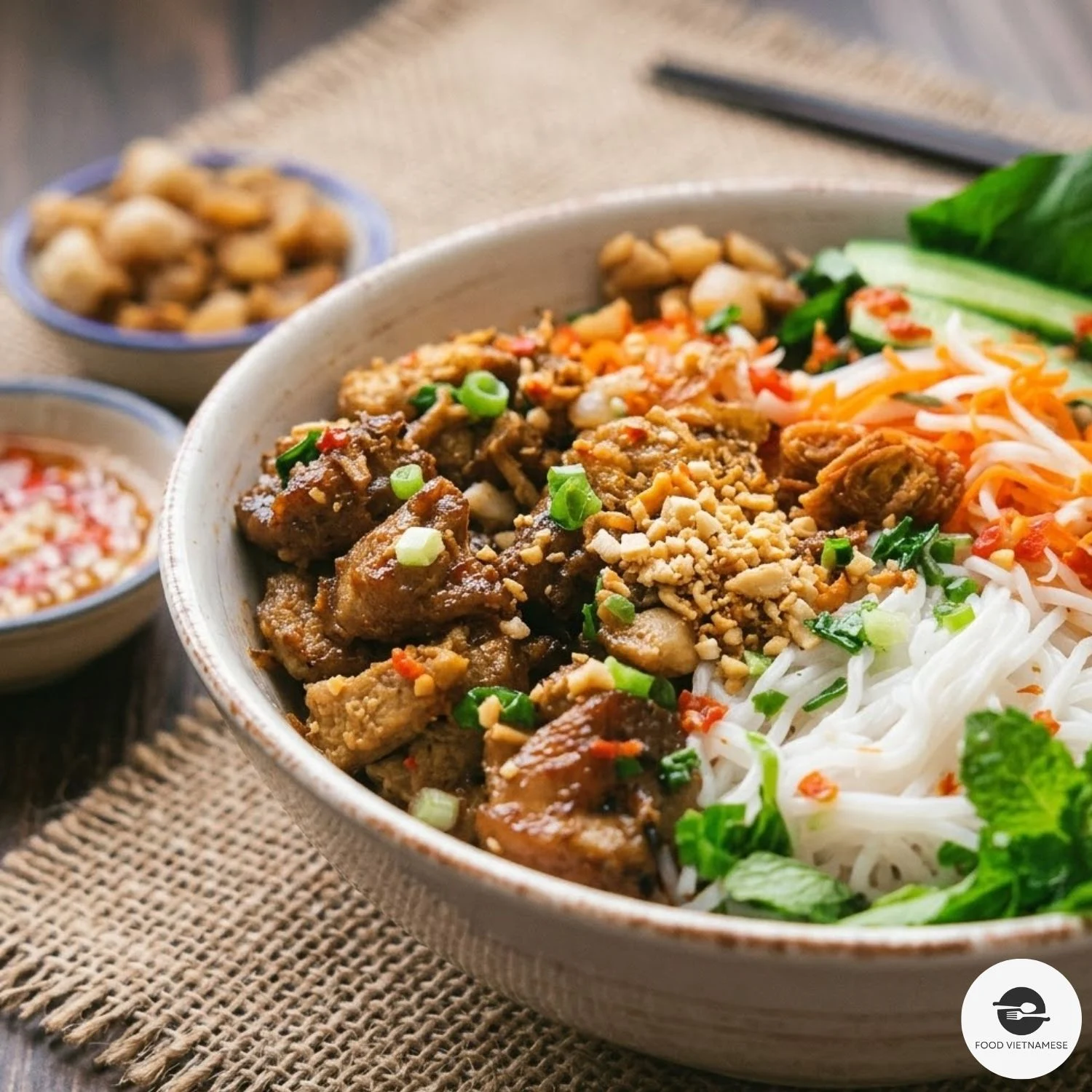
Bun Thit Nuong: Vietnam’s Grilled Pork Noodle Salad, Not a Soup
Bun Thit Nuong is a Vietnamese grilled pork noodle salad — cold rice vermicelli piled with lemongrass-marinated grilled…
Is Vietnamese Food Halal? What the Cham Community Knows
Is Vietnamese food halal? Not by default — pork shows up across the cuisine, from bánh mì pate…