Table of contents
Calories: ~110–130 kcal
Carbohydrate: ~25–30 g
Protein: ~2–4 g
Fat: <1 g
Fiber: ~1 g
Gluten-free: Yes (pure rice vermicelli)
Dry-to-cooked ratio: Roughly 1g dry absorbs 2.5–3g of water when cooked
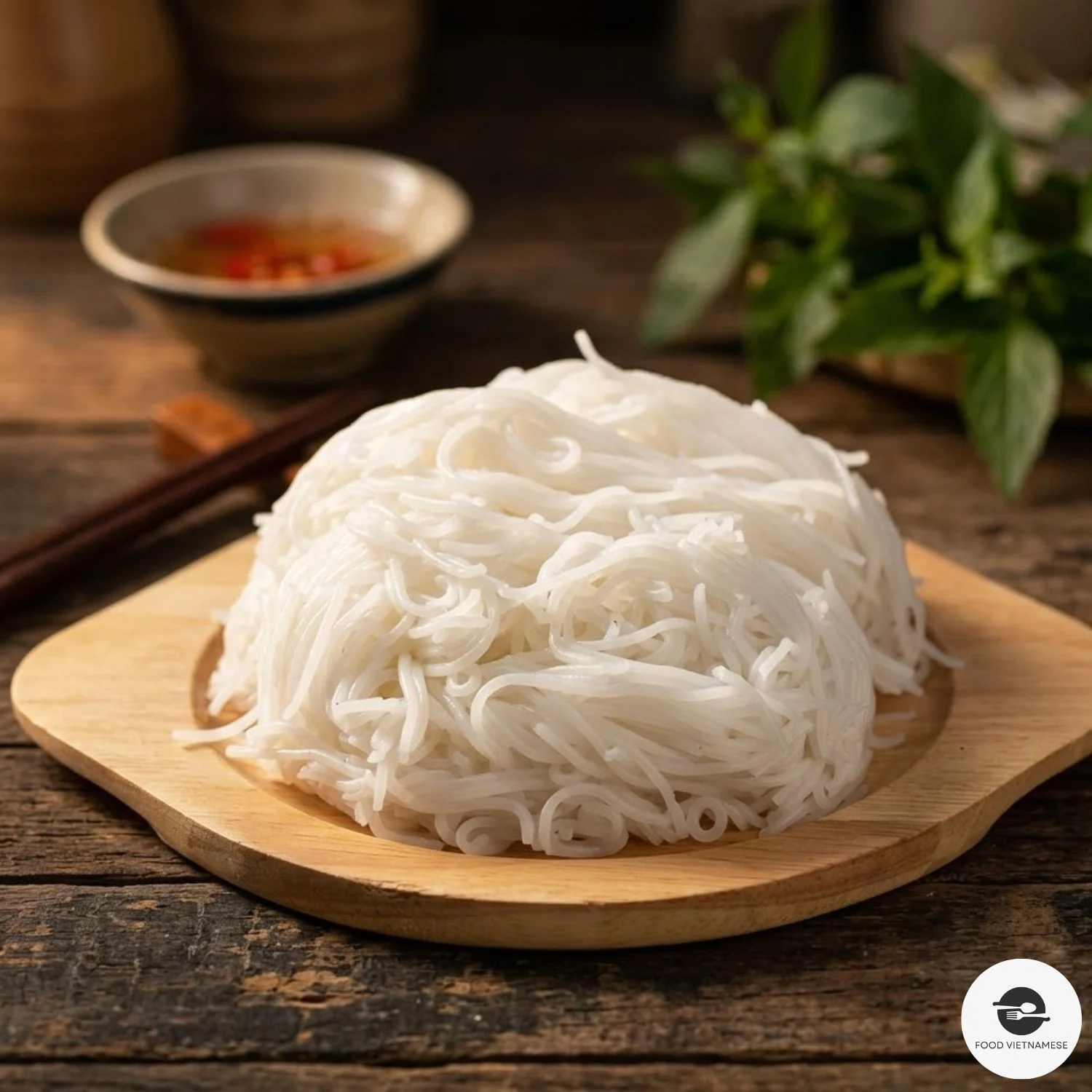
Rice vermicelli shows up under a lot of different names — bún in Vietnamese cooking, bee hoon or mai fun elsewhere in Asia — and it has a reputation as the “light” noodle choice, especially compared to a full bowl of rice. That reputation is mostly about texture and how it’s served, not about the actual calorie or carbohydrate count. This breaks down the real numbers, compares them directly to white rice, and explains why the perception doesn’t match the nutrition label.
Rice Vermicelli Nutrition Facts
| Nutrient | Per 100g cooked | Per typical bowl (~200g cooked) |
|---|---|---|
| Calories | 110–130 kcal | 220–260 kcal |
| Carbohydrate | 25–30 g | 50–60 g |
| Protein | 2–4 g | 4–8 g |
| Fat | <1 g | <1 g |
| Fiber | ~1 g | ~2 g |
These figures are for the noodles alone, boiled plain with nothing added — the calorie count for a full bowl of a dish like bún chả or bún thịt nướng depends heavily on the protein, broth, and dressing added on top of this base.
Vermicelli vs Rice: The Carbs Comparison
| Food (100g cooked) | Calories | Carbs | Protein | Fiber |
|---|---|---|---|---|
| Rice vermicelli | 110–130 kcal | 25–30 g | 2–4 g | ~1 g |
| White rice | ~130 kcal | ~28 g | ~2.7 g | ~0.4 g |
Gram for gram, the two are close enough to be nutritionally interchangeable — both are made from milled rice, both are almost entirely carbohydrate by calorie, and both are naturally gluten-free and low in fat. Vermicelli holds a very slight edge in fiber, likely due to how the dried, extruded noodle retains marginally more of the rice’s outer structure compared to fully milled white rice, though the difference is small enough that it doesn’t meaningfully change either food’s dietary role.
Why Vermicelli Feels Lighter Than Rice (Even Though It Isn’t)
The “noodles are lighter” impression comes from how the two are typically served and eaten, not from the ingredient itself. A bowl of bún is usually loosely packed, thin strands with a lot of visible air between them, piled with fresh herbs, lettuce, bean sprouts, and pickled vegetables that bulk up the bowl’s volume without adding many calories. A bowl of rice, by contrast, is dense and tightly packed, making the same weight of food look and feel like less overall volume on the plate. The eating experience differs too — vermicelli is often eaten cold or room-temperature with a light dressing, while rice is more commonly paired with heavier, hot sauces and gravies that add calories rice itself doesn’t have.
Not All “Vermicelli” Is Rice Vermicelli
The word “vermicelli” gets used loosely across different cuisines, and it’s worth being precise since the nutrition changes depending on which one a recipe means. Vietnamese bún is rice vermicelli, made purely from rice flour and water. A different noodle, miến (glass noodles or cellophane noodles), is sometimes also called “vermicelli” in English but is made from mung bean starch instead of rice — it has a similar calorie count per 100g cooked but noticeably less protein and a distinctly chewier, more translucent texture. If a recipe or nutrition label says “vermicelli” without specifying rice or mung bean, it’s worth checking which one is meant before assuming the numbers above apply directly.
Vermicelli vs Pho Noodles: Not the Same Noodle
Worth clarifying since the two are easy to confuse: bún (vermicelli) is thin, round strands, while phở uses bánh phở — flat, wider rice noodles. Both are made from rice flour and water, and their nutrition profiles land close to each other for the same reason vermicelli and white rice do — same base ingredient, different shape. For the full breakdown of the noodle used in a bowl of phở, see the pho calories and nutrition guide.
How Much Vermicelli Is Actually In a Typical Bowl
A standard serving in a Vietnamese noodle bowl runs roughly 150 to 200 grams cooked, which translates to about 165 to 260 calories from the noodles alone, before counting protein, herbs, or sauce. Dishes like bún riêu use a similar noodle portion as a base, with the total calorie count of the finished bowl driven mostly by the broth, crab, and toppings layered on top rather than the noodles themselves. Vermicelli also appears in smaller quantities tucked inside dishes like gỏi cuốn (fresh spring rolls), where a modest handful per roll adds only a small fraction of the roll’s total calories.
I used to watch customers at a bún chả stall near Bình Thạnh order the noodle bowl over the rice plate specifically because they thought they were saving calories, and honestly, I believed the same thing for years myself. It wasn’t until I started weighing ingredients for nutrition write-ups that I realized how close the numbers actually sit — the real difference on that plate was never the noodles. It was always the amount of fried pork and how heavy-handed the dressing was.
Kelly Thuy — kitchen notes, Bình Thạnh, Saigon
Frequently Asked Questions
Cooked rice vermicelli contains roughly 110–130 calories per 100 grams. A typical bowl serving of 150–200 grams cooked runs approximately 165–260 calories from the noodles alone.
Not meaningfully — gram for gram, cooked rice vermicelli and cooked white rice have very similar calories, carbohydrates, and protein content, since both are made from milled rice. Neither offers a significant nutritional advantage over the other.
Yes, like white rice, it’s roughly 90% carbohydrate by calorie, with about 25–30 grams of carbs per 100 grams cooked. It’s not suitable for a strict low-carb or keto diet.
Pure rice vermicelli made only from rice flour and water is naturally gluten-free, making it a common substitute for wheat noodles. Always check the label, as some brands blend in other starches.

Related articles
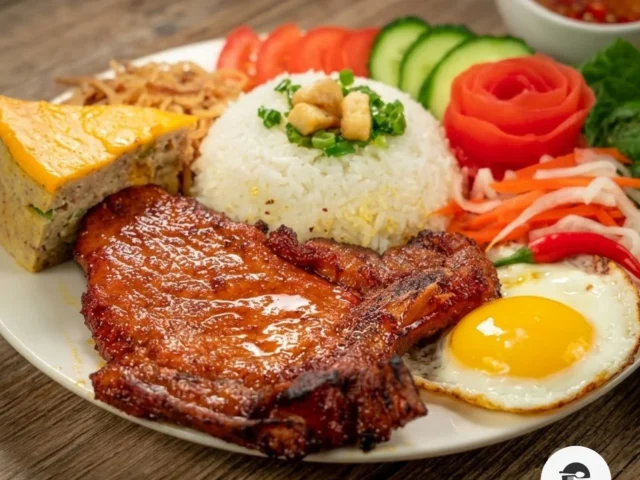
Com Tam Calories: The Rice Isn’t the Problem, the Toppings Are
Com tam calories range from about 500 to 800 per plate, and almost none of that swing comes…
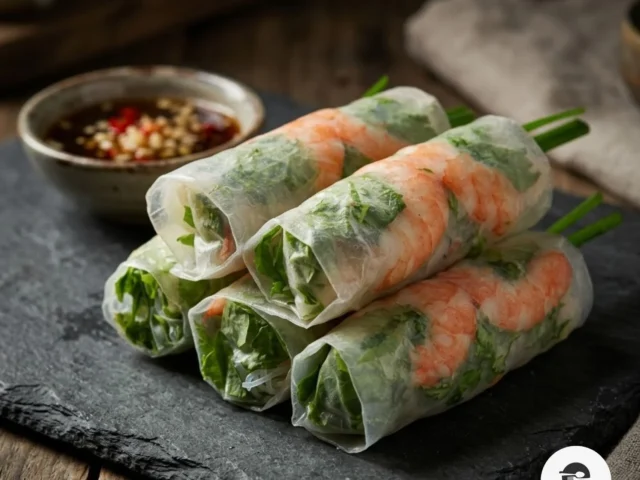
Goi Cuon Calories: The Roll Is Light — the Peanut Sauce Isn’t
Goi cuon calories run surprisingly low for the roll itself — a standard shrimp-and-pork gỏi cuốn comes in…
Banh Xeo Calories: One Pancake, Two Very Different Numbers
Banh xeo calories run about 140–155 per 100 grams across most nutrition databases, but the number that actually…